
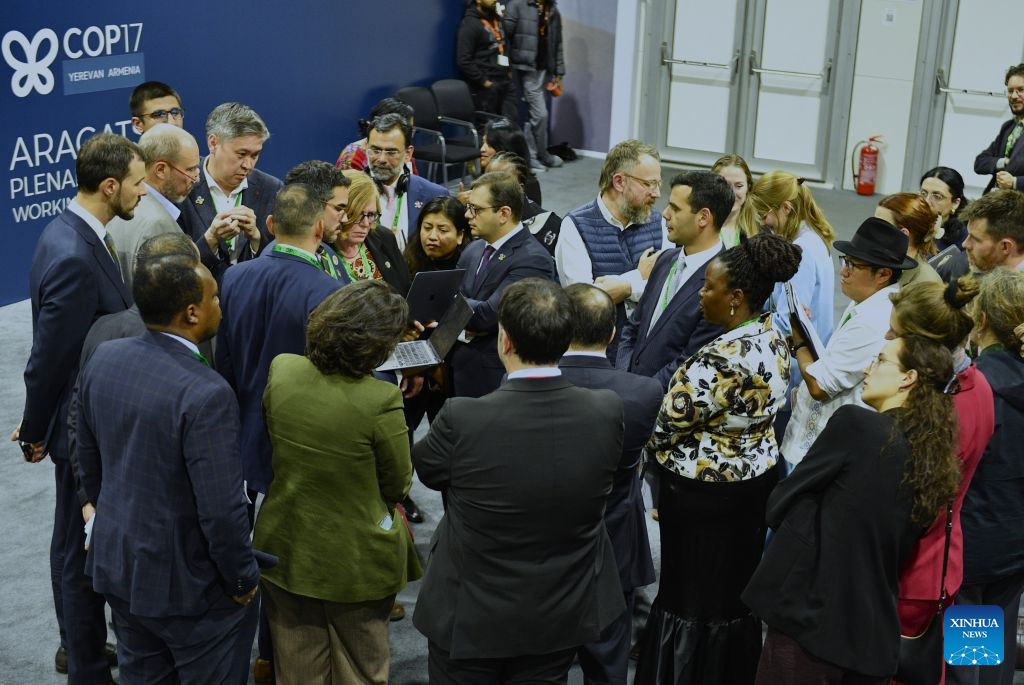
Governments have been urged to overhaul the United Nations biodiversity summit process following another round of negotiations that ended without sufficient progress towards meeting global targets to halt the destruction of nature.
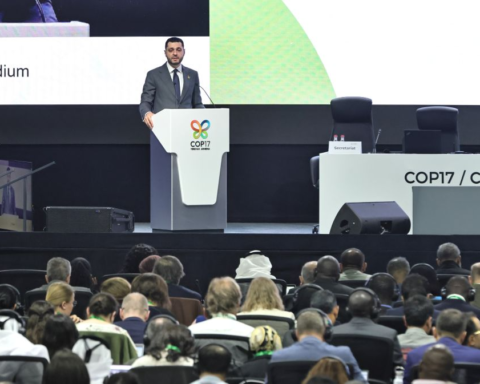
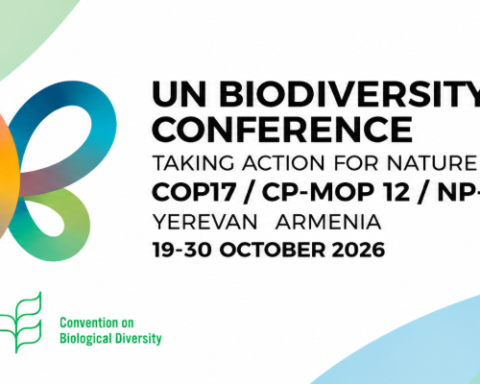
The call followed the conclusion of the 17th Conference of Parties to the Convention on Biological Diversity (COP17) in Yerevan, Armenia, on Saturday, amid concerns that countries were on course to miss almost all the 23 biodiversity targets agreed in 2022.
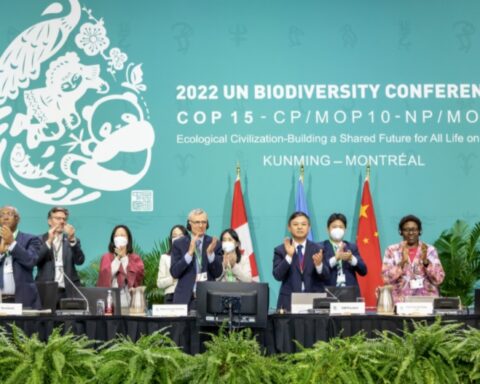
The targets, under the Kunming-Montreal Global Biodiversity Framework, include protecting at least 30 per cent of the world’s land and oceans by 2030, restoring 30 per cent of degraded ecosystems, and mobilising $500bn annually to eliminate or reform environmentally harmful subsidies.
Despite renewed commitments by governments to accelerate implementation, conservation advocates and some participating officials said the consensus-based negotiation process was failing to translate international promises into meaningful action.
The concerns also featured prominently in discussions at the summit, where delegates called for changes to the way biodiversity negotiations are conducted to strengthen accountability and ensure that governments deliver on their commitments.
The negotiations, which extended overnight from Friday into Saturday, ended with countries agreeing to intensify efforts to meet existing biodiversity commitments and reaffirming the ambition to mobilise $30bn annually in international biodiversity finance by 2030.
However, disagreements over funding responsibilities between developed and developing countries remained unresolved.
Also unresolved was the proposed mechanism to mobilise financial contributions from companies benefiting commercially from digital sequence information derived from genetic resources.
The proposed fund was expected to generate about £1bn annually for biodiversity conservation, including support for Indigenous Peoples and local communities, but had attracted only slightly more than $10,000.
Nigeria’s delegation also raised concerns about the financing gap confronting developing countries and the need for stronger international support to implement conservation commitments.
The Minister of Environment, Balarabe Lawal, called on developed countries to fulfil their commitment to mobilise at least $20bn annually by 2025 and $30bn by 2030 to support biodiversity conservation in developing countries.
Speaking during Nigeria’s national statement at the high-level segment of the conference, Lawal said the country remained committed to halting and reversing biodiversity loss by 2030.
He said Nigeria had completed its revised National Biodiversity Strategy and Action Plan for 2025 to 2030, establishing 23 national targets aligned with the global framework.
The minister also disclosed that Nigeria had projected an implementation budget of about $474m over six years, underscoring the need for international financing, private-sector investment, and domestic resource mobilisation.
Similarly, Nigeria’s focal point to the Convention on Biological Diversity, Sikeade Egbuwalo, called for biodiversity to receive the same level of political and financial attention as climate change.
Speaking during a technical-level dialogue between finance and environment ministries at COP17, Egbuwalo said biodiversity conservation should not remain the exclusive responsibility of environment ministries.
“Nature is not a subset of climate change. Biodiversity has its own intrinsic, ecological, and economic value. We should not have to justify investments in biodiversity solely on the basis of their contribution to climate mitigation or adaptation,” Egbuwalo said.
Egbuwalo added that finance ministries must integrate biodiversity considerations into national budgets, fiscal policies, investment decisions, and economic development planning.
Also commenting on the negotiations, the Director-General of the Nigerian Conservation Foundation, Dr. Joseph Onoja, said Nigeria’s position at the conference focused largely on resource mobilisation and technology transfer.
He expressed concern over the wide differences between developed and developing countries on some of the issues under negotiation.
Onoja said Nigeria supported the introduction of additional climate-related obligations through biodiversity decisions but noted that disagreements among countries could slow progress.
Panama’s Environment Minister, Juan Carlos Navarro, described the COP process as having been designed to fail, arguing that the requirement for consensus among participating countries allowed individual governments to frustrate decisions.
He called for a shift towards majority-based decision-making and proposed that the United Nations consider holding a single annual environmental summit to address biodiversity, climate change, plastics pollution, and other environmental challenges.
Meanwhile, the Executive Director of the United Nations Environment Programme, Inger Andersen, acknowledged that the existing international environmental framework was becoming increasingly crowded, with overlapping meetings and conventions slowing down collective action.
She said governments needed to examine ways of reducing duplication and improving coordination among the various environmental agreements.
Andersen noted that although individual conventions were established to address specific environmental challenges, their growing number had created an increasingly complicated international system.
The concerns echo similar calls for reforms to the global climate negotiation process, following criticism during the 2024 climate summit, COP29, in Azerbaijan that the annual conferences were no longer fit for purpose without a stronger focus on implementation.
The UK Nature Envoy, Ruth Davis, acknowledged the frustrations associated with the negotiations but maintained that significant conservation work was taking place in different parts of the world.
She, however, warned that the international process must deliver tangible results to retain public confidence.
The outcome of COP17 comes as countries approach the halfway point towards the 2030 deadline for implementing the Kunming-Montreal Global Biodiversity Framework, with mounting pressure on governments to move beyond declarations and demonstrate measurable progress in protecting the natural world.
By Dare Akogun