
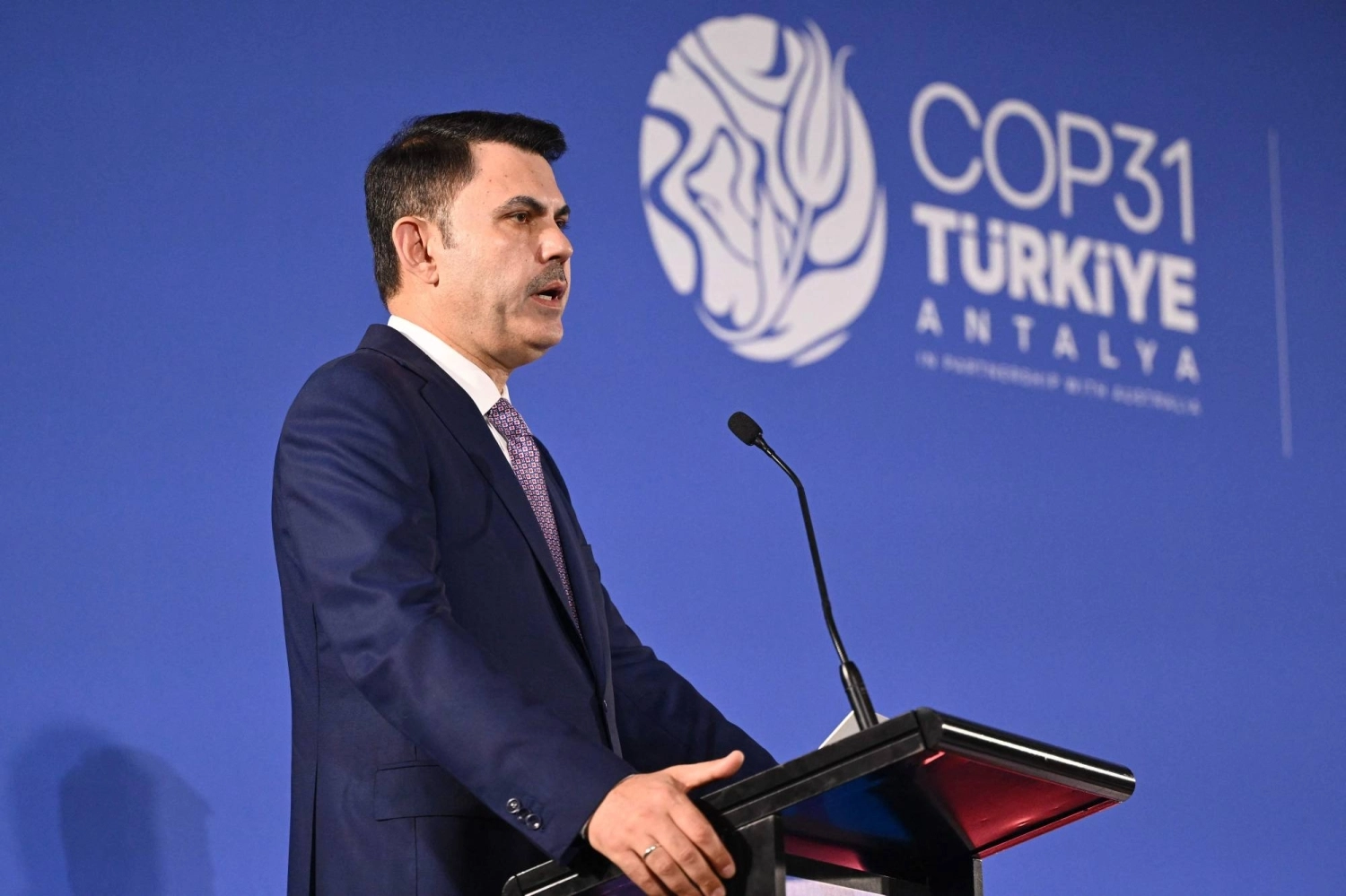
The 31st United Nations Climate Change Conference (COP31) opened in Antalya, Türkiye, on Monday, with its President, Murat Kurum, urging countries to translate climate commitments into practical results, warning that climate change was worsening existing economic, food and security challenges.
Kurum said the world could no longer address the climate crisis in isolation from conflicts, geopolitical tensions, economic uncertainty, food insecurity and unequal access to finance and technology.
He described the summit as an “Implementation COP”, saying its priority would be to bridge the gap between promises made at international negotiations and improvements in people’s lives.
“Each crisis makes the others worse,” Kurum said, citing drought, flooding, water scarcity and extreme heat as threats to food production, supply chains, economies, migration and public health.
He added that the effects of climate change crossed national borders, noting that “a drought in one part of the world is felt at the dinner table in another.”
The COP31 President reaffirmed the Paris Agreement’s goal of limiting global warming to 1.5 degrees Celsius above pre-industrial levels, saying it remained the benchmark for international climate action.
Kurum said the Presidency would work to bring countries together despite geopolitical and economic differences, stressing that decisions reached at the summit must deliver tangible benefits beyond negotiating rooms.
He said the implementation agenda would include more resilient urban infrastructure, productive farmland, cleaner industrial production and reduced household energy costs.
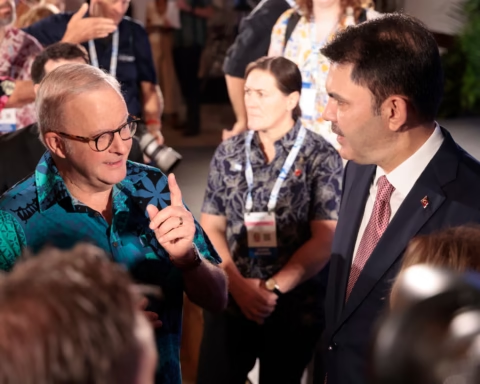
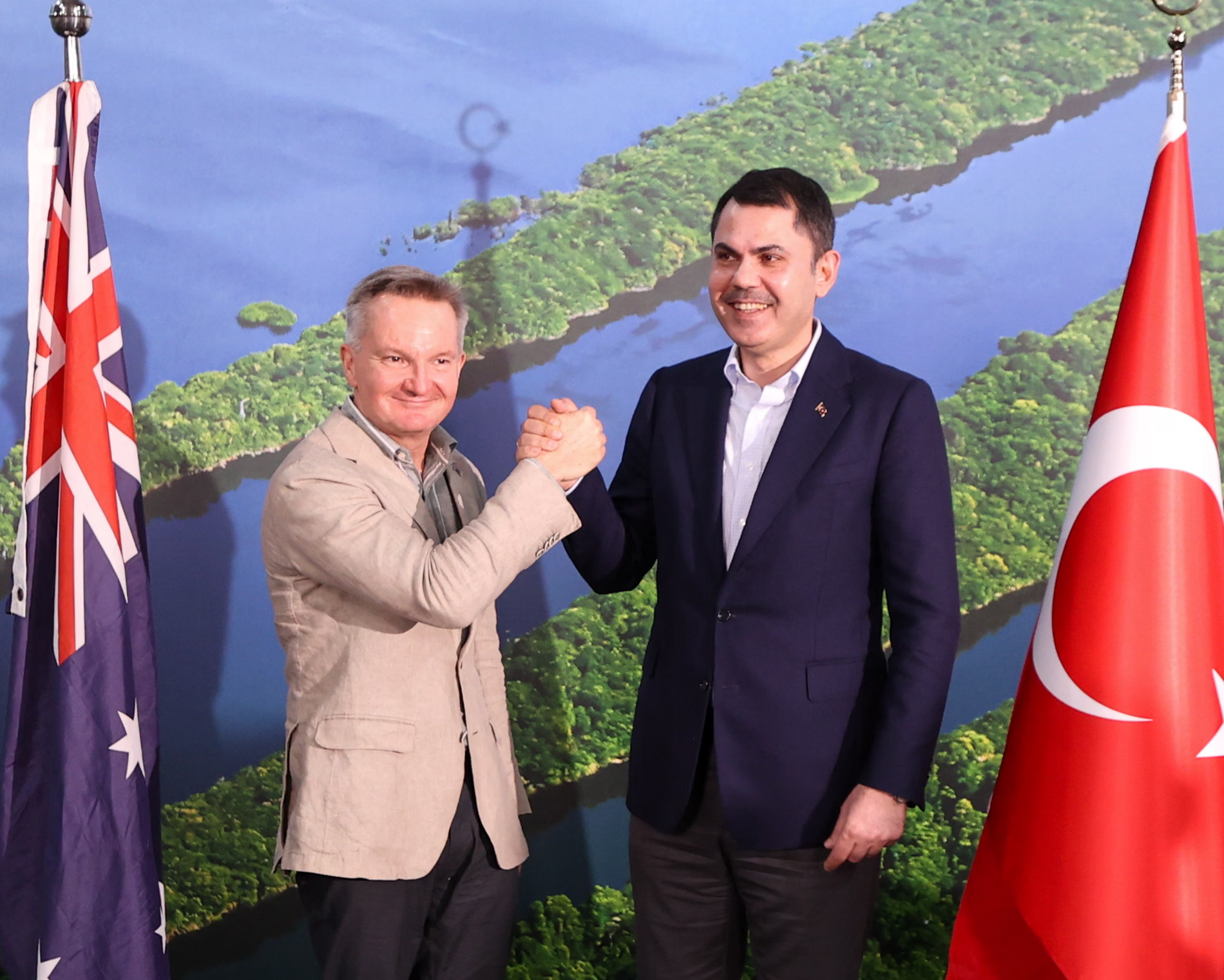
The President of Negotiations for COP31, Chris Bowen, said the summit offered an opportunity to demonstrate the benefits of international cooperation for climate action and global energy security.
“COP31 is an opportunity to show what cooperation can deliver at this crucial time for both our climate and global energy security,” Bowen said.
He said the conference would focus on unlocking finance and investment, accelerating electrification and strengthening action on oceans, which he described as nature’s greatest climate regulator.
Bowen added that the summit must prioritise practical outcomes, including investment, infrastructure, jobs, energy security and resilient communities.
Also speaking, the Executive Secretary of the United Nations Framework Convention on Climate Change, Simon Stiell, warned that global heating and extreme weather were imposing growing costs on households and economies.
Stiell said the disruption to fossil fuel supplies and prices had intensified economic pressures, while renewable energy offered significant savings.
He cited an estimated $265bn saved globally through renewable energy in the first half of the year, arguing that climate solutions could deliver economic as well as environmental benefits.
“It’s in every country’s interest to limit global heating, and protect every community and economy,” he said.
Stiell urged delegates to use the conference to accelerate solutions and ensure that vulnerable communities benefited from climate action.
The opening day of the summit focused on food, agriculture and health, reflecting concerns about the effects of climate change on food security, livelihoods and public health.
The Presidency said the current “Super” El Niño had the potential to push nearly 50 million additional people into acute hunger, making resilience across food and health systems a major priority.
As part of the health agenda, the COP31 Presidency, Türkiye’s Ministry of Health, the World Health Organisation and the Alliance for Transformative Action on Climate and Health launched the Antalya Initiative for Resilient Health Systems.
The initiative is designed to help countries strengthen their health systems to anticipate, adapt to and respond to growing climate-related risks.
On agriculture, a High-Level Women’s Farmers’ Dialogue convened by the COP31 Presidency, the International Fund for Agricultural Development and Türkiye’s Ministry of Agriculture and Forestry examined barriers preventing women farmers from accessing climate finance.
The dialogue also featured the launch of a joint report titled The Unfunded Half, produced by IFAD and Türkiye’s Ministry of Agriculture and Forestry.
A separate High-Level Young Farmers’ Dialogue, organised with the Food and Agriculture Organisation of the United Nations, focused on the role of young people in transforming agriculture, water and food systems.
The meeting featured the Antalya Call to Action for Youth on Agri-food Systems, while the summit’s Youth Climate Champion was expected to open a Children and Youth Pavilion to provide a platform for young people’s participation and climate solutions.
Kurum also highlighted the role of electrification in reducing emissions and strengthening energy security, citing Türkiye’s “35-by-35” Global Electrification Pledge, which targets an increase in electricity’s share of final energy consumption to 35 per cent by 2035.
He said renewable energy, stronger electricity grids, energy storage, efficiency measures, clean transport and green industry would be essential to the transition.
On climate finance, Kurum recalled the agreement reached in Baku for at least $300bn annually in climate finance for developing countries by 2035, alongside a broader call to scale financing from all sources to at least $1.3tn annually.
“Now our promises must be backed by capital. That capital must fund investment. And that investment must deliver results,” he said.
The summit will continue on Tuesday with the launch of the Turquoise Nexus Initiative, led by Türkiye’s Ministry of Agriculture and Forestry in coordination with the COP31 Presidency.
The initiative, under the FAO’s Food and Agriculture for Sustainable Transformation Partnership, seeks to integrate food systems transformation, sustainable water management and climate adaptation into national policies and investment plans.
The two-week conference is taking place across the Blue Zone, which hosts official negotiations and high-level meetings, and the Green Zone, where government agencies, businesses, academics, civil society organisations and young people are showcasing climate solutions.
By Dare Akogun