
Nigeria heads to COP17 in Armenia with a revised biodiversity strategy as the world reviews progress towards halting nature loss by 2030. Facing millions of hectares of degraded land, threatened species, and growing pressure on ecosystems, the summit will test whether commitments can translate into action, financing, and protection for communities.
Four years after countries agreed to halt and reverse global biodiversity loss, Nigeria is preparing to present its revised roadmap for nature protection at an international summit where governments face growing pressure to demonstrate that their promises are translating into measurable results.
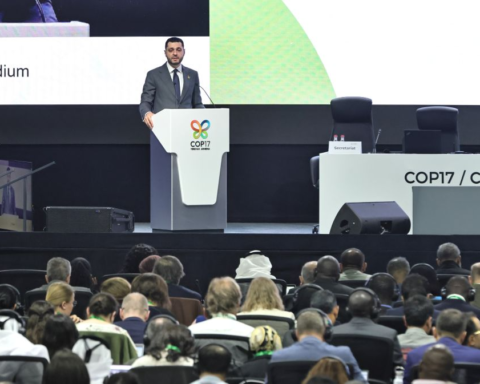
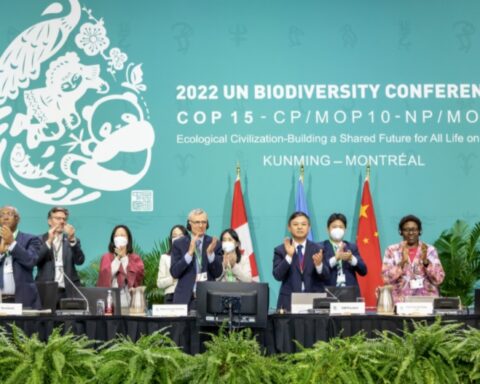
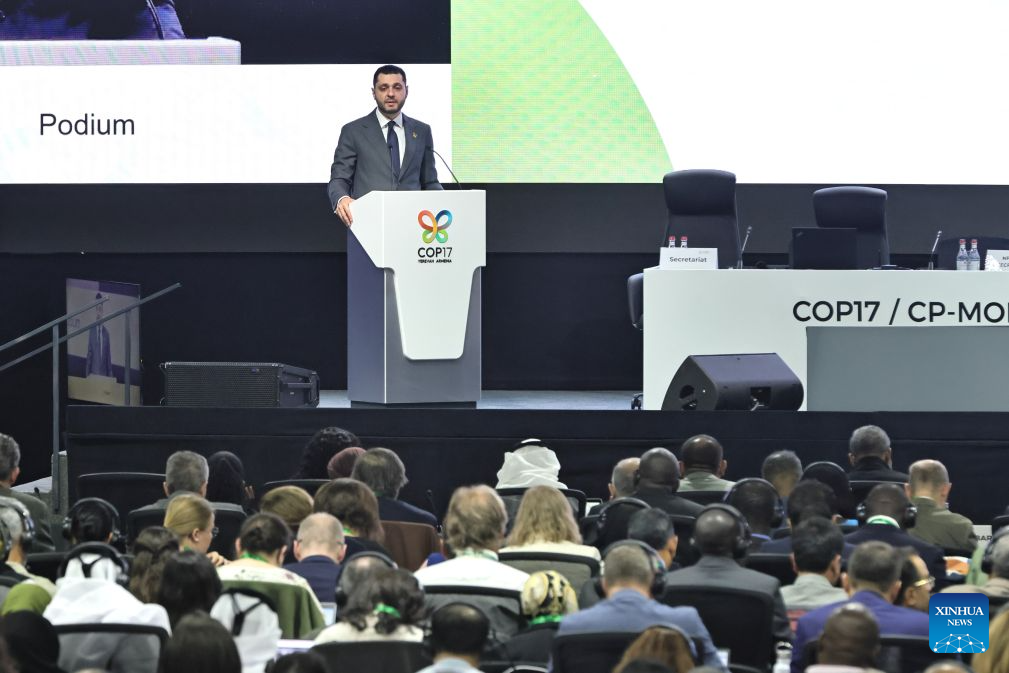
The 17th meeting of the Conference of the Parties to the Convention on Biological Diversity, scheduled for October 19 to 30, 2026, in Yerevan, Armenia, will provide the first global review of collective progress under the Kunming-Montreal Global Biodiversity Framework, adopted in 2022.
For Nigeria, home to thousands of plant and animal species, including the critically endangered Cross River gorilla, the summit presents an opportunity to demonstrate progress in protecting its natural heritage while confronting land degradation, habitat destruction, and the unsustainable exploitation of natural resources.
Beyond diplomatic engagements and policy documents, the central question is whether Nigeria and other nations can turn commitments into practical measures capable of protecting ecosystems, supporting local livelihoods, and securing required conservation financing.
Under the theme Taking Action for Nature, COP17 will assess how far countries have advanced towards framework goals and targets for 2030, identify implementation gaps, and consider actions needed to accelerate progress during the remaining four years.
The outcome will be particularly significant for biodiversity-rich developing countries such as Nigeria, where forests, wetlands, mangroves, and other ecosystems sustain livelihoods while facing increasing pressure from economic activities, population growth, and environmental degradation.
Nigeria’s revised roadmap
Nigeria’s position at the summit is anchored on two major policy documents: the Revised National Biodiversity Strategy and Action Plan for 2025–2030 and the country’s Seventh National Report to the Convention on Biological Diversity, alongside its first report on Access and Benefit-Sharing.
The revised strategy, developed by the Federal Ministry of Environment in line with Article 6 of the Convention, is intended to guide national conservation efforts and promote the sustainable use of natural resources.
The strategy adopts a “whole-of-government and whole-of-society” approach, recognising that biodiversity protection cannot be achieved by the environment ministry alone.
According to plan documents, it seeks to integrate biodiversity considerations into agriculture, forestry, oil and gas, fisheries, and tourism sectors whose activities significantly influence ecosystem health.
The approach also emphasises youth participation, reflecting the importance of engaging younger Nigerians in conservation, environmental decision-making, and policy implementation.
At a validation workshop in Abuja in February 2026, the Minister of Environment, Balarabe Lawal, reaffirmed the Federal Government’s commitment to implementing the Kunming-Montreal framework.
The ministry’s Director of Forestry, Hajiya Halima Bawa-Bwari, described the Seventh National Report as more than a statutory submission, noting that it reflects national progress, challenges, and aspirations.
A lead consultant on the revised strategy, Lydia Oyediran, underscored the importance of youth inclusion, noting that more than 60 per cent of Nigeria’s population is below the age of 30, with a median age of 18.
The plan’s focus on youth is significant in a country where young people can drive environmental monitoring, conservation enterprises, community awareness, and nature-based solutions.
However, the effectiveness of the strategy will ultimately depend on how its targets are funded, implemented, and monitored nationwide.
Nigeria’s biodiversity challenges are substantial. Figures cited in supporting documents indicate that the International Union for Conservation of Nature Red List identifies 382 Nigerian species facing extinction, while data attributed to the United Nations Convention to Combat Desertification put degraded land at 23.41 per cent of the country’s total area, equivalent to approximately 21.07 million hectares.
These pressures underscore the need for coordinated responses connecting conservation with agriculture, infrastructure, mining, energy production, and community livelihoods.
Nigeria must link biodiversity funding to results, environmental expert says
A Chartered Environmentalist and Senior Policy Analyst at the Society for Planet and Prosperity, Gboyega Olorunfemi, has urged Nigeria to push for stronger biodiversity financing, transparent monitoring and accountability at the 17th Conference of the Parties to the Convention on Biological Diversity, warning that weak environmental governance is allowing degradation to outpace conservation efforts.
Olorunfemi said Nigeria’s environmental crisis was driven by three interconnected challenges: ecosystem degradation caused by pollution, weak enforcement of environmental laws and the growing effects of climate change.
He said the challenges were evident in oil spills, gas flaring, untreated industrial effluents, plastic pollution and agricultural runoff, which continue to threaten rivers, wetlands, forests, lagoons and coastal ecosystems.
According to him, climate change is worsening flooding, coastal erosion, desertification and biodiversity loss, threatening livelihoods and putting additional pressure on already degraded ecosystems.
Olorunfemi argued that previous conservation efforts had achieved limited results because they often concentrated on individual projects without addressing the governance and economic systems responsible for environmental damage.
“Restoration initiatives are often underfunded, poorly coordinated, and rarely sustained beyond political or donor cycles,” he said.
He added that local communities, despite being primary custodians of biodiversity and often the first to respond to environmental crises, were frequently excluded from decisions affecting their natural resources.
He also warned that economic incentives continued to favour activities that degrade ecosystems, while compromised community leadership could undermine conservation initiatives.
“Unless Nigeria addresses governance, financing, and implementation together, environmental degradation will continue to outpace conservation efforts,” he said.
Olorunfemi said biodiversity conservation should not be viewed merely as an effort to protect wildlife and trees, arguing that healthy ecosystems were fundamental to food security, public health, employment and economic development.
He explained that forests help regulate rainfall and support agriculture, wetlands filter water, mangroves provide natural protection against coastal hazards, while rivers and oceans sustain fisheries that supply food and income to millions of people.
According to him, ecosystem degradation can reduce crop yields, deplete fish stocks, worsen flooding and water pollution, and increase public-health risks.
These effects, he said, could translate into higher food prices, reduced household incomes, greater poverty and increased pressure on health services.
“Protecting nature is therefore not an environmental luxury—it is a necessity for development and public health,” he said.
His comments come as governments prepare for COP17, where countries are expected to review collective progress under the Kunming-Montreal Global Biodiversity Framework, adopted in 2022 to halt and reverse biodiversity loss by 2030.
The framework contains 23 targets, including efforts to restore degraded ecosystems, reduce pollution, address harmful incentives and conserve at least 30 per cent of the world’s land, inland waters and coastal and marine areas by 2030.
Nigeria urged to seek accessible biodiversity finance
Olorunfemi called on Nigeria to use the conference to push for greater access to international biodiversity financing, including support through the Global Environment Facility and the Global Biodiversity Framework Fund, as well as progress on the Cali Fund.
He said funding arrangements should be accessible to developing countries and support community-led restoration, rather than leaving vulnerable communities dependent on short-term projects.
He also advocated results-based financing, under which funding would be linked to measurable restoration outcomes and supported by transparent monitoring, independent verification and public reporting.
Such mechanisms, he argued, would help ensure that conservation announcements translated into projects that delivered tangible environmental and livelihood benefits.
He further identified debt-for-nature swaps, blue-carbon investments, biodiversity credits with credible environmental safeguards and public-private partnerships as potential sources of funding for restoration.
However, he stressed that the financing mechanisms must be supported by strong accountability and safeguards to prevent funds from being diverted or projects from failing to deliver their promised benefits.
The Founder and Executive Director of ICCDI Africa, Olumide Idowu, also identified pollution, habitat destruction and climate change as interconnected threats damaging ecosystems, undermining livelihoods and increasing environmental risks.
Idowu blamed weak enforcement of environmental laws, inadequate funding, poor coordination among institutions and the exclusion of affected communities for the limited impact of past conservation efforts.
He said effective environmental protection required sustained investment, corporate accountability, consistent enforcement of regulations and meaningful community participation.
“Biodiversity is more than simply protecting wildlife and trees; it underpins the food we eat, the water we drink, the air we breathe and the livelihoods of millions of people,” he said.
Idowu warned that polluted rivers, disappearing forests and damaged marine ecosystems could deprive farmers and fishers of income, disrupt food supplies and expose communities to greater health risks.
He said protecting nature should be treated as an investment in human survival, economic security, public health and the wellbeing of future generations. Governments should promote dedicated, long-term funding for environmental cleanup and ecosystem restoration through public budgets, international climate and biodiversity finance, grants and the application of the polluter-pays principle. “These funds should be accompanied by clear implementation timelines, transparent reporting, independent monitoring and measurable targets so that communities can see what has been funded, what has been completed and what remains outstanding. “Most importantly, affected communities need to be included in the planning and monitoring of projects, with accessible means to report concerns and hold accountable those institutions responsible for delivering results,” he said
The global review and Nigeria’s performance
COP17 marks the first conference since the adoption of the Kunming-Montreal framework to conduct a comprehensive global review of collective implementation.
The framework establishes a pathway for governments to address biodiversity loss through ecosystem conservation, sustainable resource use, degraded area restoration, and resource mobilisation.
A prominent commitment is Target 3, known as the 30×30 target, which calls for the effective conservation and management of at least 30 per cent of terrestrial, inland water, coastal, and marine areas by 2030.
For Nigeria, achieving this ambition requires ensuring that protected areas are effectively managed and that the rights and livelihoods of indigenous peoples and local communities are respected.
Communities in Cross River State, the Niger Delta, and other biodiversity-rich areas are central to this discussion, as they live alongside ecosystems providing food, livelihoods, and protection against environmental hazards.
Excluding local populations or disregarding traditional knowledge risks creating conflict and weakening long-term conservation sustainability.
Nigeria and other African countries are expected to emphasise adequate financing, equitable conservation, and monitoring systems that recognise community participation.
The global review will also test whether national strategies align with framework targets and whether countries have established credible monitoring systems.
For Nigeria, the challenge is demonstrating that its revised strategy is a practical instrument supported by measurable targets, clear responsibilities, and reliable financing.
Financing the fight to save nature
A major question at COP17 is how to mobilise sufficient and predictable funding to implement national biodiversity plans.
Conservation requires resources for protected-area management, ecosystem restoration, research, enforcement, community engagement, and monitoring. In developing countries, competing public budget demands can constrain these activities.
Nigeria’s biodiversity strategy must therefore be supported by domestic budgetary commitments, international funding, private-sector investment, and mechanisms benefiting local communities.
The debate also extends to government incentives for activities that damage nature.
Estimates cited in international discussions put global public support for environmentally harmful subsidies at no less than $2tn annually across agriculture, fisheries, water, transport, plastics, and fossil fuels.
Under Target 18 of the framework, countries committed to identifying harmful incentives by 2025 and eliminating, phasing out, or reforming them equitably, while reducing them by at least $500bn annually by 2030.
With the 2025 milestone passed, COP17 will assess progress and accelerate implementation.
For Nigeria, this has implications for agriculture, mining, oil and gas, fisheries, and infrastructure. Government policies supporting economic growth must account for environmental degradation costs.
Reforming harmful incentives requires careful planning and protection for low-income households and vulnerable workers through a just transition.
Who benefits from nature’s resources?
Another major issue expected to feature at COP17 is access and benefit-sharing, one of the three core objectives of the Convention on Biological Diversity.
The principle requires the fair and equitable sharing of benefits arising from the use of genetic resources. Advances in biotechnology and the growing commercial use of digital sequence information derived from genetic resources have complicated the question of how such benefits should be distributed.
At COP16, countries established the Cali Fund to channel contributions from companies that benefit commercially from digital sequence information towards biodiversity-rich developing countries and Indigenous Peoples and local communities.
However, contributions to the fund have so far been limited, raising questions about how the mechanism can generate meaningful resources for conservation and ensure that benefits reach those who protect biodiversity.
COP17 is an opportunity to move the discussion from establishing the mechanism to making it operational, including encouraging substantial contributions and agreeing on how the money should be allocated.
For Nigeria, a country with significant biological resources and communities whose livelihoods are linked to forests, wetlands and other ecosystems, the issue has both economic and environmental implications.
Fair benefit-sharing could help ensure that countries and communities contributing to the conservation of genetic resources are not excluded from the economic value generated through their use.
Nigeria’s first report on Access and Benefit Sharing could provide an important basis for discussions about the country’s approach to the issue. But the real test will be whether international arrangements produce transparent, accessible and equitable benefits for biodiversity-rich countries and the communities that steward their natural resources.
Businesses and civil society join the effort
Non-state actors, including conservation organisations, businesses, researchers, youth groups, and community representatives, will play critical roles in Yerevan.
In Nigeria, the Nigerian Conservation Foundation has expanded private-sector engagement through a partnership with Natural Eco Capital.
In September, the organisations launched Nigeria’s Business Action Plan for Biodiversity in Abuja, helping businesses assess nature dependence and operational impacts.
At the launch, NCF Director-General, Dr. Joseph Onoja, described nature as the capital sustaining every business.
Integrating biodiversity into business planning helps manage economic risks such as supply disruptions, rising costs, and reputational damage across sectors like agriculture, extractive industries, and tourism.
Civil society groups and youth organisations, including partners of the Forest Peoples Programme and the Global Youth Biodiversity Network, will bring community perspectives into negotiations.
Linking climate, land and biodiversity
COP17 will also strengthen cooperation among the three Rio Conventions, the Convention on Biological Diversity, the United Nations Framework Convention on Climate Change, and the United Nations Convention to Combat Desertification.
Because climate change damages ecosystems while deforestation weakens carbon storage, greater coordination allows countries to design policies delivering co-benefits across climate resilience, land restoration, and biodiversity protection.
For Nigeria, alignment is valuable in areas facing overlapping threats from flooding, erosion, drought, and desertification.
Nature-based solutions such as mangrove restoration, wetland rehabilitation, and green urban infrastructure will feature prominently.
Evidence cited from a 29-country analysis indicates that nature-based infrastructure can generate $3.21 in returns for every dollar invested while strengthening climate resilience.
In Nigeria, opportunities range from restoring Niger Delta mangroves to rehabilitating degraded landscapes, backed by rigorous economic assessments and community safeguards.
From commitments to implementation
As delegates prepare for COP17, the central challenge facing Nigeria and other countries is how to translate international commitments into measurable progress before 2030.
Nigeria’s revised biodiversity strategy and Seventh National Report provide a framework for assessing its priorities, challenges and proposed responses. But their effectiveness will depend on implementation, adequate financing, coordination across government and meaningful participation by communities and businesses.
The global review in Yerevan should help identify where countries are falling behind, what is working and which interventions require urgent attention. Its value, however, will depend on whether governments use its findings to make difficult policy choices and accelerate action.
For Nigeria, that means treating biodiversity protection as a development priority rather than an isolated environmental concern. It means ensuring that agriculture, mining, energy, infrastructure and other economic activities account for their impacts on nature. It also means giving communities a meaningful role in conservation and ensuring that the benefits generated from biological resources are shared fairly.
The country enters COP17 with a revised policy roadmap and an opportunity to strengthen its position in global biodiversity discussions. The question is whether those commitments will be matched by the resources, accountability, and political will required to deliver results.
By Dare Akogun