
Where Was My Invite? And Wait, Is Tinubu the COP31 Man?
Nigeria could arrive in Antalya with its President, a sizeable delegation and ambitious climate promises. But will the money, technology and opportunities reach the people who need them most?
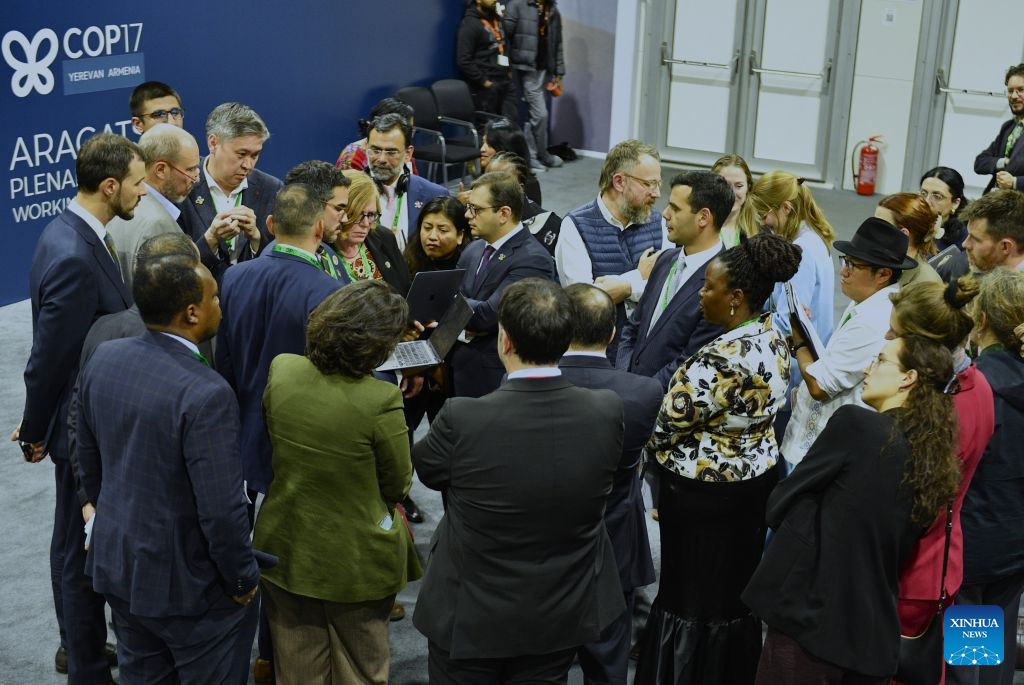
Something is amusing about international climate conferences. You can spend months discussing how to save the planet, developing solutions, engaging institutions and mobilising funding, only to discover that getting through the right door can sometimes be harder than getting your innovation funded.
I discovered this while preparing for my COP debut in Belém, Brazil, at COP30.
I arrived curious, excited, and armed with questions. I wanted to understand how climate finance worked, who controlled investment decisions, and why organisations doing meaningful work at the grassroots continued to struggle to access funding.
I joined fellow speakers at the Climate Mobility Pavilion for discussions on AI investment. That conversation stayed with me long after I left Brazil. It helped shape the thinking behind Grant Swipe, an AI-powered funding platform being developed by our Chief Technology Officer, Kefas Longshak, who also built GreenJobs last year.
Now, as Antalya prepares to host COP31 from November 9 to 20, 2026, I have two questions: Where was my invitation? And wait, is President Bola Tinubu going to be the COP31 man?
Well, Nigeria certainly has a reason to show up.
Is Nigeria bringing the whole delegation?
With President Tinubu potentially attending, Nigeria has an opportunity to command international attention. But I would rather see the country arrive with a strategy than simply a long list of delegates.
The National Council on Climate Change has established a COP31 registration portal to facilitate the participation of eligible stakeholders. However, the final size and composition of Nigeria’s delegation, as well as the President’s personal attendance, should be established through official confirmation.
If the President attends, the world should expect more than photographs, diplomatic pleasantries and another declaration of climate ambition.
Bring the ministers, development banks, investors, energy companies, researchers, civil society organisations, journalists and entrepreneurs into the same conversation. Bring projects that need financing. Bring opportunities for local manufacturing, renewable energy, clean cooking and climate-smart agriculture.
Nigeria should not just attend COP31. It should negotiate, attract investment and demonstrate what implementation looks like.
The country must approach the conference with clear priorities, investment-ready projects and a strategy for securing partnerships that translate into measurable benefits at home.
The Blue Zone invitation problem
One of my most interesting experiences around COP has been navigating the accreditation process.
The Blue Zone is where formal negotiations, government delegations, accredited media and admitted observers meet. However, participation is not simply a matter of booking a flight and registering an interest.
As an independent contributor working across international development conversations, I understand the importance of verification and institutional protocols. But I also understand how difficult these requirements can be for independent journalists, emerging innovators, and grassroots organisations.
The irony is difficult to ignore. We constantly talk about inclusive climate action, yet some of the people developing inclusive solutions struggle to access the spaces where those solutions are discussed.
For COP31, the UN Framework Convention on Climate Change introduced a media accreditation process requiring media organisations to nominate focal points and assign journalists. The published accreditation deadline was October 16, 2026.
I respect the need for order and proper accreditation. But perhaps the climate movement also needs to examine how meaningful participation can become more accessible.
Not everybody has a government delegation behind them. Not everybody works for an international broadcaster. That does not make their stories, innovations, or contributions less important.
Climate diplomacy should create room for credible independent voices, particularly those working directly with communities experiencing the consequences of climate change.
Can AI help solve the climate finance problem?
Let us talk about money.
Climate finance is not necessarily suffering from a shortage of ideas. It is also suffering from a disconnect between available capital and organisations capable of deploying it.
A community organisation may have a credible clean-energy project but lack the technical capacity to identify suitable grants, navigate application requirements, prepare the necessary documentation or demonstrate its potential impact.
This is where I want the world to pay attention to Grant Swipe.
Imagine an AI-powered platform that helps environmental organisations, renewable-energy entrepreneurs, climate innovators and grassroots groups discover relevant funding opportunities, match their projects with potential funders, prepare applications and track implementation.
That is the opportunity we are exploring.
AI will not magically solve the climate finance gap. It cannot replace development banks, sound government policies or institutional accountability. But it can help remove information barriers and make funding opportunities more accessible.
Our CTO, Kefas Longshak, has been developing the technology behind this vision. I would love to see COP31 become a platform where innovations like this are evaluated not merely for their technical sophistication but for their ability to improve access to capital.
The question investors should be asking is simple: Can we finance the technology that helps other climate solutions get financed?
For me, that is one of the most interesting intersections between artificial intelligence, climate action and investment.
What should the world expect on November 11 and 12?
The World Leaders Climate Action Summit is scheduled for November 11 and 12 in Antalya.
I hope this gathering delivers more than carefully rehearsed speeches.
Governments should leave with measurable financing commitments and implementation partnerships. Civil society organisations should have meaningful access to funding institutions and decision-makers, rather than another invitation to submit recommendations that disappear into reports.
Climate activists should have opportunities to influence policy, challenge commitments and hold institutions accountable.
Journalists should have access to decision-makers, reliable information and the freedom to ask difficult questions.
Investors and development institutions should identify viable projects and develop financing pathways that include emerging markets and grassroots innovators.
Technology entrepreneurs should have opportunities to demonstrate solutions, attract investment and establish strategic partnerships.
Ultimately, the summit must connect political ambition with practical implementation.
What if Tinubu shows up?
Imagine the Nigerian President engaging the World Bank, African Development Bank, international investors and climate innovators on how to mobilise capital for Nigeria’s energy transition.
Imagine women with disabilities demonstrating their capacity to build businesses around solar energy and clean cookstoves, rather than appearing merely as beneficiaries in development reports.
Imagine a Nigerian climate entrepreneur demonstrating how artificial intelligence can help grassroots organisations discover funding opportunities.
Imagine Nigeria using its diplomatic influence to attract investment in local manufacturing, clean energy, climate adaptation and green jobs.
That is the kind of presidential presence I would like to see.
Not just representation, but results.
The President’s attendance, should it happen, must be an opportunity to advance Nigeria’s climate and economic interests, secure partnerships and demonstrate that the country is serious about implementation.
From Belém to Antalya
My COP30 debut taught me that climate action is much bigger than the conference venue. It is about people waiting for electricity, communities facing environmental challenges, entrepreneurs building solutions and organisations struggling to access funding.
COP31’s November 13 Finance and Trade thematic day is particularly important because it connects investment, green finance, value chains and the economic opportunities of the energy transition.
On that same day, Semaform Foundation will host its invitation-only Handshake Summit and Awards in Antalya, bringing together stakeholders to discuss climate finance, artificial intelligence investment and trade. The event will also introduce Grant Swipe and create opportunities for conversations around funding women, persons with disabilities and community-led clean-energy initiatives.
I want to see Nigeria show up. I want African innovators to attract capital. I want civil society to have a voice. I want journalists to tell stories beyond official press releases.
And perhaps, this time, I would like the invitation to arrive before the flight.
Because the real measure of COP31 will not be how many presidents make it to Antalya, how many people receive Blue Zone badges or how many photographs appear on social media.
It will be whether the people who need climate finance finally get access to it.
The world does not need another climate summit where everyone agrees on the problem. It needs one where the people building the solutions finally get funded.
Chaste Inegbedion is an independent journalist, technology entrepreneur, and social impact advocate. He made his COP debut at COP30 in Belém, Brazil, participating in discussions on AI investment at the Climate Mobility Pavilion. His interests include climate finance, artificial intelligence, inclusive innovation, and global development.