
Governments have adopted a new global roadmap to accelerate efforts to halt biodiversity loss by 2030, as a United Nations assessment warns that the world is off track to meet its nature conservation targets.
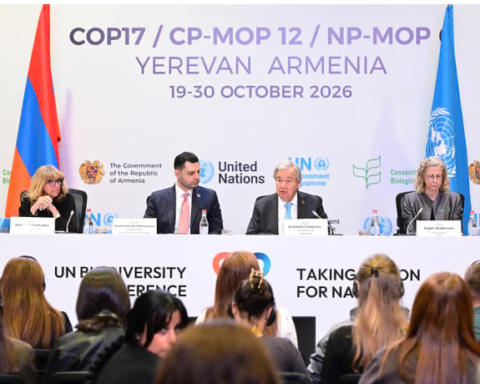
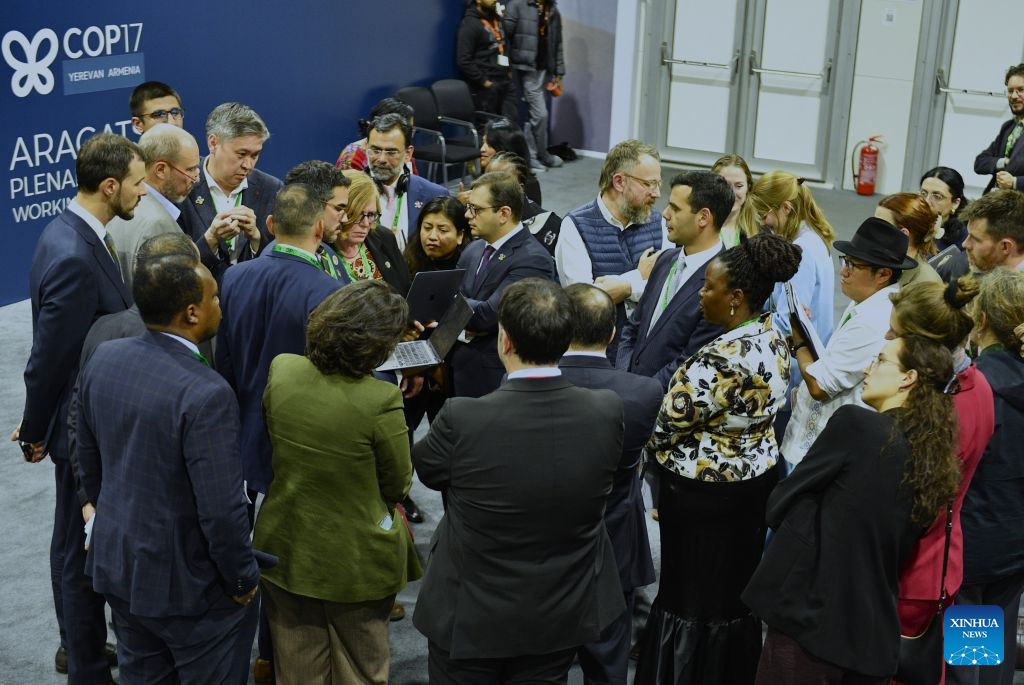
The roadmap, known as the Yerevan Pathway, was adopted at the conclusion of the 2026 UN Biodiversity Conference in Armenia on Saturday, alongside nearly 50 decisions aimed at strengthening scientific cooperation, biodiversity financing and implementation of global conservation commitments.
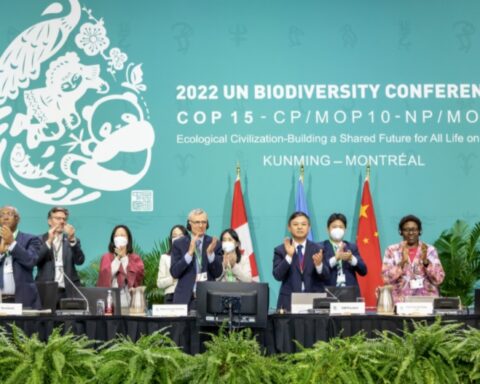
The development comes with only four years remaining to achieve the 23 targets of the Kunming-Montreal Global Biodiversity Framework, adopted in 2022 to halt and reverse biodiversity loss.
The framework includes commitments to conserve at least 30 per cent of the world’s terrestrial, inland water, coastal and marine areas by 2030, as well as restore at least 30 per cent of degraded ecosystems.
However, the first global assessment of collective progress, presented ahead of the conference, found that countries were not doing enough to achieve the targets within the agreed timeframe.
The Yerevan Pathway is expected to guide governments in addressing the identified gaps through 2030, with emphasis on increasing biodiversity financing, reforming environmentally harmful subsidies, improving access to technology and strengthening national implementation plans.
The conference, held in Yerevan, Armenia, comprised the 17th Conference of the Parties to the Convention on Biological Diversity and meetings under the Cartagena Protocol on Biosafety and the Nagoya Protocol on Access and Benefit-sharing.
It also recorded nearly $2bn in new biodiversity funding commitments through government pledges, multilateral financing and private-sector initiatives.
The commitments include $560m under the ninth replenishment of the Global Environment Facility and its Global Biodiversity Framework Fund, $500m through the Species Recovery Alliance and more than $330m through the Value Nature Fund, which seeks to mobilise private investment for nature conservation.
Speaking at the conclusion of the conference, its President, Hambardzum Matevosyan, said the Yerevan Pathway represented a collective commitment to move beyond declarations towards measurable action.
“With the adoption of the Yerevan Pathway, we demonstrate our collective determination to respond to one of the most urgent challenges of our time. It sets out priorities for collective action, from implementing national plans and mobilising financial resources to strengthening science, monitoring and the participation of all sectors of society,” he said.
The Executive Secretary of the Convention on Biological Diversity, Astrid Schomaker, said governments must address the financial and policy decisions contributing to environmental degradation.
“The next four years must bring acceleration and alignment with what we agreed when we adopted the Kunming-Montreal Global Biodiversity Framework.
“We cannot protect nature while continuing to finance its destruction. Resources must reach the countries and communities that need them. And biodiversity must become part of everyday economic decisions,” she said.
Among the major outcomes was an agreement on the rules of operation for the permanent subsidiary body on Article 8(j), officially named the Sevan Guidelines.
The decision is expected to strengthen the participation of Indigenous Peoples and local communities in shaping international biodiversity policies, recognising their knowledge, rights and contributions to ecosystem conservation.
The conference also adopted decisions covering protected areas, forest biodiversity, sustainable wildlife management, invasive alien species, marine and coastal biodiversity, synthetic biology and the risk assessment of living modified organisms.
Other initiatives announced included a biodiversity bond and investment incubator by the Asian Development Bank, a proposed model framework law on forests to strengthen environmental enforcement, and new State of Nature Indicators and Metrics to improve biodiversity monitoring and accountability.
The conference also placed emphasis on biodiversity education and the need for greater collaboration across government ministries, businesses, civil society organisations and local communities.
The Executive Director of the United Nations Environment Programme, Inger Andersen, said the outcome demonstrated the importance of international cooperation in addressing the global nature crisis.
“In Yerevan, we saw environmental multilateralism prevail once again. Countries came together, found the spirit of compromise and allowed us to agree on important decisions that will support real progress for people and for the planet,” she said.
For Nigeria and other biodiversity-rich developing countries, the emphasis on increased financing, technology transfer, scientific capacity and community participation presents important opportunities to strengthen national conservation efforts.
The call to reform harmful incentives also raises questions about how governments can align economic policies with biodiversity protection, particularly in sectors where unsustainable exploitation, deforestation, pollution and habitat destruction threaten ecosystems.
However, the effectiveness of the Yerevan Pathway will depend on whether governments translate the agreements into funded national programmes, stronger environmental enforcement and measurable improvements in biodiversity protection.
The next Conference of the Parties to the Convention on Biological Diversity, COP18, will be held in Ecuador in 2028, when countries will have only two years remaining to achieve the global biodiversity targets.
By Dare Akogun