
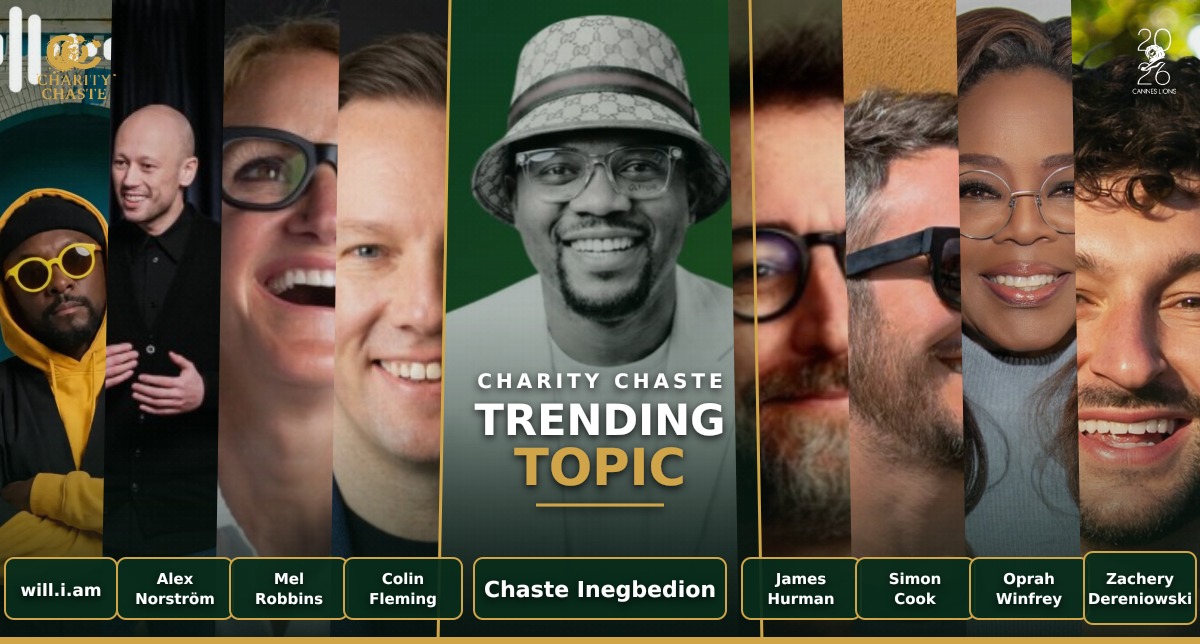
For six weeks after returning from the 2026 Cannes Lions International Festival of Creativity, I struggled to write about the experience.
It was not because there was nothing to say. Quite the opposite. There was simply too much.
Cannes Lions is often described as the Olympics of creativity, but for anyone experiencing it for the first time, it is something far more complex.
It is where advertising meets technology, where storytelling intersects with business, and where global influence is negotiated in hallways as much as on conference stages.
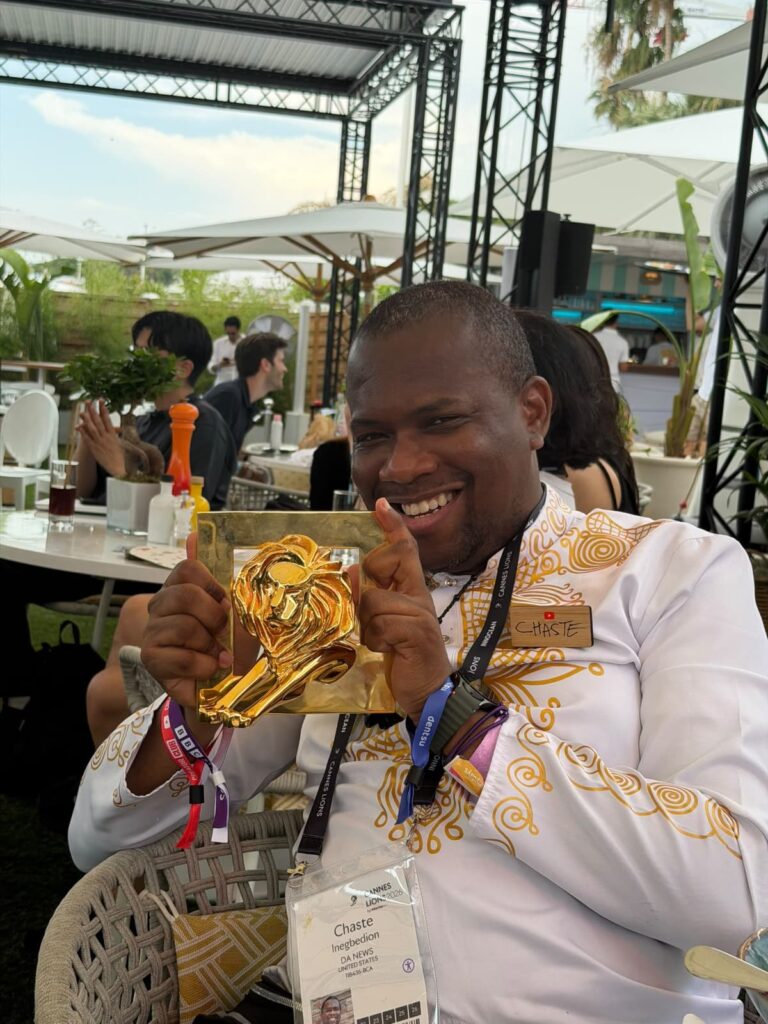
This year’s festival offered more than inspiring keynote speeches and award-winning campaigns. It exposed fundamental shifts taking place across the global creative economy changes that Africa cannot afford to ignore.
I arrived in Cannes wearing four different hats.
I attended as a journalist documenting one of the world’s most influential creative gatherings.
I was also there as a creator through the Sprout Social Cannes Ambassador programme, producing content in real time.
Beyond that, I represented the work of the Semaform Foundation as a nonprofit professional seeking partnerships capable of creating social impact.
Finally, I experienced the festival as a technology founder, carefully studying artificial intelligence innovations that increasingly define the future of business.
Each perspective revealed a different Cannes.
The journalist found stories. The creator discovered communities.
The nonprofit advocate saw opportunities for collaboration.
The entrepreneur found validation that building innovative African technology remains both possible and necessary.
The lesson from a missed handshake
One seemingly insignificant encounter became one of my biggest lessons from the festival.
During an award ceremony, Simon Cook, Chief Executive Officer of Cannes Lions, walked within a few feet of where I was seated.
I greeted him, he continued walking, acknowledging others nearby. It was not a personal slight.
Executives leading events of such magnitude navigate hundreds of interactions every day.
Yet the moment illustrated an uncomfortable truth about modern networking.
Visibility does not automatically create access.
Being present in the room does not guarantee meaningful relationships.
In today’s creator economy, genuine opportunities rarely emerge from brief introductions. They are built through consistent engagement before events, thoughtful follow-ups afterwards and relationships cultivated long before conference badges are printed.
That lesson has fundamentally changed how I approach professional networking.
Rejection and unexpected opportunities
Not every door opened. Despite my credentials, applications for media accreditation from organisations including Business Insider, The New York Times and The Wall Street Journal were unsuccessful.
Others, however, welcomed me warmly.
The Financial Times and the BBC provided opportunities that ultimately shaped much of my festival experience.
It became another reminder that rejection rarely defines one’s journey.
Sometimes the doors that remain closed redirect us towards those where we truly belong.
Perhaps the most encouraging development throughout Cannes Lions 2026 was Africa’s growing presence within global creative conversations.
Sessions featuring African creators were no longer treated as diversity showcases.
Instead, they focused on influence, innovation and business.
One particularly memorable discussion explored how African creators are building culture itself as infrastructure. That framing is significant.
Africa’s creative economy is no longer simply exporting entertainment.
It is exporting ideas, communities, narratives and economic models.
Meeting creators, entrepreneurs and innovators from across the continent reinforced the growing confidence that African talent increasingly commands international attention on merit rather than sympathetic.
Artificial intelligence changes everything and nothing
Artificial intelligence dominated Cannes Lions this year.
From beachside demonstrations featuring autonomous robots to award-winning campaigns driven by machine learning, AI permeated nearly every conversation.
Yet amid all the technological excitement, something surprisingly human emerged.
The most valuable moments of the festival were not generated by algorithms. They came from conversations.
They came from shared meals, spontaneous introductions, long walks between venues and friendships formed in creator communities.
Technology may enhance creativity, but relationships remain irreplaceable.
That reality became especially clear within the YouTube Creator Club, where creators from different countries connected beyond content creation itself.
Those interactions cannot be automated.
Creators have become the attraction*
One unmistakable shift became evident throughout Cannes Lions.
Brands no longer invite creators merely to document experiences.
Increasingly, creators are becoming the experience.
They moderate discussions, they host networking events, they shape public conversations, they attract audiences that traditional advertising alone cannot reach.
This represents a fundamental transformation in marketing strategy. The creator economy is no longer a supporting function. It has become a core business asset.
Companies such as Netflix, Forbes, Zoom and Lowe’s demonstrated this evolution through programmes that positioned creators not simply as influencers but as long-term strategic partners.
That approach reflects where marketing is heading globally.
Lessons for African brands
African businesses should pay close attention.
Global brands increasingly understand that communities drive influence more effectively than campaigns.
Trust now carries greater commercial value than reach.
Conversation generates stronger returns than interruption.
For organisations across Nigeria and the continent, investing in authentic creators may prove far more valuable than traditional advertising models alone.
This shift presents enormous opportunities for African entrepreneurs capable of building trusted digital communities.
Perhaps the biggest misconception surrounding Cannes Lions is that preparation begins months before the festival.
In reality, successful participation begins almost immediately after the previous edition concludes.
Accommodation is booked nearly a year in advance.
Brand partnerships develop over months rather than weeks.
Speaking invitations emerge from long-term visibility, particularly on professional platforms such as LinkedIn.
Those hoping to maximise opportunities at Cannes 2027 should begin building relationships today rather than waiting until registration opens.
The future belongs to connection
If one message defines my experience at Cannes Lions 2026, it is this:
The future belongs neither to artificial intelligence nor to creativity alone.
It belongs to people capable of combining both while maintaining authentic human connection.
In an era increasingly shaped by automation, genuine relationships have become even more valuable
Technology may create efficiency, creativity may capture attention, but trust still determines opportunity.
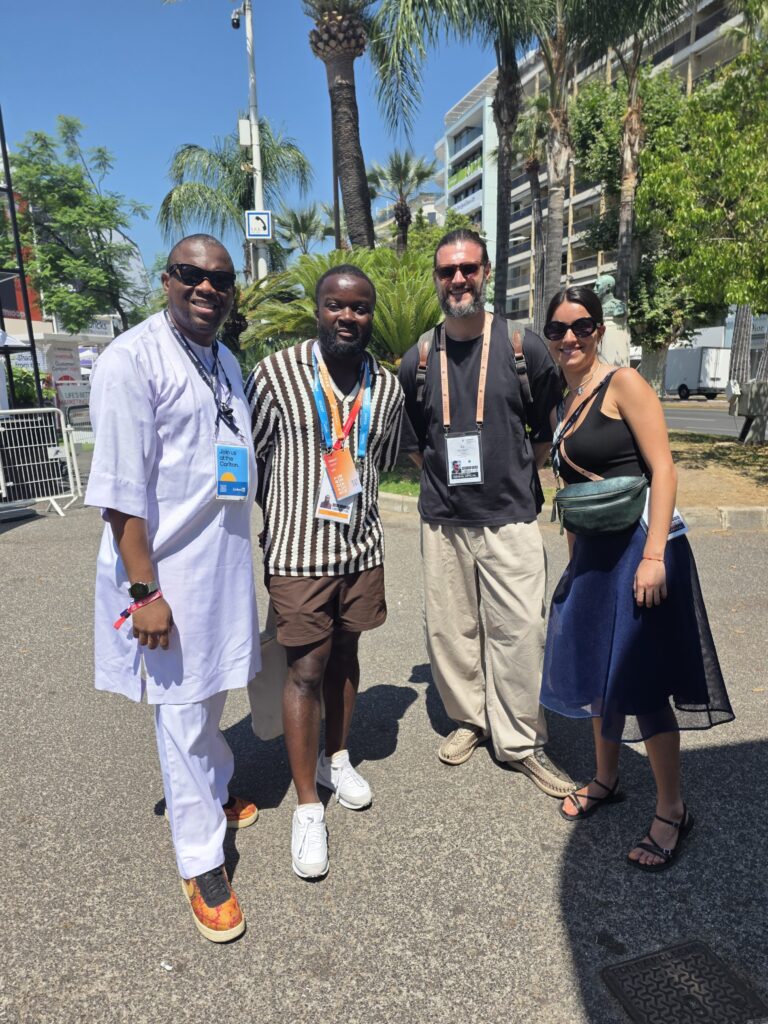
Africa’s creative economy stands at an important crossroads.
Its creators, entrepreneurs and innovators are increasingly earning seats at global tables.
The next challenge is ensuring those seats translate into lasting influence.
Cannes Lions reminded me that success is rarely determined by who walks past you in a crowded hallway.
It is determined by the relationships you build long before and long after that moment passes.
As Africa continues to shape global conversations on creativity, technology and culture, one thing is becoming increasingly clear.
The continent is no longer waiting for permission to participate.
It is steadily becoming part of the conversation that defines the future.
By Chaste Inegbedion