
As countries across Africa grapple with the challenges of post-conflict recovery, rapid urbanisation, climate vulnerability and infrastructure deficits, Azerbaijan is positioning itself as a potential partner willing to share lessons from one of the world’s most ambitious reconstruction programmes.
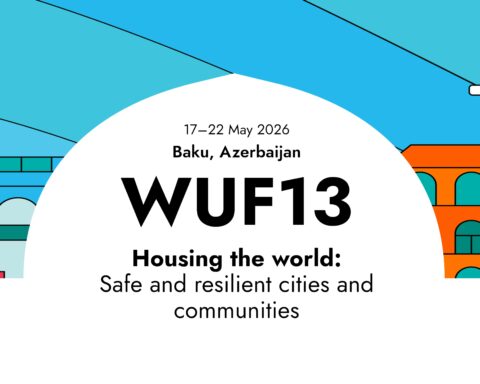
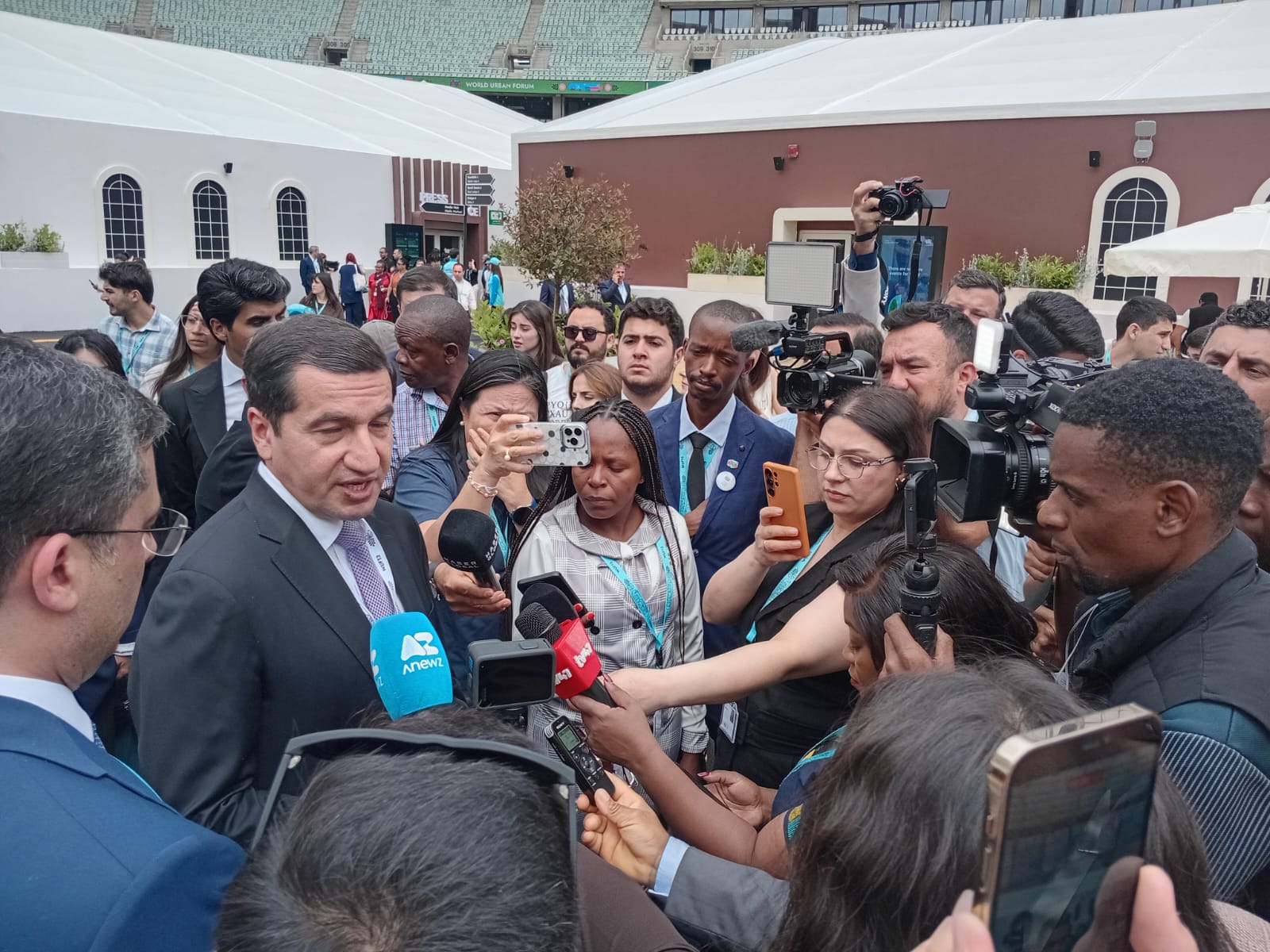
Speaking on the sidelines of the recently concluded World Urban Forum (WUF13) in Baku, Presidential Assistant and Head of the Foreign Policy Affairs Department of the Azerbaijani Presidential Administration, Hikmat Hajiyev outlined his country’s post-war rebuilding strategy, expanding engagement with African nations and efforts to bridge global divides on climate finance, urban development and economic cooperation.
For African policymakers, urban planners and development practitioners, the message from Baku was clear: countries emerging from conflict can build their own pathways to recovery rather than relying solely on imported models.
Building a nation from ruins
Five years after the end of the 2020 conflict over the Karabakh region, Azerbaijan says it has transformed large swathes of territory once devastated by war into active reconstruction zones.
According to Hajiyev, the scale of destruction in the recovered territories presented challenges unlike anything modern Azerbaijan had previously faced.
“The territories were completely destroyed and grounded to zero,” he said.
Faced with rebuilding entire communities, restoring infrastructure and facilitating the return of displaced populations, Azerbaijani authorities embarked on a comprehensive reconstruction programme that combined housing development, transport infrastructure, public services and economic revitalisation.
Unlike many post-conflict states that adopt externally designed recovery frameworks, Hajiyev said Azerbaijan chose to develop a homegrown model after reviewing international experiences.
“We looked at different international experiences. We could not find any proper model that we could directly apply. Even at the United Nations level, there was no ready-made model suitable for our circumstances. Therefore, we designed our own approach,” he explained.
One of the most difficult obstacles remains landmine contamination.
According to Azerbaijani authorities, more than one million landmines and unexploded ordnance were left behind in the formerly occupied territories, making reconstruction efforts particularly dangerous and expensive.
As a result, demining operations have become inseparable from housing development, infrastructure construction and economic recovery.
“A major challenge is that reconstruction has to happen simultaneously with demining, building roads, constructing homes and creating sustainable livelihoods for returning populations,” Hajiyev noted.
For African countries emerging from conflict including nations in the Sahel, the Horn of Africa and parts of Central Africa the Azerbaijani experience offers valuable insights into rebuilding communities while addressing long-term security threats embedded within post-war landscapes.
Why Africa is paying attention
The World Urban Forum attracted participants from across Africa, including government officials, journalists, urban development experts and housing advocates seeking solutions to mounting urban challenges.
Sub-Saharan Africa remains the fastest urbanising region in the world. By 2050, the continent’s urban population is expected to double, placing enormous pressure on housing, transportation, water systems and public infrastructure.
At the same time, several African countries continue to face the complex task of rebuilding communities affected by conflict, displacement and climate-related disasters.
Responding to questions from African journalists during the briefing, Hajiyev said Azerbaijan was willing to share its reconstruction experiences with partner countries.
“It is one of the unique and interesting case studies for post-conflict reconstruction and rebuilding,” he said.
“Azerbaijan is ready to share its experience with international partners and is equally ready to learn from others.”
His comments resonated with delegates from countries confronting similar challenges of reconstruction, urban growth and sustainable development.
Expanding ties with Kenya
Among the African countries receiving increased attention from Azerbaijan is Kenya.
Relations between both countries gained fresh momentum during WUF13 following the visit of Kenyan President William Ruto to Azerbaijan.
According to Hajiyev, discussions between both governments focused on housing development, investment opportunities and broader economic cooperation.
He described Kenya’s ongoing affordable housing programme as a model worthy of international attention.
“Kenya’s housing project is unique, massive and very successful,” he said.
The official suggested that both countries could benefit from structured exchanges of expertise and policy experiences in urban development and housing delivery.
While no specific financing arrangements were announced, Hajiyev indicated that Azerbaijan sees itself as a potential investment partner for African development projects.
“We are discussing investment opportunities based on mutual interests,” he said.
Beyond housing, he identified energy cooperation, tourism, education, trade and agricultural partnerships as areas with strong growth potential.
One example, he noted with enthusiasm, is tea.
“Kenya is one of the leading tea-producing countries in the world, while Azerbaijan is among the leading tea-consuming countries per capita,” Hajiyev said.
He specifically praised Kenya’s purple tea, describing it as “another miracle” and a symbol of untapped commercial opportunities between both nations.
Observers say expanding trade relationships beyond traditional commodities could help diversify economic engagement between African economies and emerging partners such as Azerbaijan.
Afghanistan remains a strategic partner
Although Africa featured prominently in the discussions, Hajiyev also highlighted Azerbaijan’s continued engagement with Afghanistan.
He described relations between both countries as rooted in longstanding cultural and historical ties.
According to him, Azerbaijan maintains a fully operational embassy in Kabul and continues to support cooperation through bilateral engagements and multilateral institutions.
The two countries are members of the Economic Cooperation Organization, a regional bloc focused on economic integration and development.
Hajiyev noted that Azerbaijani officials regularly engage Afghan authorities while educational exchanges continue through scholarship programmes and student mobility initiatives.
“We see enormous potential for future cooperation,” he said.
Climate change and housing: A growing challenge
One of the central themes of the World Urban Forum was the increasingly visible connection between climate change and housing insecurity.
Across Africa, extreme weather events including floods, droughts, heatwaves and coastal erosion are already affecting millions of people and placing additional strain on urban infrastructure.
Hajiyev acknowledged that climate-related disasters are becoming a universal challenge.
“Climate change affects everybody,” he said.
“It affects Latin America, our region and many other parts of the world.”
He pointed to heavy rainfall during the opening days of the World Urban Forum as a reminder that no country is immune from environmental disruptions.
Experts at the forum repeatedly stressed that future housing policies must integrate climate resilience measures to protect vulnerable populations while reducing emissions from the built environment.
For African cities already experiencing rapid population growth and environmental pressures, these conversations are becoming increasingly urgent.
Bridging the divide between North and South
Hajiyev also used the forum to reflect on Azerbaijan’s recent hosting of the global climate summit, COP29.
He described the conference as a crucial opportunity to address one of the most contentious issues in climate diplomacy: financing.
Many developing countries, particularly in Africa, have consistently argued that climate commitments cannot be achieved without significantly greater financial support from wealthier nations.
According to Hajiyev, Azerbaijan sought to position COP29 as a platform capable of bridging those divides.
“The Global South, least-developed countries and landlocked nations were expecting new financing mechanisms,” he said.
“Our vision was to build bridges between different parts of the world, between the Global South and the Global North.”
While Azerbaijan identifies itself as part of the Global South, Hajiyev stressed that the country’s objective is not geopolitical separation but deeper cooperation.
“We do not seek isolation. We seek stronger partnerships and new bridges of cooperation,” he said.
For African governments advocating fairer access to climate finance, the emphasis on inclusive global partnerships reflects priorities that continue to dominate international negotiations.
Cities at the centre of the future
As WUF13 concluded, discussions repeatedly returned to one reality: the future of development will increasingly be determined in cities.
From housing shortages and unemployment to climate adaptation and infrastructure financing, urban centres are becoming the focal point of many global challenges.
According to Hajiyev, governments must begin preparing now for a future in which billions more people will live in urban areas.
“By 2050, many more people will live in cities, creating additional pressure on housing and infrastructure,” he said.
“We should start thinking and working on these issues now.”
That message formed the foundation of the Baku Call to Action, a stakeholder-led outcome document emerging from the forum.
Unlike traditional intergovernmental declarations, the initiative was shaped by contributions from civil society organisations, academics, urban practitioners, local governments and community representatives.
Participants hope the framework will guide future action on housing, urban resilience and sustainable development across both developed and developing nations.
A platform for dialogue
Despite increasing geopolitical tensions, conflicts and economic uncertainty around the world, Azerbaijani officials insist that dialogue remains essential.
Hajiyev said Baku intends to continue serving as a meeting point where governments, experts and communities can exchange ideas and forge practical partnerships.
“The World Urban Forum is one example of how countries can come together to discuss shared challenges and shared solutions,” he said.
As delegates departed Azerbaijan after the largest World Urban Forum ever held, the country’s message to Africa was unmistakable: reconstruction is possible, cities can become engines of resilience, and global cooperation remains essential in confronting the interconnected challenges of housing, climate change and sustainable development.
For many African countries facing their own urban transitions, the lessons emerging from Baku may prove increasingly relevant in the years ahead.
From Joseph Silali and Eunice Wanja, Baku.