
The First General Assembly of the Global South NGO Platform concluded in Baku, Azerbaijan, with renewed calls for stronger South-South cooperation, inclusive development, climate justice, and multilateral collaboration among countries across Africa, Asia, Latin America, and the Pacific.
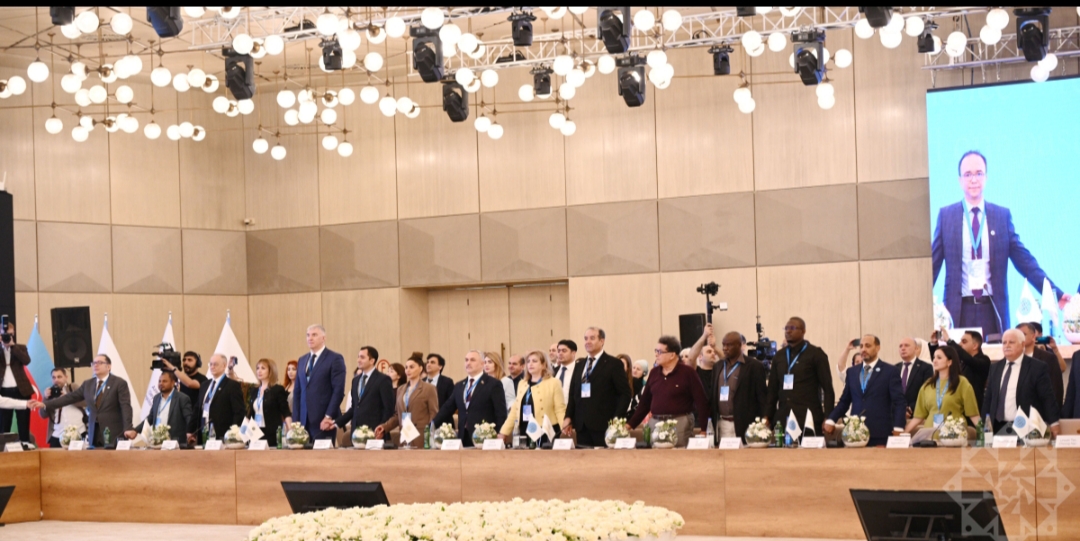
The landmark gathering, held as part of the ongoing Baku Urban Week on May 14, brought together representatives of non-governmental organisations, diplomats, policy experts, academics, climate advocates, and development practitioners from over 110 countries, making it one of the largest assemblies of civil society actors from the Global South in recent years.
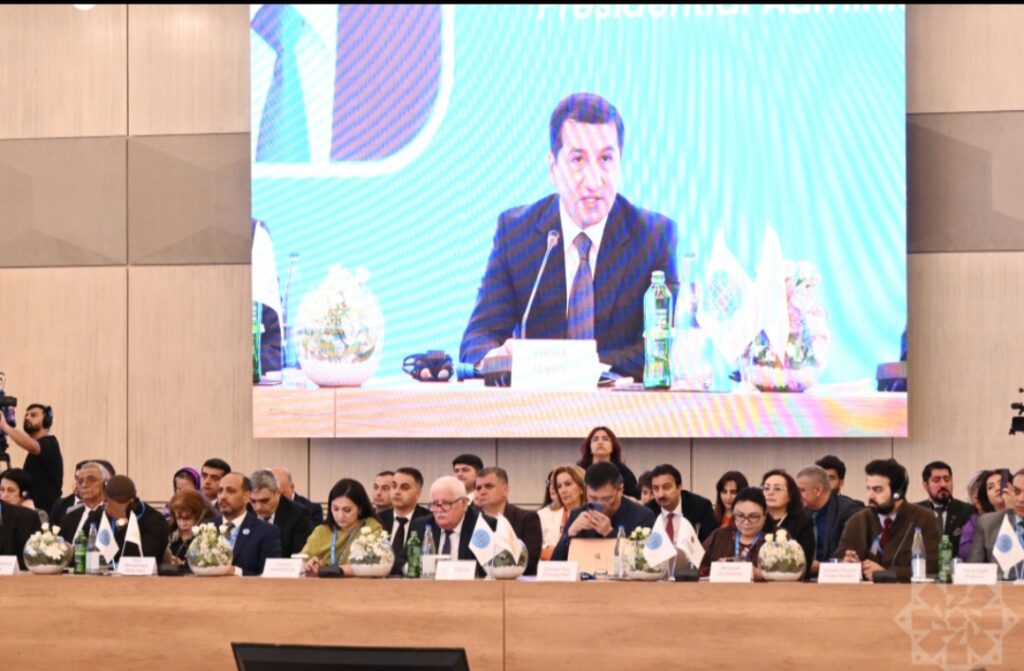
The event reflected growing international momentum among developing nations to build stronger partnerships capable of addressing common challenges such as climate change, urbanisation, inequality, food insecurity, digital exclusion, colonial legacies, and economic vulnerability.
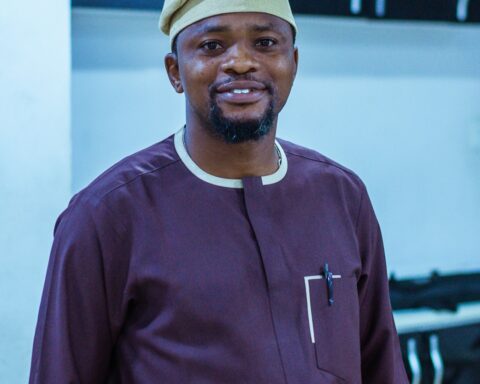
Nigeria was represented at the high-level gathering by climate activist and founder of the International Climate Change Development Initiative, Olumide Idowu, who participated alongside other global civil society leaders in discussions focused on sustainability, climate resilience, and inclusive development.
The General Assembly also marked a significant diplomatic and institutional milestone for Azerbaijan, which has increasingly positioned itself as a bridge between developing nations and a vocal advocate for Global South solidarity following its leadership of the Non-Aligned Movement and hosting of COP29 climate discussions.
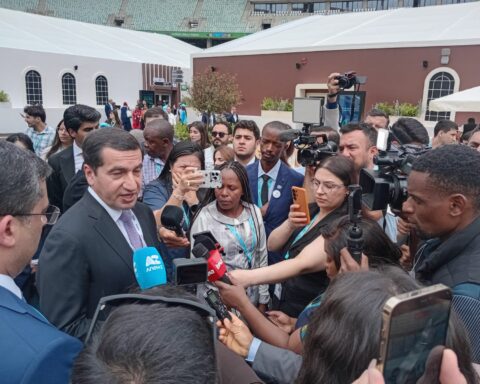
Speaking during the opening ceremony, Assistant to the President of Azerbaijan and Head of the Foreign Policy Affairs Department of the Presidential Administration, Hikmet Hajiyev, described the Global South as an increasingly influential force within international affairs.
According to him, Azerbaijan strongly identifies with the aspirations and historical realities of developing nations.
“Azerbaijan considers itself a part of the Global South. We are a part of the Global South geographically, historically, culturally, and also in terms of destiny,” Hajiyev stated.
He said Azerbaijan fully understands the historical and contemporary challenges confronting developing nations because the country itself experienced many of those difficulties throughout its post-independence history.
Hajiyev particularly highlighted the enduring impact of colonialism and neo-colonialism on developing countries, describing such practices as a stain on humanity.
“I would particularly like to emphasize the elements of colonialism and neocolonialism, which the Global South countries have suffered throughout their history. It is a stain on humanity, and we regretfully note that this practice still continues globally, taking on new forms and manifestations,” he said.
He recalled that Azerbaijan’s chairmanship of the Non-Aligned Movement between 2019 and 2022 prioritised advocacy against neo-colonial structures and unequal global systems.
Observers at the event noted that the growing emphasis on South-South collaboration reflects dissatisfaction among many developing countries over perceived inequities within global governance institutions, climate financing arrangements, and international economic systems.
The discussions in Baku came at a period when many developing nations continue to demand greater representation within international financial institutions while simultaneously grappling with debt pressures, inflation, climate disasters, and widening development gaps.
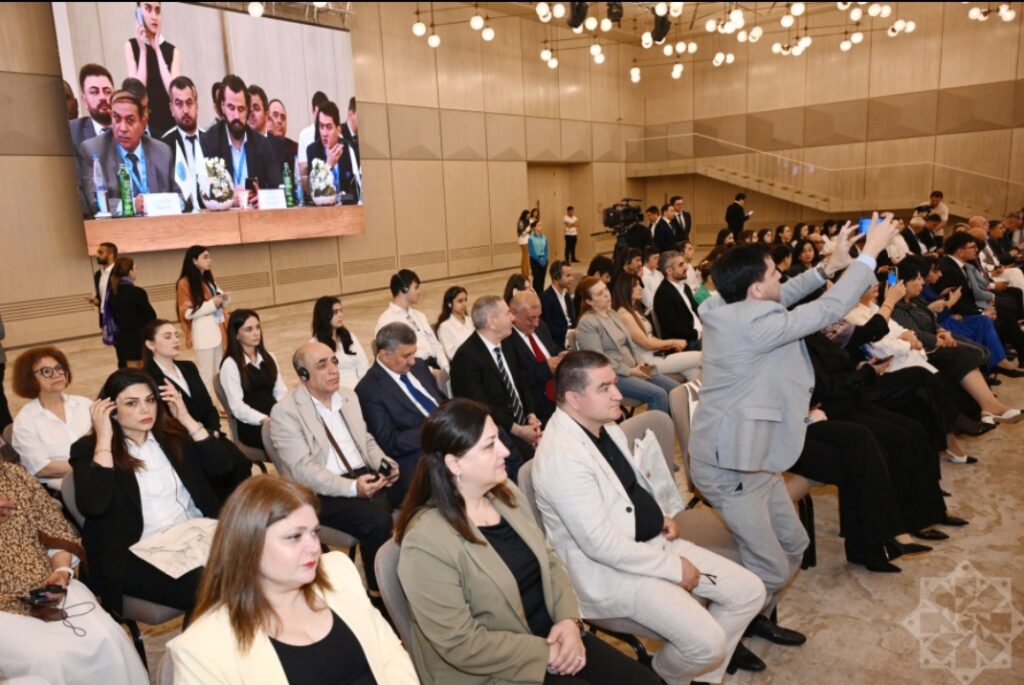
Speaking at the event, Mukhtar Babayev, Representative of the President of Azerbaijan for Climate Issues, said the General Assembly symbolised more than an institutional gathering.
According to him, the platform represents the continuation of solidarity and cooperation that gained momentum during COP29 hosted by Azerbaijan.
“Today’s meeting is not only an institutional milestone, but also a continuation of the spirit of solidarity, dialogue and cooperation that emerged during COP29 in Azerbaijan,” Babayev said.
He noted that the initiative reflects Azerbaijan’s commitment to strengthening international cooperation among developing nations.
“This platform is more than just a place for dialogue; it is a force for action. The holding of the General Assembly in Baku today is a clear indication that this vision has become a reality,” he added.
The United Nations also endorsed the initiative through a goodwill message delivered on behalf of the UN Secretary-General by Igor Garafulic, UN Resident Coordinator ad interim in Azerbaijan.
The message commended Azerbaijan’s efforts in promoting inclusive global dialogue and strengthening multilateral engagement.
“As the United Nations, we hail Azerbaijan’s ongoing efforts to promote multilateralism, international cooperation and inclusive participation at the global level,” the statement read.
The UN further described the Global South NGO Platform as an important mechanism for promoting solidarity, partnerships, and dialogue among developing countries.
The message also stressed the importance of fulfilling global development commitments while ensuring that no country or vulnerable population is left behind in the pursuit of sustainable development goals.
Other prominent speakers at the assembly included Executive Director of Azerbaijan’s Agency for State Support to Non-Governmental Organisations, Aygun Aliyeva; Director of the United Nations Office for South-South Cooperation, Dima Al-Khatib; President of the Advisory Board of the United Nations Institute of Training and Research, Luis Gallegos; Advisor to the President of Somalia and founder of the Sadar Institute, Mohamed Osman Mohamoud; and founder of the Swiss Global Institute for Water, Environment and Health, Nidal Salim.
Participants at the assembly repeatedly emphasised the need for stronger cooperation among countries of the Global South in addressing urbanisation, climate adaptation, migration, digital transformation, and access to development financing.
A major highlight of the event was the formal adoption of a framework document outlining the institutional structure and operational mechanisms of the Global South NGO Platform.
The framework is expected to guide collaboration among participating organisations while strengthening coordination on development advocacy, policy engagement, climate action, and sustainable urban governance.
Following the adoption of the framework, Azerbaijani civil society representative Fuad Karimli was elected Secretary-General of the Global South NGO Platform, meaning Azerbaijan will chair the platform for the next five years.
Regional deputy secretary-general positions were also announced during the General Assembly.
Climate and environmental advocate Mithika Mwenda from Kenya was elected Deputy Secretary-General for Africa, while Bobur Bekmurodov of Uzbekistan emerged for Asia, Luis Gallegos of Ecuador for Latin America, and Cecile Guidote-Alvarez of the Philippines for the Pacific region.
The event later transitioned into thematic panel sessions focused on global cooperation, urban development, climate resilience, and socio-economic inclusion.
One of the major sessions titled “Global South: Alignment of Positions and Strategic Cooperation” was moderated by Fuad Karimli.
Panelists including David Fernández Puyana, Ambassador and Permanent Observer of the United Nations University for Peace to the UN Offices in Vienna and Geneva; former UN-Habitat official Christian Mensah; former Mexican Ambassador to Azerbaijan Rodrigo Labardini; and Vice-Chancellor of Maasai Mara University, Peninah Aloo-Obudho, discussed the strategic importance of strengthening institutional cooperation among developing countries.
Speakers described the Baku gathering as evidence that civil society organisations within the Global South are becoming increasingly influential in shaping global conversations around development, governance, and sustainability.
They also stressed that economic inequality remains one of the most pressing challenges confronting developing nations despite decades of international development interventions.
Another panel session focused extensively on urbanisation and sustainable cities within the Global South.
Moderated by Nadima Rahimli from the Secretariat of the Global South NGO Platform, the session examined the rapid growth of urban populations and the urgent need for inclusive city planning.
Participants observed that more than half of the world’s population currently lives in urban centres, with projections indicating that figure could exceed 70 per cent within the next two to three decades.
Speakers argued that sustainable urban development cannot be achieved without inclusive economic systems, resilient infrastructure, affordable housing, public transportation, environmental sustainability, and social inclusion.
Experts further warned that climate change remains one of the biggest threats facing rapidly urbanising regions across Africa and Asia, especially communities already vulnerable to flooding, heatwaves, drought, displacement, and poor infrastructure.
For Nigeria and several African countries represented at the assembly, the discussions around climate resilience and sustainable urban development were particularly significant amid rising concerns over extreme weather events, food insecurity, energy access, and migration pressures linked to climate impacts.
Observers noted that the participation of Nigerian climate advocate Olumide Idowu at the event reflected the growing visibility of Nigerian civil society actors within global climate and sustainability conversations.
Idowu, through the International Climate Change Development Initiative, has been involved in youth climate advocacy, sustainable development campaigns, and climate education initiatives across Africa.
The assembly eventually concluded with the adoption of the final declaration of the First General Assembly of the Global South NGO Platform.
The declaration reaffirmed commitments to international solidarity, equitable development, climate justice, multilateral cooperation, and stronger collaboration among NGOs from developing countries.
Participants expressed optimism that the newly established platform would evolve into a major international voice advocating for the interests, priorities, and development aspirations of countries within the Global South.
For many delegates, the Baku assembly represented more than a diplomatic gathering; it symbolised a broader attempt by developing nations and civil society actors to redefine global cooperation from the perspective of inclusion, equity, and shared development priorities.
As geopolitical tensions, climate emergencies, and economic uncertainties continue to reshape the global landscape, participants argued that stronger alliances among countries of the Global South may become increasingly important in determining the future direction of international development and global governance.
By Dare Akogun