
Civil society organisations have intensified calls for greater inclusion in shaping the Africa’s urban development agenda, warning that exclusion of grassroots voices could undermine efforts toward sustainable and equitable cities.
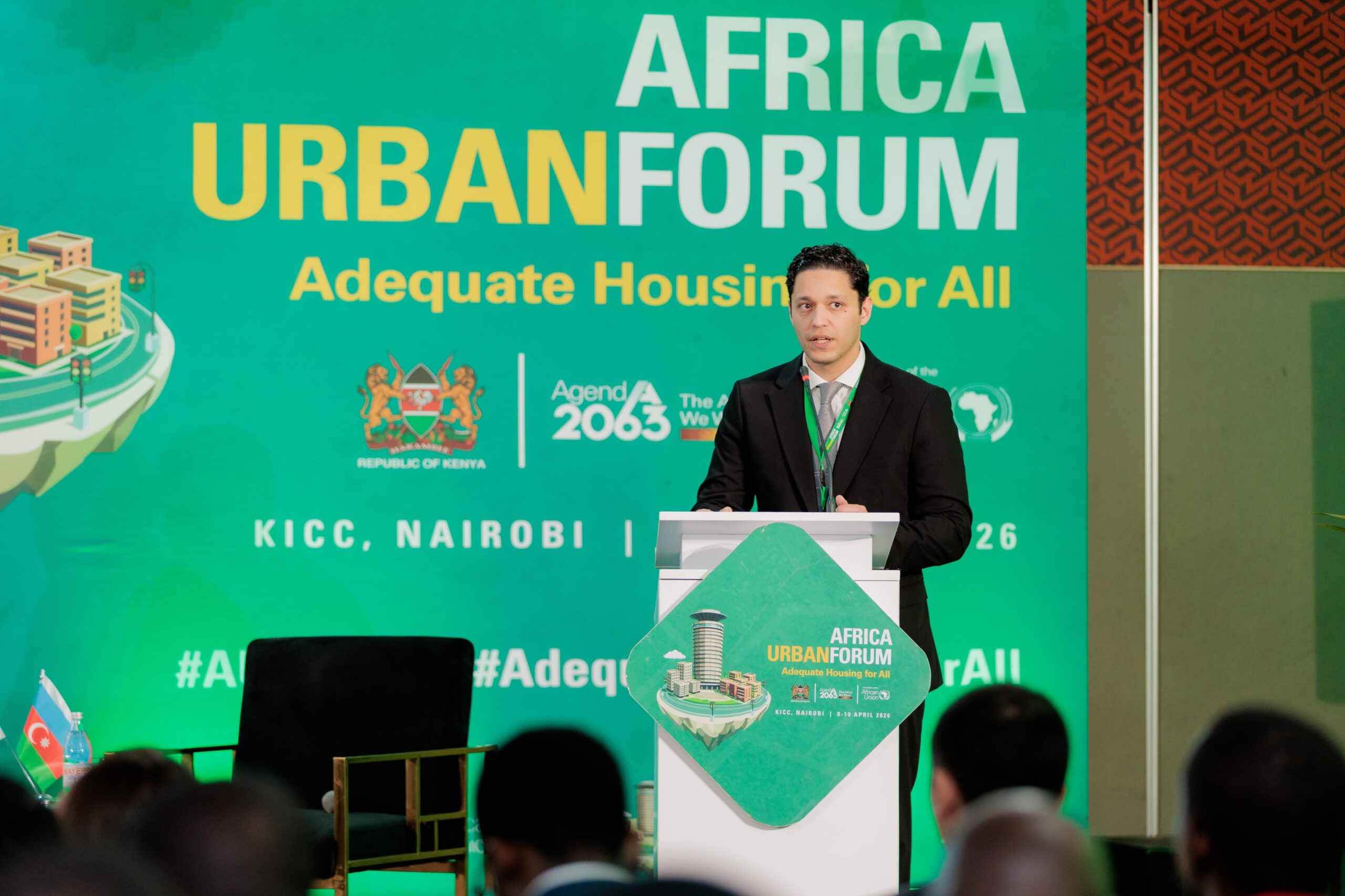
The demand was made during deliberations at the Second Africa Urban Forum held in Nairobi, where stakeholders from across the global south gathered to discuss the future of urbanisation, housing, and climate resilience in the world.
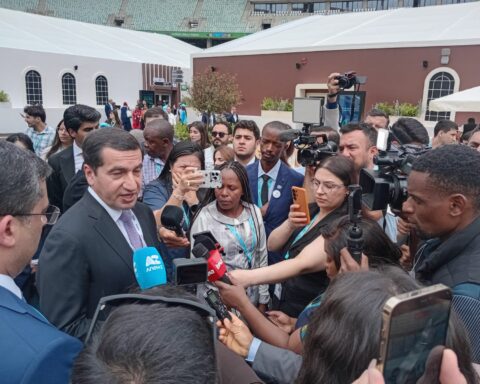
Speaking at a side event organized by the Global South NGO Platform, participants stressed that Africa’s urban future must be people-centred, inclusive, and reflective of the lived realities of communities at the grassroots.
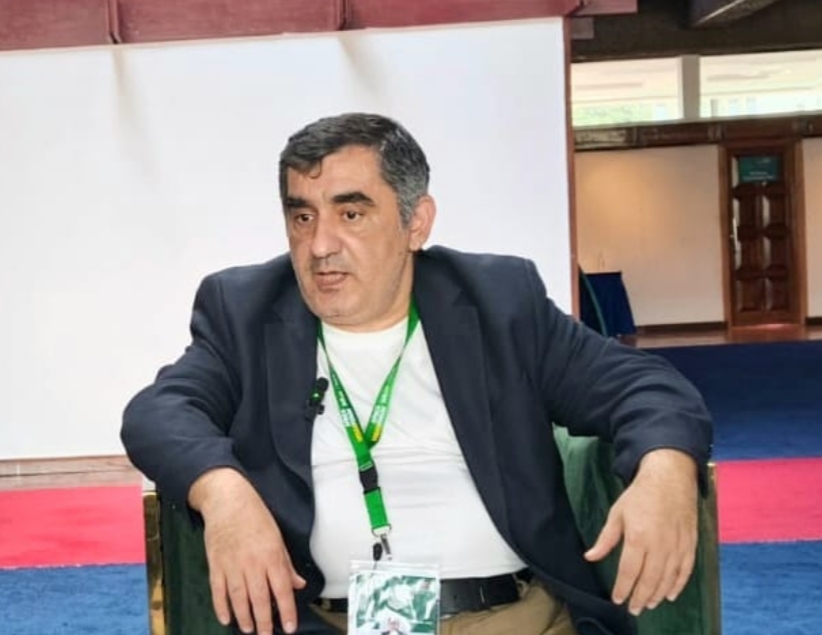
According to the Acting Secretary General of the group Ramil Iskandarli, “civil society must not be treated as an afterthought in urban governance,” insisting that meaningful participation is critical to designing policies that address real challenges faced by citizens.
“We cannot continue to design cities for the people without the people,” he said during a side session, adding that, “grassroots organisations understand the daily struggles in informal settlements better than anyone else.”
Iskandarli who is also the Chairman of Azerbaijan NGO forum warned that excluding civil society from decision-making processes weakens accountability and reduces the effectiveness of policies.
“Urban policies that exclude civil society often fail at implementation stage because they do not reflect realities on ground,”
He highlighted pressing urban challenges including housing deficits, expansion of informal settlements, climate vulnerability, and inadequate access to basic services such as water, sanitation, and transportation.
Arguing that their involvement is crucial in tackling these issues, particularly in underserved communities.
“Those living in informal settlements are not statistics; they are citizens whose voices must shape the policies that affect their lives,” he said.
He also called for stronger collaboration among governments, private sector players, and non-governmental organisations, noting that no single actor can address Africa’s urban challenges alone.
“We need a multi-stakeholder approach that brings everyone to the table government, private sector, and civil society if we are serious about building resilient cities,” the forum heard.
In addition, Iskandarli advocated the establishment of institutional frameworks that would formally integrate civil society contributions into urban planning and governance structures across African countries.
“There must be clear mechanisms that guarantee civil society participation, not just consultations that end in reports,” a speaker emphasised.
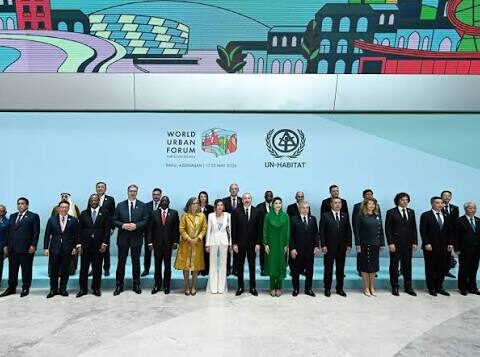
“As we head to Baku, the message from Africa is clear no inclusive urban future can be achieved without the active participation of civil society,” he concluded.
Africa is currently experiencing one of the fastest urbanisation rates globally, a trend that experts say presents both opportunities and risks if not properly managed.
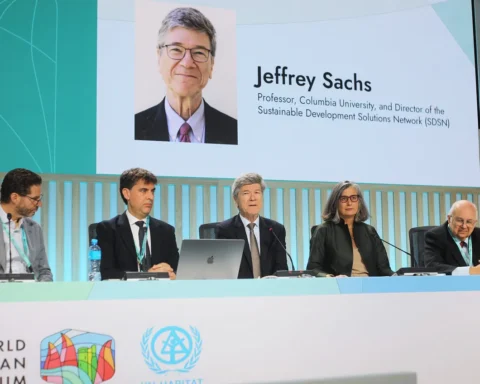
The outcomes of the forum are expected to contribute to continental frameworks, including the Nairobi Declaration, which will shape Africa’s position ahead of global engagements such as the upcoming World Urban Forum 13.
Observers say the discussions in Nairobi have set the tone for what is likely to be a major point of negotiation at the global stage, especially as African stakeholders push for equity, climate justice, and inclusive urban development.
By Dare Akogun