
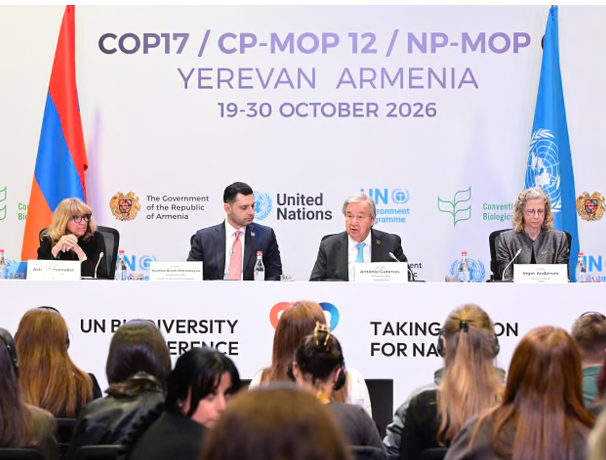
Governments participating in the 2026 United Nations Biodiversity Conference have announced more than $1.8bn in new biodiversity funding commitments, as global leaders face growing pressure to accelerate efforts to halt ecosystem destruction and meet international conservation targets by 2030.
The commitments, announced during the High-Level Segment of the conference, include government pledges, multilateral funding commitments and public-private financing initiatives.
However, ministers and international environmental organisations have warned that increased funding must be accompanied by stronger implementation, reforms to environmentally harmful subsidies and greater investment in activities that support biodiversity conservation.
The discussions are particularly significant for biodiversity-rich countries such as Nigeria, where forests, wetlands, mangroves, freshwater ecosystems and other natural resources face mounting pressures from land degradation, deforestation, pollution and unsustainable resource exploitation.
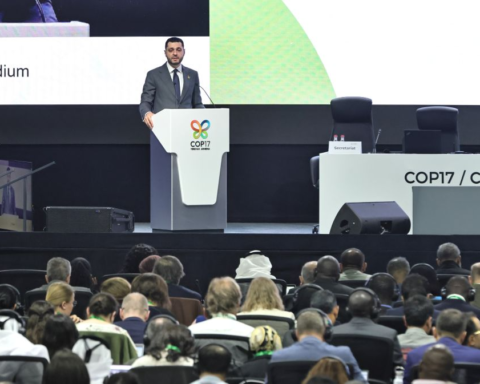
The High-Level Segment, which concluded on Wednesday, October 28, brought together approximately 1,500 participants, including nearly 140 ministers and deputy ministers and 40 heads of international organisations.
The segment formed part of the 2026 UN Biodiversity Conference, taking place in Yerevan, Armenia, which comprises the 17th Conference of the Parties to the Convention on Biological Diversity (COP17), alongside meetings under the Cartagena Protocol on Biosafety and the Nagoya Protocol on Access and Benefit-sharing.
The conference is scheduled to conclude on Friday, October 30.
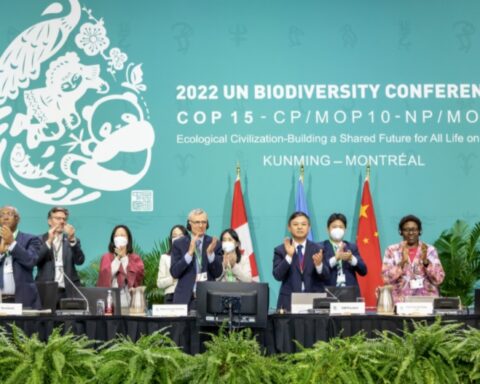
At the meeting, governments reaffirmed their commitment to the Kunming-Montreal Global Biodiversity Framework, the international agreement adopted in 2022 to halt and reverse biodiversity loss by 2030.
The framework contains 23 targets covering biodiversity conservation, sustainable resource management, ecosystem restoration, pollution reduction, climate-related pressures and biodiversity financing.
One of its most prominent commitments is the target to conserve at least 30 per cent of the world’s terrestrial, inland water, coastal and marine areas by 2030, alongside efforts to ensure that at least 30 per cent of degraded ecosystems are under effective restoration.
However, participants acknowledged that financial and implementation gaps continue to threaten progress towards these commitments.
The Executive Secretary of the Convention on Biological Diversity, Astrid Schomaker, said governments needed to accelerate action to address the difference between existing commitments and actual progress.
“My message: the time to close the gap between where we are and where we want to go is now,” she said.
She urged countries to demonstrate greater political commitment and find common ground on outstanding issues before the conference concludes.
Biodiversity financing was one of the central issues discussed during the High-Level Segment, with particular attention to Target 19 of the global framework, which calls for increased financial resources for biodiversity conservation and implementation.
Participants also called for the reform or elimination of subsidies that harm biodiversity, alongside increased incentives for activities that support ecosystem protection and restoration.
The discussions included the launch of the Yerevan Call on Positive Incentives for Biodiversity, an initiative intended to encourage policies and financial mechanisms that reward environmentally sustainable practices.
Other initiatives unveiled during the segment included the Yerevan Platform on Mountains and Related Freshwater Ecosystems, the Yerevan Technology Platform for Biodiversity Monitoring and the Yerevan OECM Global Hub.
The initiatives are intended to strengthen monitoring, improve cooperation and address implementation gaps identified in the global assessment of progress towards the Kunming-Montreal Global Biodiversity Framework.
The President of COP17, Hambardzum Matevosyan, said the political commitments made during the high-level discussions must translate into concrete decisions.
“We must now bring the same energy and political leadership into the negotiating rooms to turn our commitment here in Yerevan into lasting action for nature,” he said.
The Director of the UN Environment Programme’s biodiversity programme, Inger Andersen, also stressed the need to strengthen implementation and move beyond isolated conservation projects towards broader economic systems that protect ecosystems.
The discussions further highlighted the importance of updating National Biodiversity Strategies and Action Plans, which countries use to translate global biodiversity commitments into national policies, programmes and targets.
For Nigeria, the discussions underscore the importance of strengthening national biodiversity planning, improving conservation financing and ensuring that environmental policies are backed by measurable implementation.
The country is home to diverse ecosystems, including tropical rainforests, mangrove forests, freshwater wetlands and important coastal and marine habitats. These ecosystems support livelihoods, food production, water security and climate resilience, but face growing threats from deforestation, pollution, habitat destruction and unsustainable exploitation.
The conference’s emphasis on reforming harmful subsidies and increasing positive incentives also raises questions about how governments can align economic policies with biodiversity protection, particularly in sectors where poorly managed activities contribute to environmental degradation.
Participants also stressed that conservation efforts must involve local communities and respect the rights, knowledge and leadership of Indigenous Peoples and other rights-holders.
Meanwhile, negotiations continued after the High-Level Segment, with governments working to resolve outstanding issues and reach agreement on key decisions before the conference concludes on October 30.
The outcome of the negotiations is expected to influence the next phase of international efforts to implement the global biodiversity framework and mobilise the resources required to protect ecosystems.
With less than four years remaining until the 2030 deadline, the challenge facing governments is increasingly clear: translating international commitments and financial announcements into measurable action capable of protecting nature and sustaining the communities that depend on it.
By Dare Akogun