
As the creative industry prepares to celebrate its most purpose-driven year yet, the distance between a gold Lion and a functioning water pipe has never felt wider.
In the last week of June, somewhere between 15,000 and 16,000 people creative directors, brand strategists, tech founders, and media executives will descend on a small city on the French Riviera for the most influential gathering in global communications.
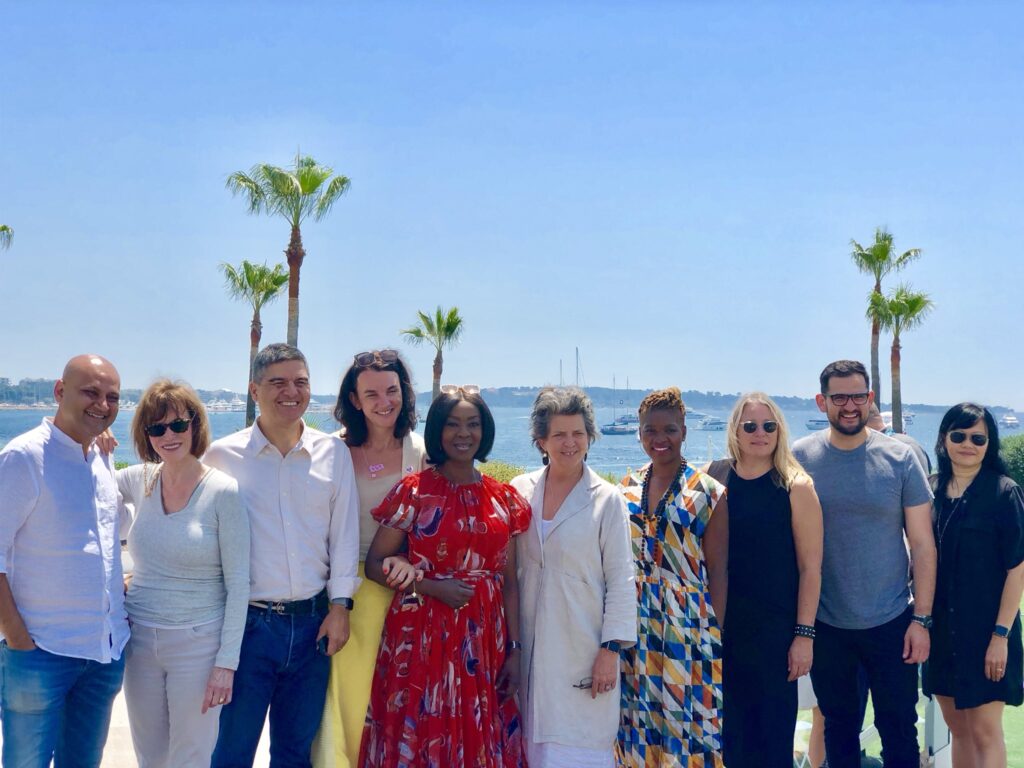
Cannes Lions 2026 promises more than 150 hours of programming and approximately 500 speakers. The headline moment: Oprah Winfrey walking onto the Lumière Theatre stage to receive the LionHeart Award, a recognition reserved for those who have used their platform to create meaningful and lasting societal change.
It will be beautiful. It will be moving. And somewhere in Owerri, in Imo State, Nigeria, a government official will sit down at a desk and try to figure out why, with just four years left before the 2030 Sustainable Development Goals deadline, those goals still feel less like an agenda and more like a wish list.
This is not a story about cynicism. It is a story about a structural gap between the art of communicating change and the much harder, slower, less glamorous work of actually producing it. Practitioners call it the implementation gap. In 2026, it is wider than it has ever been.
The 2025 Cannes Lions cycle produced two campaigns that have since become reference points for what creative work can genuinely accomplish.
The first, “The Best Place in the World to Have Herpes,” developed by FINCH and Motion Sickness for the New Zealand Herpes Foundation, did something decades of public health messaging had failed to do: it made stigma a matter of national conversation by reframing public health as an act of patriotism.
If New Zealand could be the best at rugby and pandemic response, why not at eliminating shame around a condition affecting one in eight people globally? The campaign generated measurable changes in public attitudes and a significant increase in people seeking support. The Grand Prix for Good was awarded unanimously.
The second, Natura’s Amazon Greenventory by Africa Creative DDB, demolished the idea that profit and Amazon preservation are fundamentally at odds not by arguing the point, but by demonstrating it. Working with forest communities, the agency developed a comprehensive inventory of the rainforest’s economically valuable biodiversity, proving that sustainable revenue does not require a single tree to fall. Jury president Josy Paul described it as work that “doesn’t just create impressions but leaves a lasting impression on the world.”
Both campaigns share a critical feature: they did not communicate about change. They were the mechanism of change. That distinction is everything.
Last week, four candidates for UN Secretary-General gathered at Methodist Central Hall in Westminster the very room where the first UN General Assembly met in 1946 to lay out their visions for the world’s most important multilateral institution. What emerged was less a vision than an acknowledgement of failure.
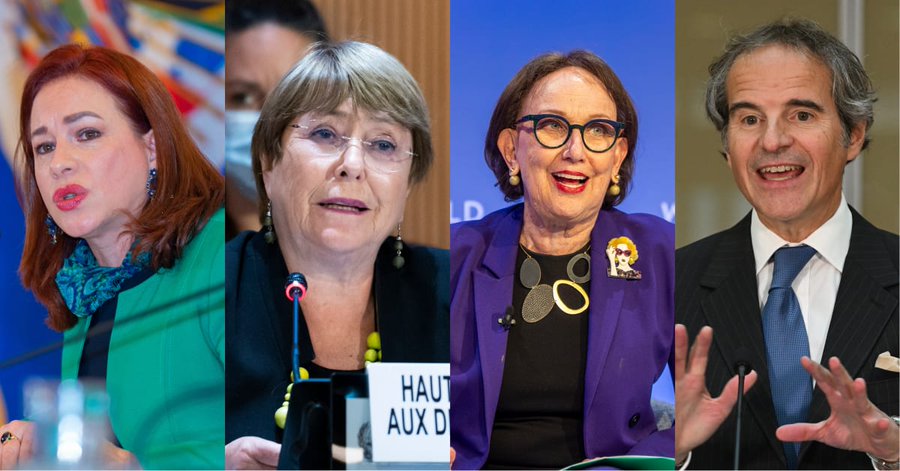
Rafael Grossi, Director General of the IAEA, was candid: “We see a fundamental crisis of confidence in the United Nations.” Rebeca Grynspan, Secretary-General of UNCTAD, added: “The UN has to reform it has to be more agile, more flexible, more nimble.”
They are right. They are also speaking in the same vague, friction-free language of reform that has accompanied every UN crisis for thirty years. The creative industry now demands measurable societal impact before it hands out its top awards. The UN is still negotiating what accountability might look like.
The reality: what happened in Owerri
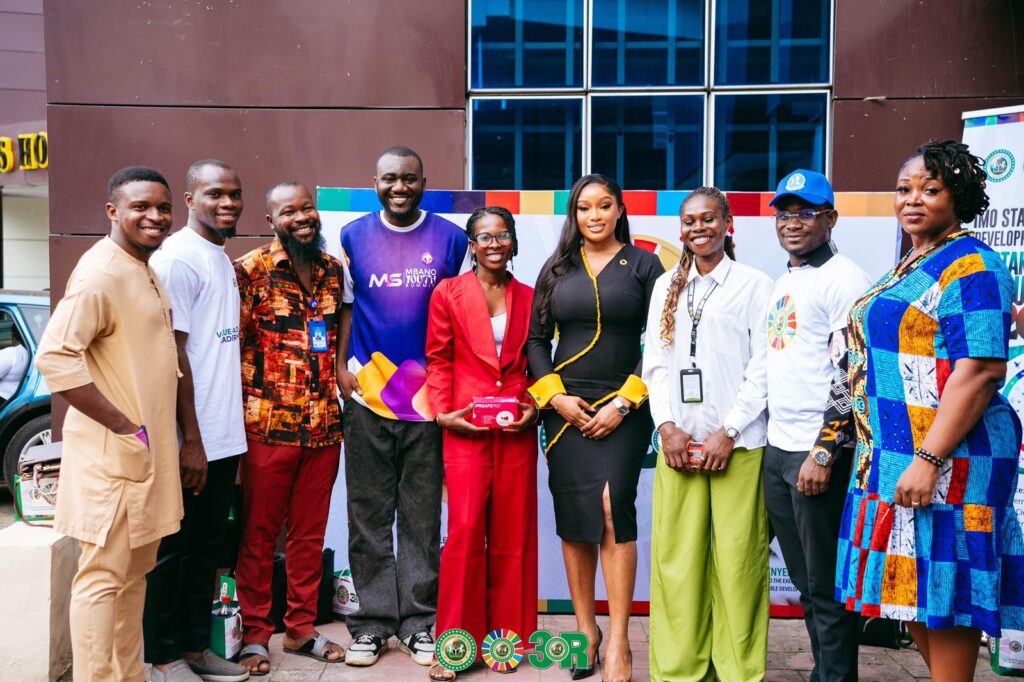
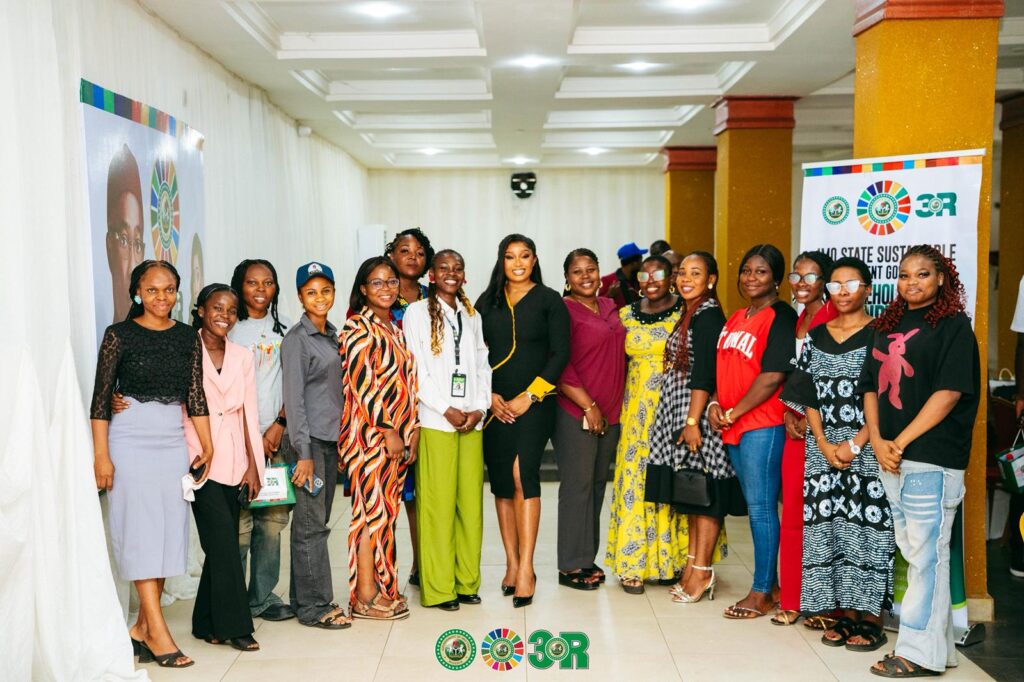
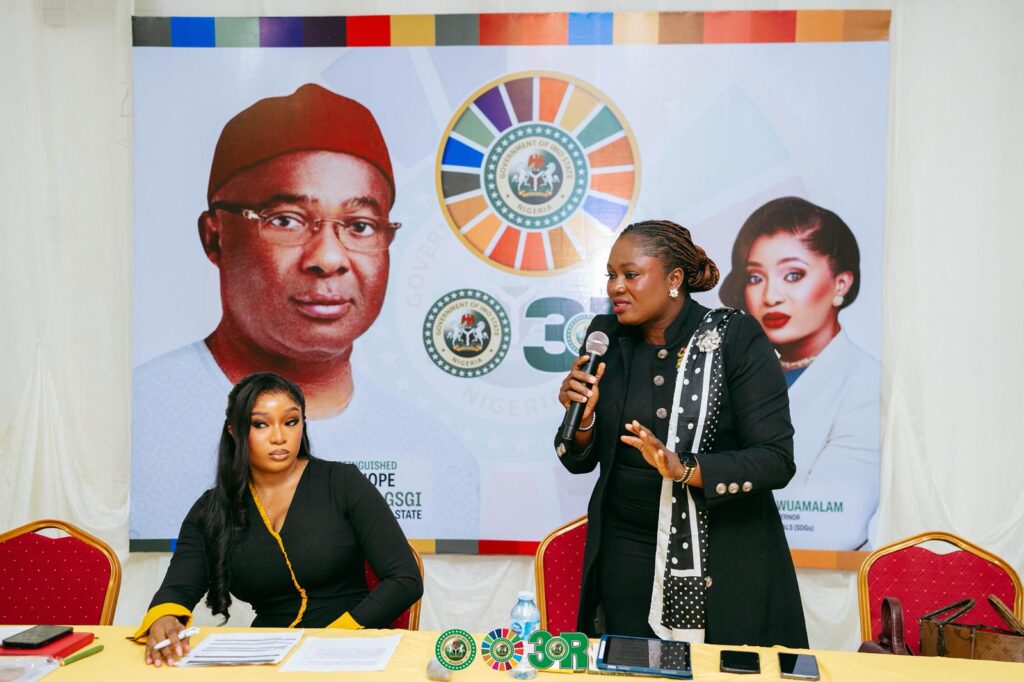
In May, the Imo State Government convened its inaugural SDGs Stakeholders’ Roundtable NGOs, civil society groups, student unions, and government officials mapping the distance between Nigeria’s development ambitions and its current trajectory. No international coverage.
No award nominations. Just the grit-under-the-fingernails work of identifying funding gaps, building partnerships, and figuring out who gets left behind and why.
The contrast is not simply one of resources or attention. It is a contrast between two theories of change. The creative industry has proved that shifting culture shifts behaviour, and that shifting behaviour at scale shifts systems.
The SDG framework assumes that agreed targets plus political will produces coordinated action. Neither theory is wrong. Both are incomplete without the other.
The 2030 deadline is not a metaphor. The world’s best storytellers have proved they can make a nation care about herpes, about the Amazon, about beauty standards and self-esteem.
The question now is whether that same creative energy the instinct to find the human truth and tell it boldly will be turned toward the people doing the hardest work in the hardest places, not as a campaign, but as a genuine transfer of capability.
Creativity is a tool, not a trophy. It is time we stopped polishing it and started using it to fix the actual machine.
By Chaste Inegbedion
Chaste Inegbedion is an AI and climate journalist, social impact innovator, and Global Editor-at-Large at DA News with over 10 years of experience across technology, media, civic engagement, and global development. He is the Founder of Semaform Foundation and ConcordeApp, advancing conversations around AI, sustainability, gender equity, and the future of global collaboration.