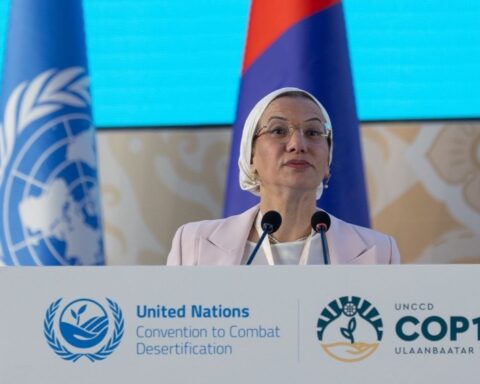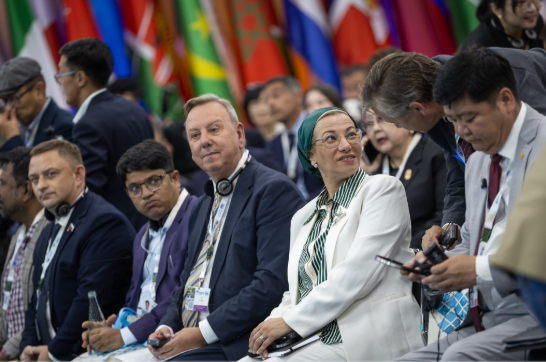

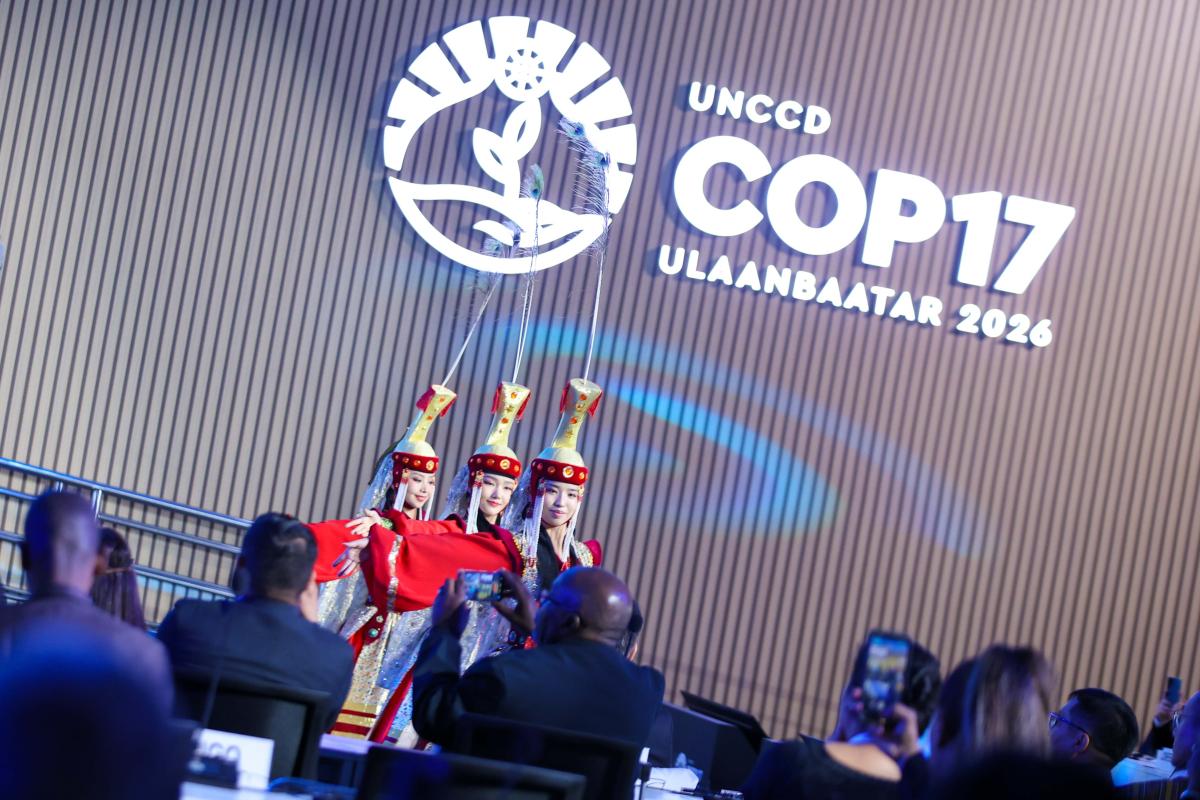
Experts in food systems, agriculture, land use and environmental policy have expressed mixed reactions to the outcome of the 17th Conference of the Parties to the United Nations Convention to Combat Desertification, which ended in Ulaanbaatar, Mongolia, on Friday.
While they welcomed the mobilisation of $1.3bn for land restoration and drought resilience across 23 countries, the experts criticised the failure of countries to agree on a legally binding drought protocol or framework with mandatory funding.
Negotiations on the proposed drought instrument have been deferred to the 18th session of the UNCCD COP in 2028 after opposition from a number of governments.
The outcome has raised concerns among farmers, pastoralists and environmental groups, particularly as drought, land degradation and declining agricultural productivity continue to threaten food security and livelihoods in vulnerable regions.
Haseeb Bakhtary, a food systems, agriculture and land-use expert at Climate Focus, described the failure to reach an agreement as the result of opposition by a handful of governments rather than a failure of the UNCCD process.
He said most countries recognised the importance of land and food systems in addressing climate change, biodiversity loss and food insecurity, adding that governments, civil society organisations, farmers, herders, pastoralists, young people and the private sector would continue to advance the commitments reached at the conference.
“The lack of decision at this COP is not a failure of the UNCCD; it’s a failure of a handful of governments who blocked progress,” Bakhtary said.
He said the push for greater coordination among the Rio Conventions and increased financing for land and soil represented a significant achievement despite the failure to conclude negotiations on the drought protocol.
However, Esther Penunia, Secretary-General of the Asian Farmers Association, which represents about 13 million small-scale family farmers, fishers, indigenous peoples, herders and forest users, said the delay would leave communities facing drought without adequate international guarantees.
Penunia said the failure to adopt the drought protocol meant there would be neither a guaranteed funding mechanism nor a legal obligation for governments to act for another two years.
“The failure to adopt the drought protocol means no guaranteed funding and no legal requirement to act for two more years,” she said.
She, however, welcomed the $1.3bn financial commitments, but warned that mechanisms must be established to ensure the money reaches farmers and pastoralist communities directly.
According to her, direct access to finance is critical to enabling farmers and pastoralists to expand sustainable agricultural practices, including agroecology, which can restore degraded land and protect food production.
Joao Campari, Global Food and Agriculture Leader at WWF International, also described the outcome as mixed, saying the elevation of rangelands, grasslands and nature-positive agriculture provided fresh hope despite the lack of progress on drought.
Campari said the conference had created important momentum but warned that declarations and commitments would have little value unless translated into action in affected communities.
“COP17 has laid strong foundations but the focus must now shift to implementation on the ground and supporting local communities to deliver lasting benefits for all,” he said.
Christine Colvin, Global Head of Freshwater Policy at WWF, was more critical of the drought negotiations, describing the failure to secure a stronger agreement as deeply disappointing.
She said the lack of a meaningful outcome on drought meant countries did not leave the conference with a stronger international framework for tackling the growing crisis.
“It is deeply disappointing that ambition on drought dried up. A meaningful outcome hasn’t been delivered,” Colvin said.
She nevertheless noted that discussions among governments, civil society organisations and financial institutions outside the formal negotiations could sustain efforts to improve drought preparedness and resilience.
The experts’ reactions came as the UNCCD announced that governments, development banks, funds and companies had mobilised a $1.3bn portfolio for land restoration and drought resilience across 23 countries.
Of the amount, $644.5m was identified as new finance, with $216.4m already confirmed and moving towards implementation.
The funding is expected to support rangeland and landscape restoration, drought resilience and locally led adaptation initiatives.
The conference also placed rangelands at the centre of the global land agenda, with the Rangelands Flagship Initiative bringing together $1.2bn across 45 projects.
Rangelands cover about 54 per cent of the Earth’s land surface, support approximately two billion people and are home to livelihoods dependent on pastoralism and livestock production.
The conference also recorded progress towards greater coordination among the three Rio environmental conventions covering climate change, biodiversity and desertification.
Turkey, which will preside over the COP31 climate summit, is expected to lead a Rio Synergies Group for Action aimed at helping countries develop more coherent climate, biodiversity and land-use plans while reducing duplication and reporting burdens.
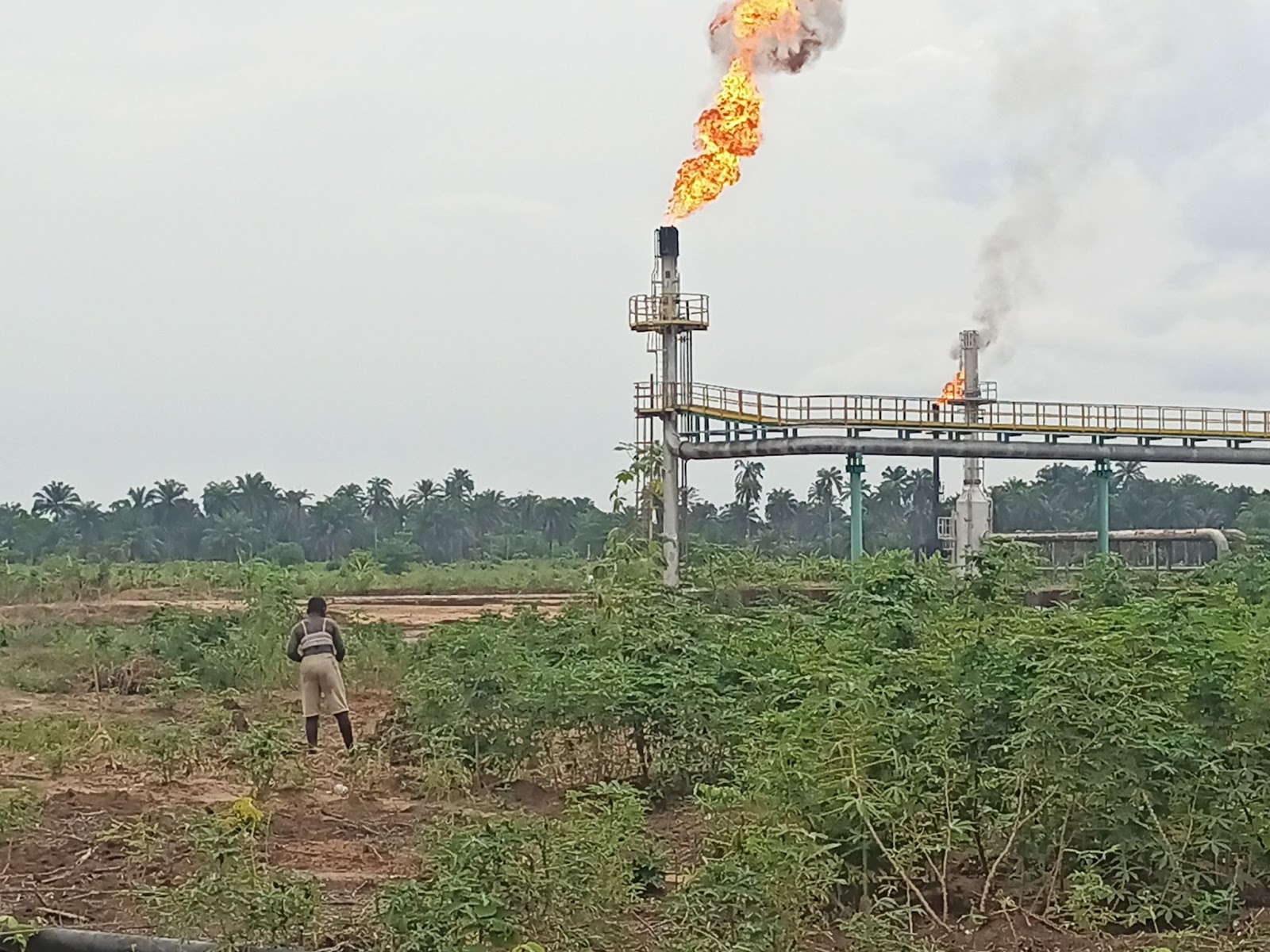
For Nigeria and other African countries vulnerable to drought, desertification and declining agricultural productivity, the experts’ concerns underline the need for governments to pursue domestic action while awaiting a global agreement.
The continent faces mounting pressure from land degradation, erratic rainfall and drought, with implications for food production, pastoral livelihoods, water security and rural economies.
The outcome of ctherefore leaves countries with increased financial commitments and stronger partnerships, but without the legally binding international drought framework that many developing countries had sought.
The next opportunity to resolve the outstanding issue will come at COP18, scheduled to take place in Egypt in 2028.
By Dare Akogun