
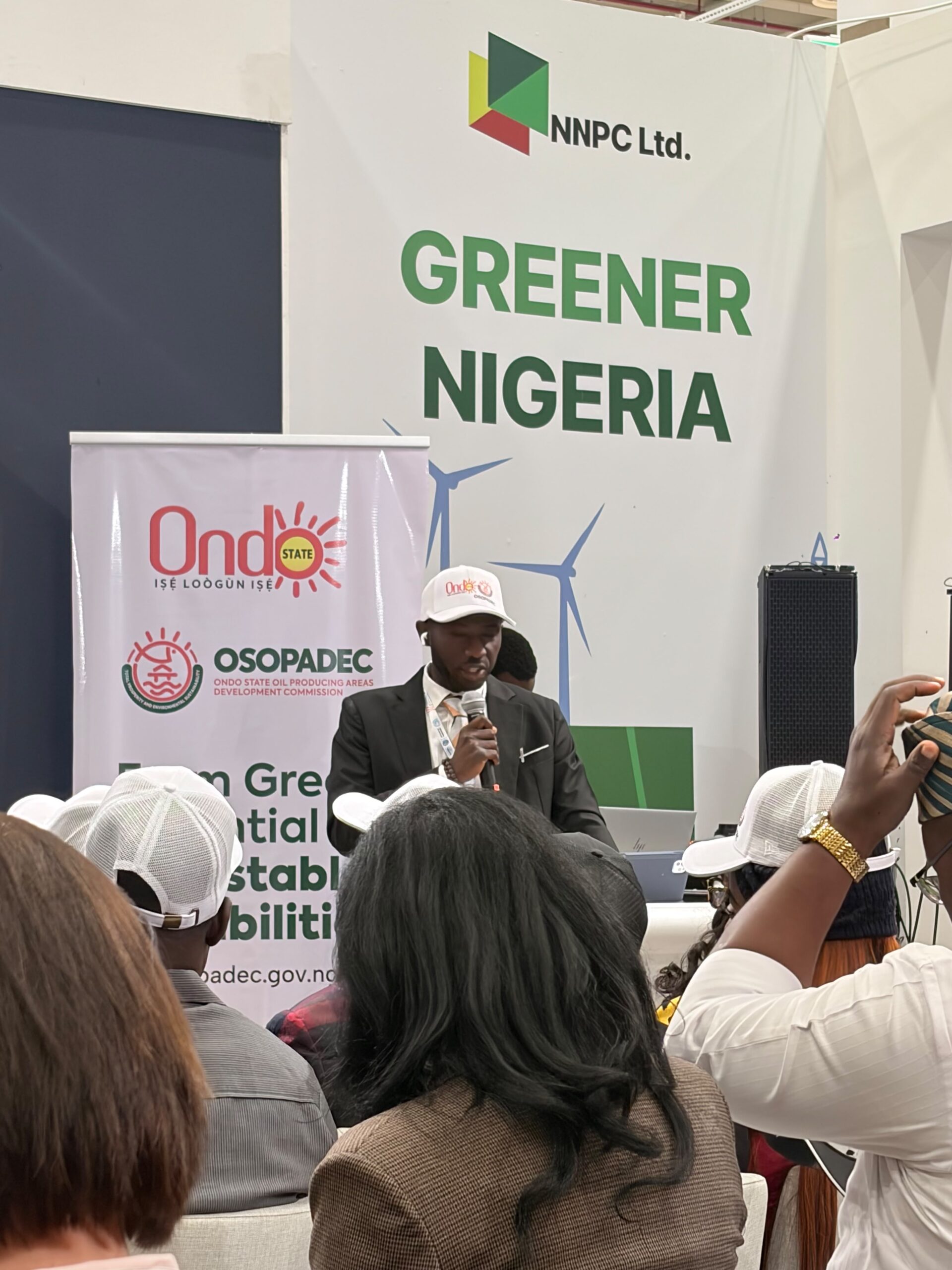
The lead technical partner to the Ondo State Oil Producing Areas Development Commission, Dr Samuel Babatunde, has said the commission is yet to commence full-scale shoreline protection work in Ayetoro, despite ongoing technical assessments and efforts to secure funding for the erosion-threatened coastal community.
Babatunde said OSOPADEC was working towards a properly funded programme covering shoreline protection, mangrove restoration, livelihood support and possible relocation of residents from areas where continued settlement was unsafe.
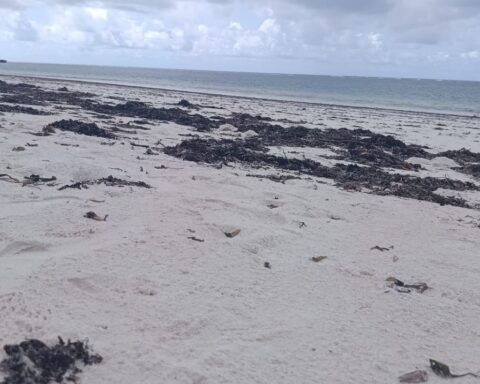
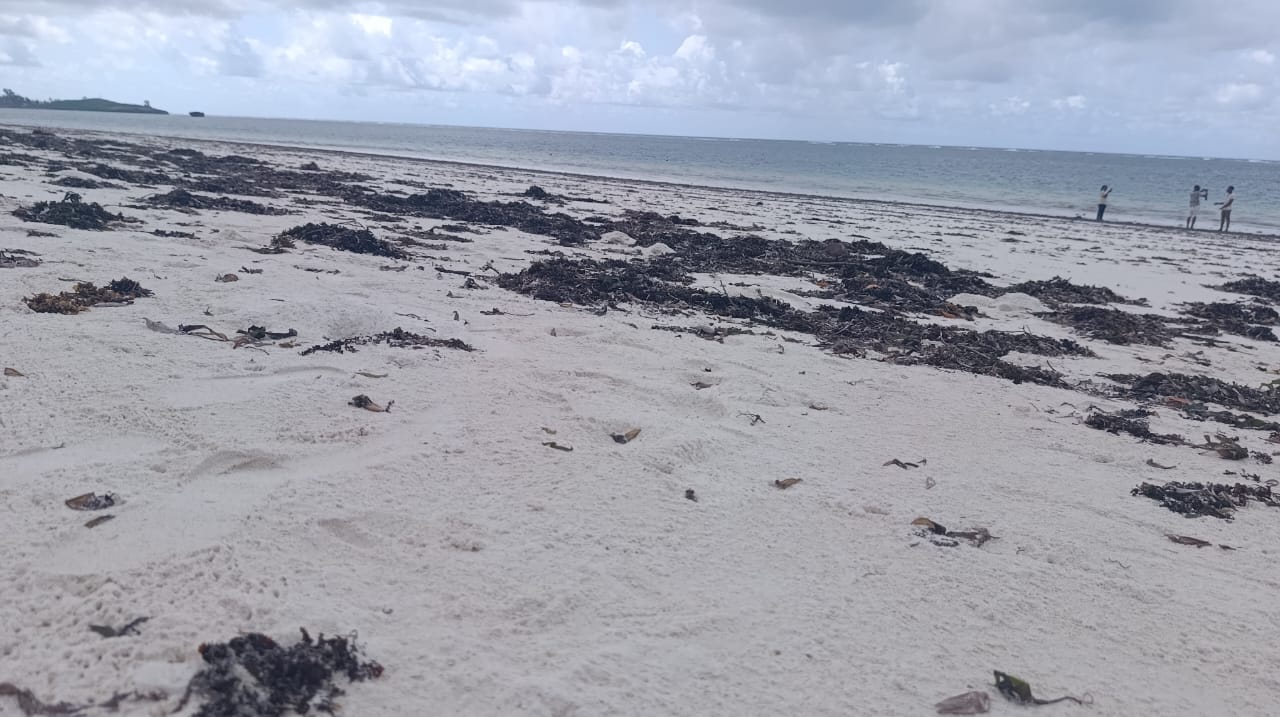
Ayetoro, in the Ilaje Local Government Area of Ondo State, has suffered years of severe coastal erosion, which has destroyed homes, schools and other community infrastructure.
Speaking in an exclusive telephone interview on Monday, on the sidelines of a session on financing coastal resilience at the ongoing 31st United Nations Climate Change Conference in Antalya, Türkiye, Babatunde said marine engineers had assessed Ayetoro and neighbouring coastal corridors ahead of technical evaluations for reclamation and shoreline protection.
“Is full-scale protection fixed in the ground today? Not yet,” he said. “COP31 was about turning years of appeals into a funded, studied, accountable plan.”
Babatunde, who is also the Managing Consultant of SmitBridge Consulting, said OSOPADEC had also inspected completed sea-defence projects in Ghana, while the commission’s chairman announced a pilot programme involving solar mini-grids and safe coastal transport at COP31.
He added that the Senate had resolved to pursue comprehensive and properly funded shoreline protection, alongside a transparent review of previous contracts.
Babatunde said satellite analysis showed that parts of the Ayetoro coastline experienced erosion of more than 10 metres annually between 2010 and 2020, while large areas of mangrove swamp had disappeared.
He warned that the damage threatened not only buildings but also fisheries, biodiversity and the livelihoods of residents.
“Mangroves are the nursery of the fishery. Many fish, shrimp and crab species spend their early life among those roots. Lose the nursery and catches fall, which hits the main livelihood in Ayetoro,” he said.
He added that seawater intrusion and rising salinity were weakening plants and aquatic species that sustained the coastal food chain.
The consultant identified land clearing, sand mining, invasive nipa palm and the cutting of mangroves for fish smoking as additional pressures on the ecosystem.
He warned that the complete loss of mangroves would remove a natural buffer against waves, accelerate erosion, reduce fish stocks and release carbon stored in the soil.
He also said the degradation of Ayetoro’s wetlands threatened migratory birds, including whimbrels and curlews that travel from parts of Europe.
On whether Akodo-Ise in Ibeju-Lekki, Lagos State, could avoid a similar fate, Bamidele said the community still had an opportunity to protect its coastline but required urgent and coordinated intervention.
He noted that major developments around the Lekki corridor, including the Dangote Refinery and Lekki Port, had increased the need for effective coastal management.
According to him, port breakwaters can disrupt the natural movement of sand along the shoreline, triggering erosion in areas further down the coast.
“The engineers’ own project documents say so. They also say periodic sand top-ups and defences on the eastern side are needed to manage it,” he said.
Babatunde said protecting Akodo-Ise would require detailed shoreline studies, integrated engineering, mangrove restoration, community participation and long-term maintenance.
He also argued that private investors operating around the Lekki corridor should share responsibility for coastal protection with the government and affected communities.
On how to finance infrastructure that does not generate direct commercial returns, Bamidele said governments and concessional climate funds should pay for public projects such as seawalls, while commercial banks could finance businesses that become viable once coastal communities are protected.
He listed solar mini-grids, fish cold storage, safe water transport, aquaculture and boat-building as potential investments capable of generating revenue and attracting commercial financing.
Development partners, he added, could provide guarantees and first-loss capital to reduce investment risks, while blue-carbon revenue from healthy mangroves could eventually offer another source of funding.
“The honest point is that money follows preparation. No project cost should be announced before engineering and feasibility studies are done. Investors don’t fund appeals. They fund credible, studied projects with clear governance,” he said.
He said the financing process should begin with project preparation grants, followed by adaptation grants and concessional finance for demonstration projects, before blended finance was introduced to support expansion.
Babatunde maintained that Ayetoro’s protection should not depend solely on commercial loans, stressing that shoreline defence was a public good requiring government funding and international climate support.
By Dare Akogun