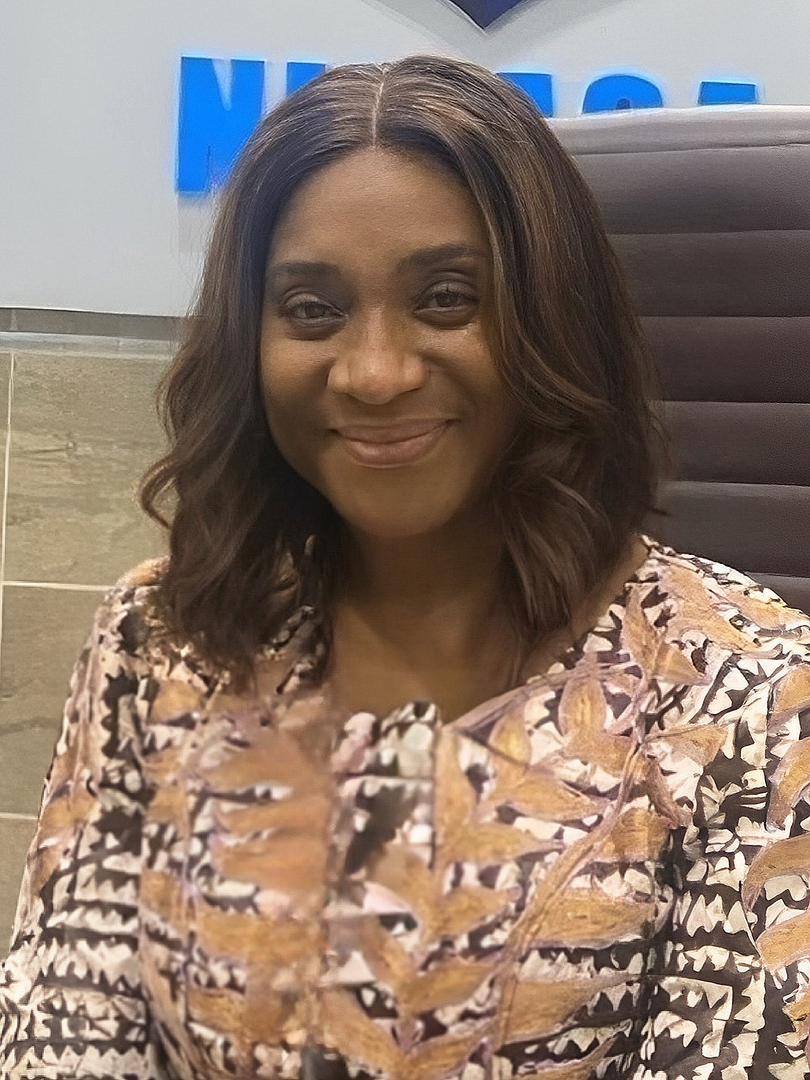


As global leaders prepare to gather in Mombasa, Kenya, for the 11th Our Ocean Conference, climate and biodiversity advocate, Olumide Idowu, has urged Nigeria to place coastal communities, biodiversity protection and environmental justice at the centre of its ocean governance agenda.
Idowu, who is the Executive Director of the International Climate Change Development Initiative, while speaking with DA News said the conference presents a critical opportunity for Nigeria to move beyond policy commitments and demonstrate practical leadership in protecting marine ecosystems and vulnerable coastal populations.
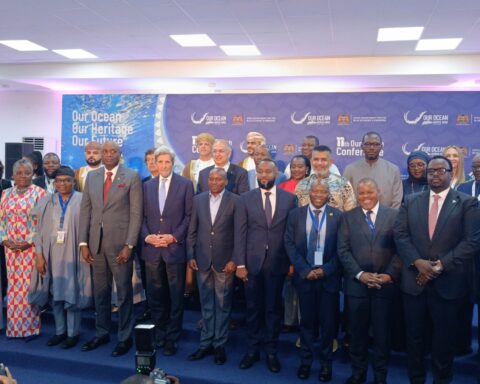
The Our Ocean Conference, scheduled to hold from June 16 to 18 in Mombasa, will be the first edition of the global event hosted on African soil. The conference, themed “Our Ocean, Our Heritage, Our Future,” is expected to bring together governments, scientists, civil society groups, development partners and private sector actors to accelerate global action on ocean conservation and sustainable blue economy development.
Speaking ahead of the conference, Idowu said discussions in Kenya would be particularly significant for African countries facing increasing threats from climate change, biodiversity loss, coastal erosion and marine pollution.
According to him, Nigeria’s participation should focus on addressing the widening gap between international environmental commitments and realities faced by communities living along the country’s coastline.
“Environmental justice requires that the people most affected by ecological decline have a voice in decisions that affect their lives and livelihoods. Conservation cannot be successful if it ignores the rights and realities of frontline communities,” he said.
Nigeria possesses more than 850 kilometres of coastline stretching across Lagos, Ogun, Ondo, Delta, Bayelsa, Rivers, Akwa Ibom and Cross River states. Millions of Nigerians depend directly on marine and coastal resources for fishing, transportation, tourism and economic activities.
However, environmental experts have repeatedly warned that these communities face mounting threats from coastal erosion, flooding, oil pollution, mangrove degradation, overfishing, sand mining and rapid urban expansion.
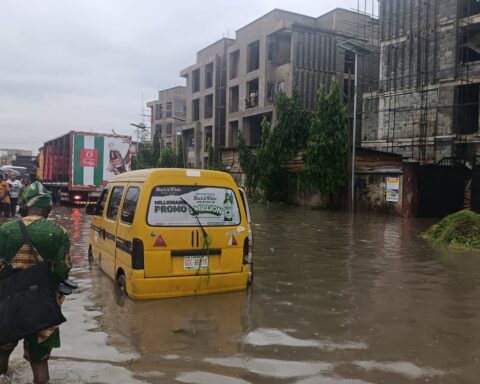
In Lagos, Africa’s most populous city, recurrent flooding and coastal erosion continue to threaten vulnerable communities, while in the Niger Delta, decades of oil exploration have left many fishing communities struggling with environmental degradation and declining livelihoods.
Idowu noted that despite Nigeria’s commitments under various international agreements on biodiversity conservation, climate action and sustainable ocean management, many coastal communities continue to experience environmental degradation with limited involvement in decision-making processes.
“The contradiction between international commitments and domestic realities remains evident. Across many coastal communities, development projects often proceed without adequate environmental safeguards or meaningful consultation with local populations,” he said.
The climate advocate argued that the upcoming conference should serve as a platform for Nigeria to champion community-centred conservation approaches that recognise local knowledge and strengthen the participation of indigenous and coastal communities in environmental governance.
He stressed that healthy marine ecosystems are not only important for biodiversity protection but also serve as natural barriers against climate impacts such as flooding, storm surges and coastal erosion.
According to him, the restoration and protection of mangroves, wetlands and other critical coastal ecosystems should be prioritised as part of the country’s climate adaptation strategy.
“Mangroves and wetlands provide critical ecosystem services. They support fisheries, protect communities from extreme weather events and store significant amounts of carbon. Protecting these ecosystems is both an environmental and economic necessity,” he said.
Idowu further called for increased investment in sustainable blue economy initiatives capable of creating jobs while safeguarding marine resources for future generations.
He said efforts to develop Nigeria’s blue economy must be accompanied by stronger environmental regulations, effective monitoring systems and measures to prevent destructive activities that undermine ecosystem health.
The environmental advocate also urged policymakers to strengthen pollution control measures, expand marine protected areas and improve enforcement against illegal activities threatening coastal ecosystems.
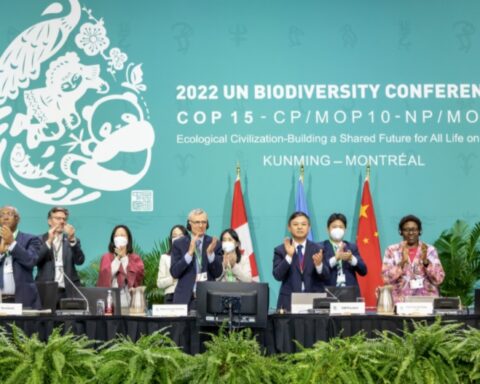
With the world counting down to the Convention on Biological Diversity’s COP17 scheduled to hold later this year in Armenia, Idowu said the Mombasa conference would provide an important opportunity for countries to demonstrate their commitment to translating global biodiversity targets into concrete actions.
“The discussions in Mombasa and later at COP17 will provide an opportunity for countries to show that conservation is not just about protecting ecosystems on paper. It is about protecting people, livelihoods and cultures.
“For Nigeria, this is the moment to demonstrate leadership by embracing inclusive conservation approaches that place communities at the centre of ocean and biodiversity protection,” he said.
By Dare Akogun
This story was produced as part of the 2026 Our Ocean Conference Fellowship organized by Internews’ Earth Journalism Network’