

As global leaders prepare to converge on Mombasa, Kenya, for the 11th Our Ocean Conference scheduled for June 16 to June 18, the Nigerian Maritime Administration and Safety Agency says stronger collaboration, reliable emissions data, technology transfer and climate finance will be critical to achieving net-zero emissions in the maritime sector.
NIMASA added that developing countries, particularly in Africa, cannot successfully navigate the global transition to cleaner shipping without coordinated international support and strategic partnerships.
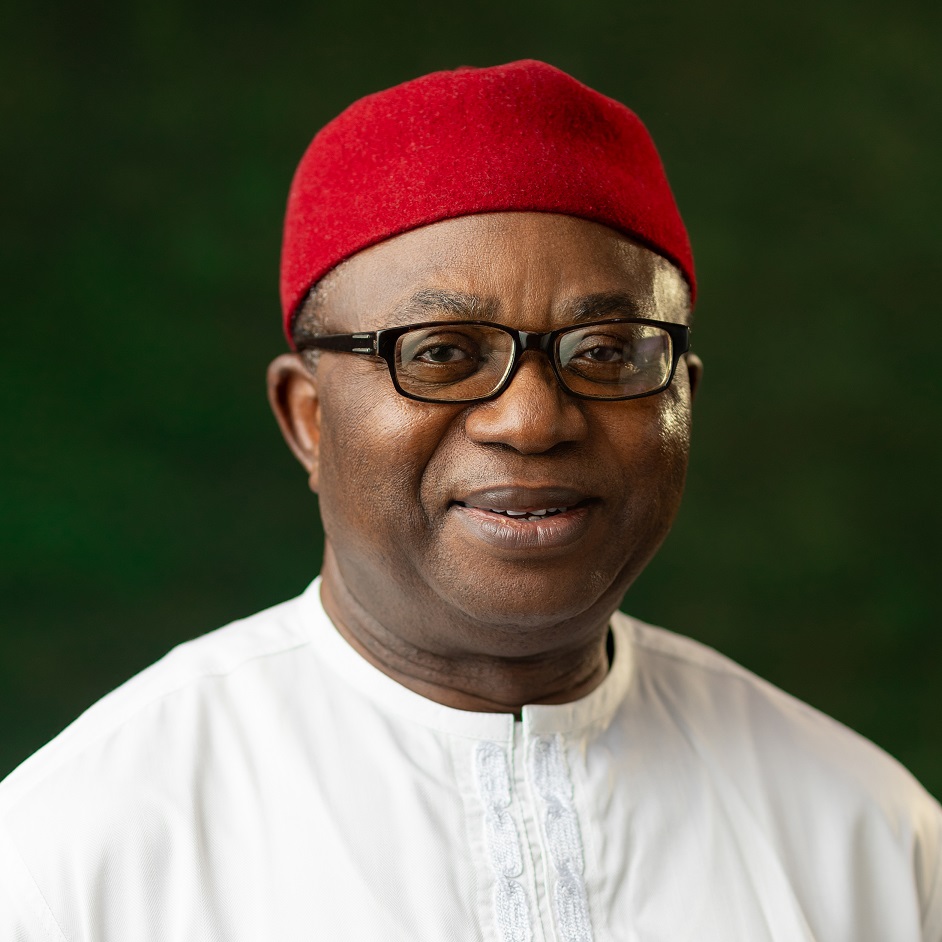
Speaking in an exclusive interview with The PUNCH, the Director of Marine Environment Management at NIMASA, Dr Oma Ofodile, said Nigeria would use the conference to reinforce the need for an inclusive and equitable approach to maritime decarbonisation.
According to her, the future of green shipping will depend not only on environmental commitments but also on the ability of countries to access technology, build capacity, generate reliable emissions data and mobilise adequate funding.
Ofodile said one of the major lessons from Nigeria’s engagement at recent climate conferences was that no country could achieve maritime decarbonisation in isolation.
She recalled that at COP28 in Dubai, NIMASA championed the idea of an African coalition to support the implementation of the International Maritime Organisation’s greenhouse gas reduction strategy.
The initiative, she explained, was driven by the recognition that African countries face similar challenges in the transition to low-carbon shipping and would benefit from collective action.
“We recognised early that collaboration would be essential. No single country can successfully navigate this transition alone. African countries need to work together, share experiences, attract investments and build common positions on key issues,” she said.
The NIMASA official noted that one of the strongest outcomes of those discussions was the growing consensus that reliable emissions data must form the foundation of any meaningful decarbonisation strategy.
According to her, Nigeria’s collaboration with University College London to develop a national maritime emissions inventory revealed significant weaknesses in existing data collection systems.
She explained that much of the information required to assess emissions levels within the maritime sector was still being collected manually, limiting accuracy and making long-term analysis difficult.
“You cannot effectively manage what you cannot measure. Before discussing emission reduction targets or financing mechanisms, we needed to understand the actual emissions profile of the Nigerian maritime sector,” she said.
The study, she added, exposed the urgent need for digitalisation and more sophisticated monitoring systems capable of providing continuous emissions data.
That process subsequently led to the development of the Nigerian Maritime Continuous Emissions Monitoring System, an initiative designed to provide a structured and digital framework for collecting, analysing and updating emissions information across the maritime industry.
Ofodile described the monitoring system as one of the first initiatives of its kind in Africa and said it could serve as a model for other countries seeking to strengthen emissions accountability.
She stressed that reliable data would be essential for tracking progress toward the International Maritime Organisation’s target of achieving net-zero emissions from international shipping around mid-century.
Beyond data collection, the NIMASA director identified technology gaps as one of the biggest obstacles confronting developing countries.
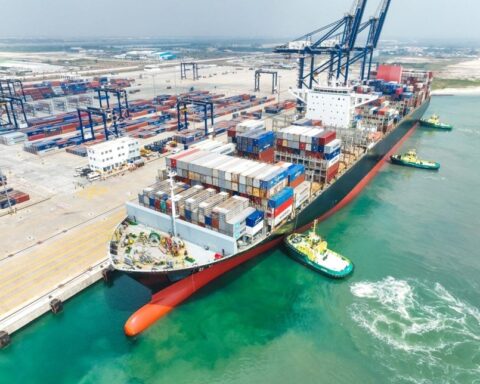
According to her, many African ports lack the infrastructure needed to support emerging low-carbon shipping technologies.
She said facilities such as shore power systems, smart port infrastructure, digital platforms and automated operations would become increasingly important as the industry transitions away from conventional fossil fuels.
“Many ports around the world are already investing in automation, digital systems and advanced energy infrastructure. Nigeria must also move in that direction if it wants to remain competitive in the future maritime economy,” she said.
She further noted that alternative fuels expected to power future vessels would require entirely new technical capabilities, creating an urgent need for capacity building across the maritime sector.
Seafarers, engineers, port operators and regulators, she said, would all need specialised training to adapt to evolving technologies and environmental standards.
However, Ofodile maintained that finance remains the single biggest challenge confronting maritime decarbonisation efforts in many developing countries.
She explained that virtually every aspect of the transition, including infrastructure development, emissions monitoring systems, alternative fuels and human capacity development, would require substantial investment.
“Finance is critical. Whether you are talking about smart ports, digital infrastructure, emissions monitoring systems or capacity building, all these require significant funding,” she said.
While acknowledging the existence of several international climate finance mechanisms, she noted that many developing countries struggle to access available resources due to institutional and technical limitations.
She therefore called for stronger coordination around climate finance and improved support for developing countries seeking to implement emissions reduction projects.
According to her, governments must also ensure that projects are properly structured and aligned with international funding requirements if they hope to attract investment.
Ofodile said Nigeria’s message at the upcoming Our Ocean Conference would emphasise the need for stronger partnerships among governments, international organisations, development agencies and the private sector.
She argued that maritime decarbonisation presents opportunities not only for environmental sustainability but also for innovation, industrial growth, job creation and economic development.
Countries that invest early in technology, skills and green maritime infrastructure, she said, stand to benefit from emerging opportunities within the global blue economy.
“The transition must be inclusive, practical and equitable. Developing countries are committed to supporting climate action, but they need adequate support to implement ambitious targets,” she said.
By Dare Akogun
This story was produced as part of the 2026 Our Ocean Conference Fellowship organized by Internews’ Earth Journalism Network’