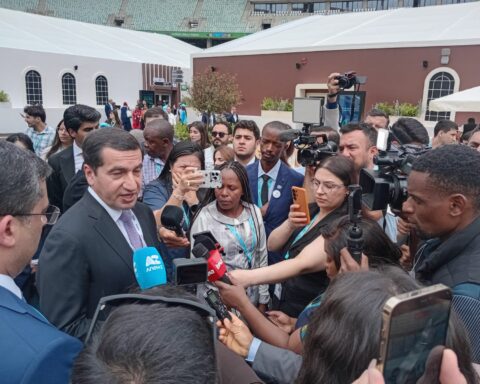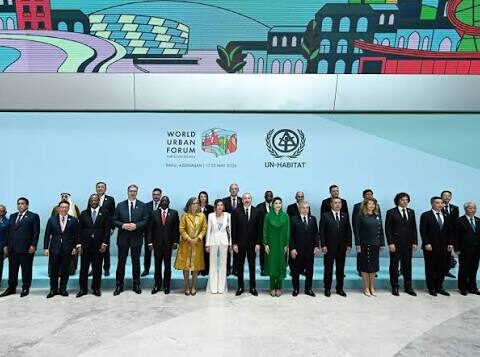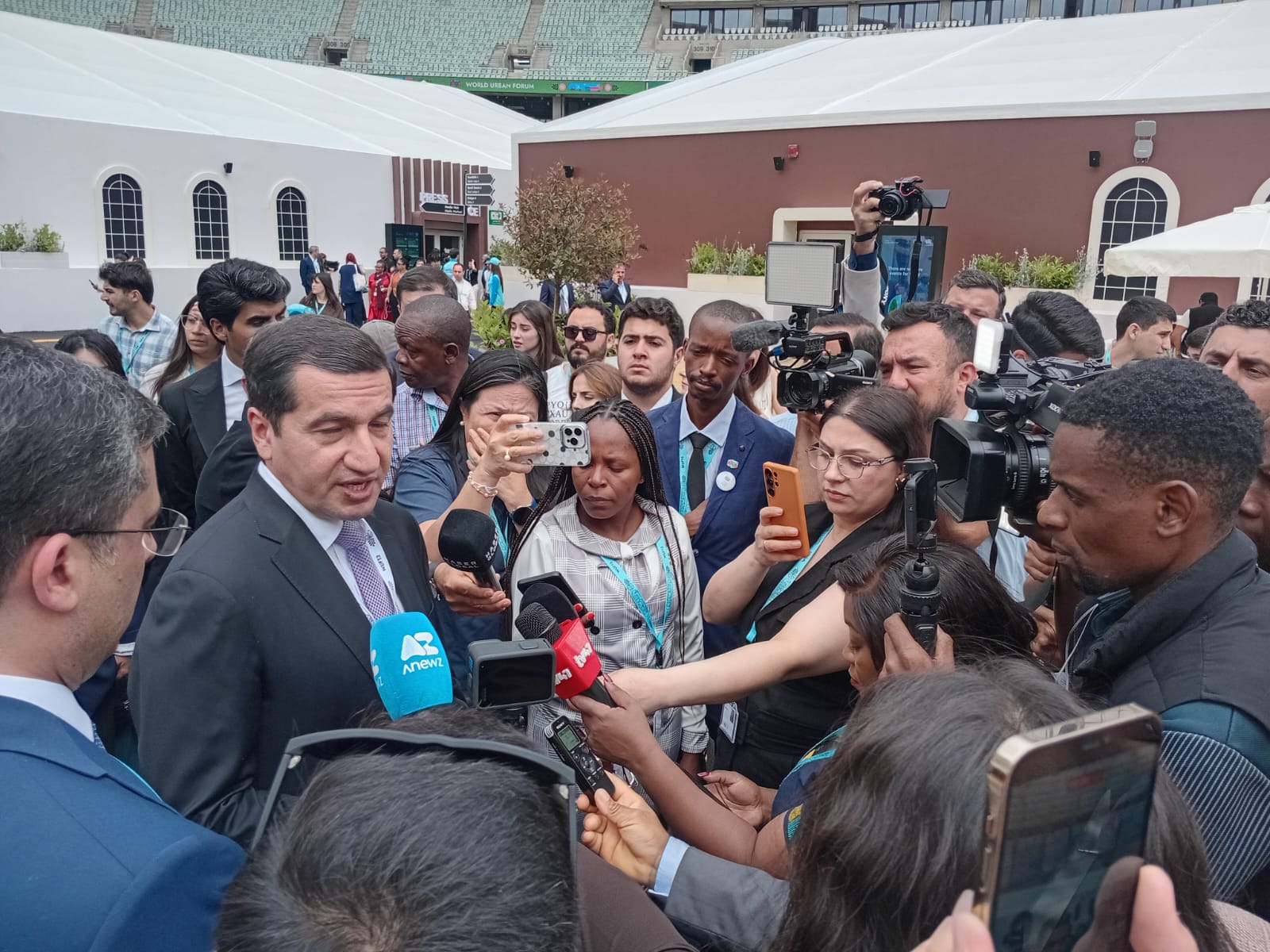

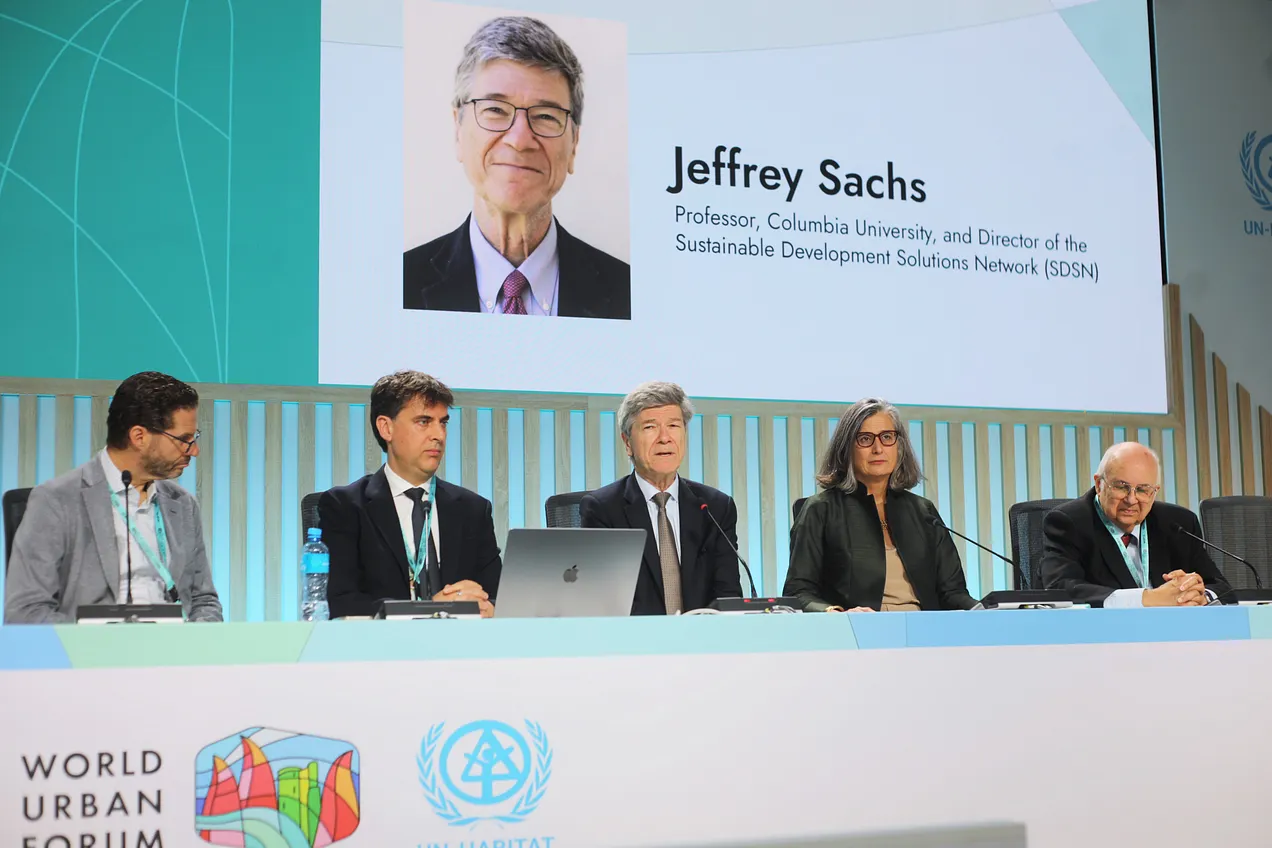
Global leaders, urban planners, researchers, policymakers, and development experts have launched a new international initiative aimed at reshaping the future of cities amid worsening climate disasters and rapid urbanisation across the world, particularly in sub-Saharan Africa.
The initiative, known as the “Future of Cities” partnership, was unveiled during the 13th World Urban Forum (WUF13) in Baku, Azerbaijan, by UN-Habitat in collaboration with the UN Sustainable Development Solutions Network.
Organisers described the partnership as an open global platform designed to bring together universities, mayors, private sector actors, civil society organisations, media institutions, and young people to rethink how cities are planned, governed, and sustained in the face of growing environmental and economic pressures.
The launch comes at a critical time for African cities, many of which are already struggling with flooding, housing shortages, poor infrastructure, population growth, rising temperatures, and climate-induced displacement.
Speakers at the event warned that traditional urban planning systems are no longer sufficient to address the scale of climate-related disasters affecting cities globally.
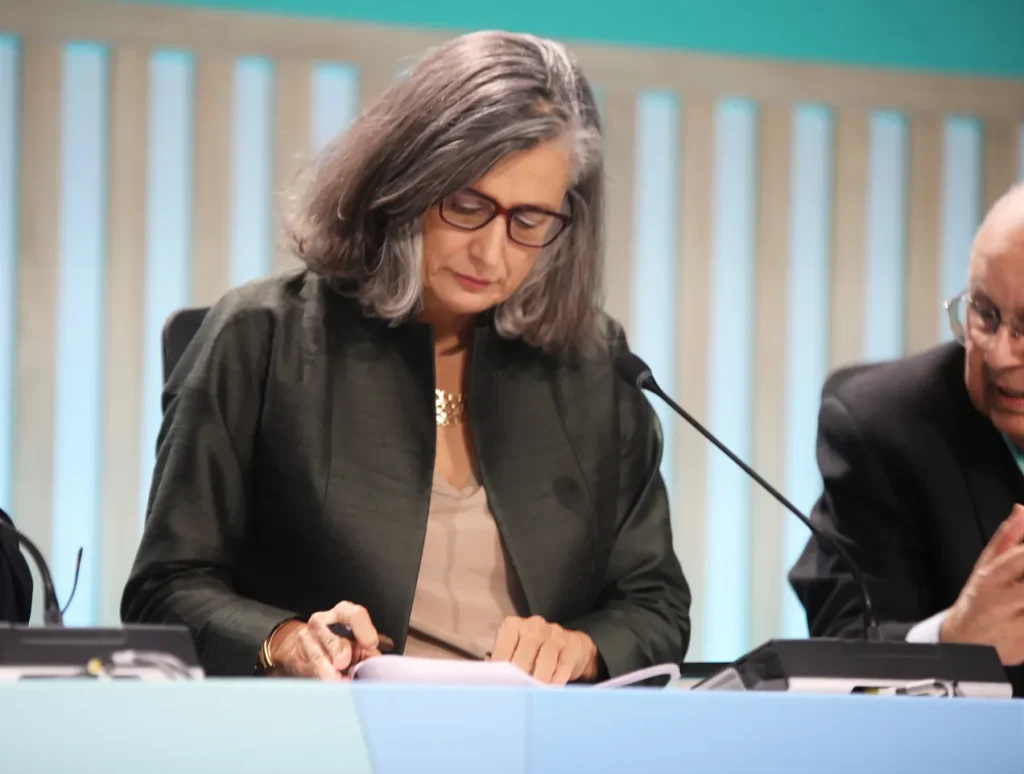
One of the panelists noted that some regions are already experiencing rainfall volumes within a single day that would normally occur over an entire year, underscoring the urgency for long-term planning and stronger collaboration among governments, institutions, businesses, and communities.
Why the initiative matters for Africa
According to organisers, the partnership will focus on long-term urban development through three key timelines 2030, in line with the Sustainable Development Goals; 2050; and 2100.
The initiative is expected to play a major role in shaping how rapidly expanding African cities prepare for future pressures linked to population growth, climate migration, energy demand, infrastructure deficits, and housing inequality.
Experts stressed that the planning decisions made today will continue to shape cities for generations, noting that many modern urban centres still reflect policy choices made centuries ago.
They argued that African governments and city leaders must begin to prioritise resilience, sustainability, and inclusive urban governance to avoid future social and environmental crises.
Six thematic groups established
To coordinate its activities, the partnership has established six thematic working groups focusing on:
Urban futures and design innovation, Leadership and governance, Housing, land, and inclusive communities, Infrastructure and buildings, Digital connectivity and Climate and heritage
Organisers said the groups would bring together experts from academia, government, civil society, and the private sector to develop practical and action-oriented solutions for cities worldwide.
Expected deliverables
The partnership is expected to launch a digital collaboration platform, futurecities.work, within the next year to support research, innovation, and partnerships.
Global dialogues involving mayors, youth groups, women’s organisations, and civil society actors are also expected to commence as part of efforts to deepen participation in urban policy discussions.
By the next World Urban Forum scheduled to hold in Mexico, organisers plan to release a flagship Future Cities Report outlining urban scenarios and strategies for cities up to 2050 and beyond.
The initiative also aims to contribute to the World Cities Report 2028 and shape conversations around the post-2030 global development agenda.
Speaking during the launch, renowned economist Jeffrey Sachs highlighted the rapid pace of urban growth expected over the coming decades.
According to him, nearly 70 per cent of the world’s population is projected to live in urban areas by 2050, with an additional two billion people expected to move into cities, especially across sub-Saharan Africa and South Asia.
Sachs stressed that the future of humanity would largely depend on whether cities become greener, safer, more productive, and more inclusive.
“The success of the world will depend on the success of cities,” he said.
Mayors, media crucial to urban transformation
Former Quito mayor Mauricio Rodas also stressed the importance of local leadership in driving sustainable urban transformation.
He argued that mayors remain central to implementing global urban commitments because they are closest to communities and understand local realities.
Organisers further noted that media organisations would play a critical role in amplifying research, promoting public awareness, and driving conversations around sustainable urban development.
The partnership remains open to universities, local governments, youth organisations, private companies, civil society groups, and development partners interested in joining the initiative.
The launch concluded with renewed calls for urgent action on climate resilience, housing, infrastructure, and sustainable urban planning as cities continue to face mounting environmental and socio-economic pressures.
From Joseph Silali and Eunice Wanja, Baku.