
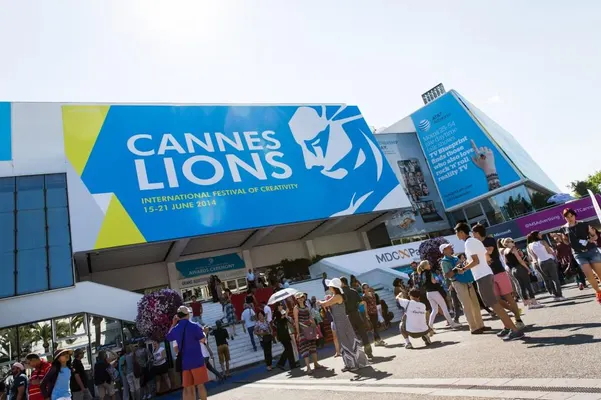
June arrives differently for people who work around creativity, culture, media and global influence. One moment, the industry is debating whether artificial intelligence will replace agencies and creators; the next, the global advertising ecosystem is preparing for another edition of the Cannes Lions International Festival of Creativity on the French Riviera.
For many, Cannes represents luxury branding, exclusive dinners, yacht parties and high-profile networking. But beneath the glamour lies something far more consequential: a gathering where conversations about culture, influence, storytelling and power quietly shape the future of industries and societies.
This year may mark my first time attending Cannes Lions as a journalist, environmental advocate and African immigrant still amazed by the kinds of rooms persistence and reinvention can open.
As someone who moved from Nigeria to the United States in search of opportunity, spaces like Cannes never feel casual. They feel symbolic. They represent systems that historically were not designed with people like me in mind. That perspective changes how I view global gatherings.
Most attendees see activations and campaigns. I see ecosystems.
I see creators becoming more influential than traditional institutions. I see brands struggling to remain culturally relevant in an era where audiences can instantly identify performative messaging. I see AI emerging as both the industry’s greatest opportunity and perhaps its quietest existential crisis.
And somewhere within all of this, founders, filmmakers, strategists, creators, athletes and immigrants are all wrestling with the same question: Is there still room for humanity inside modern marketing?
What I have learned from attending global conversations — from technology conferences in Las Vegas to climate discussions connected to COP processes, UN events in Qatar, and leadership gatherings across North America — is that culture now moves faster than corporations.
Communities no longer wait for brands to define what matters. Narratives are now shaped in podcasts, livestreams, creator platforms, group chats, digital movements and online communities.
The smartest organisations are beginning to understand that they can no longer simply market to people. They must participate with them.
At the same time, another force is pushing itself into every conversation whether industries are ready or not: climate change.
Climate disruption is no longer an isolated sustainability topic reserved for side panels between networking sessions. It is reshaping migration, fashion supply chains, tourism, sports, food systems, public health, infrastructure and the future of cities themselves.
From flooding in Brazil to extreme heat across Africa, water insecurity, plastic pollution and climate displacement, environmental crises are no longer distant headlines. They are now economic realities and cultural realities.
This presents a defining challenge for creators, brands and agencies.
What if environmental storytelling became culturally aspirational rather than emotionally exhausting? What if creators documented the human consequences of climate disruption with the same intensity often reserved for celebrity culture? What if brands invested in environmental restoration projects with the same urgency they devote to influencer activations and experiential campaigns?
Younger audiences are paying attention. Increasingly, they want transparency, accountability and authenticity. They want to know whether companies genuinely believe the values displayed on giant conference stages or whether sustainability has simply become another branding aesthetic.
For immigrants and outsiders entering elite global spaces, there is often a temptation to shrink oneself — to quietly observe and simply feel grateful for inclusion.
But over time, I have learned something different.
The real transformation begins when you stop asking whether you belong in the room and start asking what perspective you can contribute that others cannot.
For me, that perspective comes from understanding both scarcity and possibility. It comes from navigating systems without inherited access, building relationships before resources arrive, and watching communities innovate long before institutions recognise them.
That lens matters deeply in this moment.
Because the future of branding will not belong to the loudest companies or the most polished presentations. It will belong to organisations capable of building trust during uncertain times. It will belong to brands willing to listen before speaking, creators willing to confront uncomfortable truths, and agencies prepared to connect creativity with responsibility.
Perhaps that is why Cannes still matters.
Not because of the yachts or beach parties.
But because somewhere along the Riviera, between AI panels, creator dinners and conversations overlooking the Mediterranean, the future of culture is quietly being negotiated in real time.
And for immigrants, storytellers and environmental advocates like me, that conversation feels deeply personal.

By Chaste Inegbedion
Chaste Inegbedion is an AI and climate journalist, social impact innovator, and Global Editor-at-Large at DA News with over 10 years of experience across technology, media, civic engagement, and global development. He is the Founder of Semaform Foundation and ConcordeApp, advancing conversations around AI, sustainability, gender equity, and the future of global collaboration.