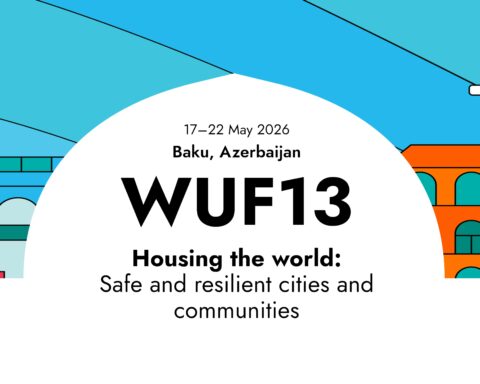

Civil society organisations from across the Global South have called for a major shift in global urban policy, demanding stronger representation, practical financing frameworks, and inclusive governance ahead of the World Urban Forum 13.
The call followed key outcomes from the Second Africa Urban Forum (AUF2) held in Nairobi, where stakeholders described the gathering as a “critical rehearsal” for global negotiations in Baku.
At the heart of the discussions was the formalisation of the Nairobi Declaration, which participants said redefined Africa’s urbanisation challenge as a global economic priority rather than a regional concern.
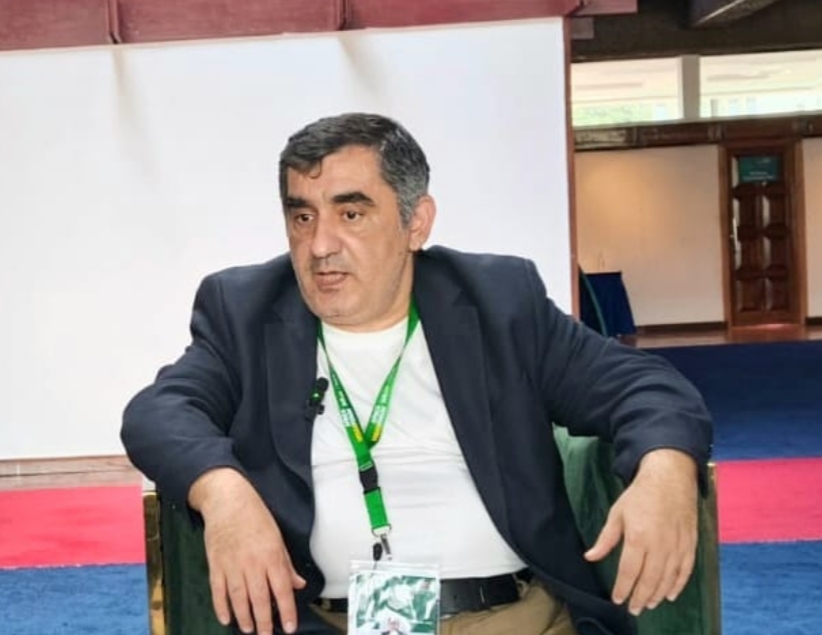
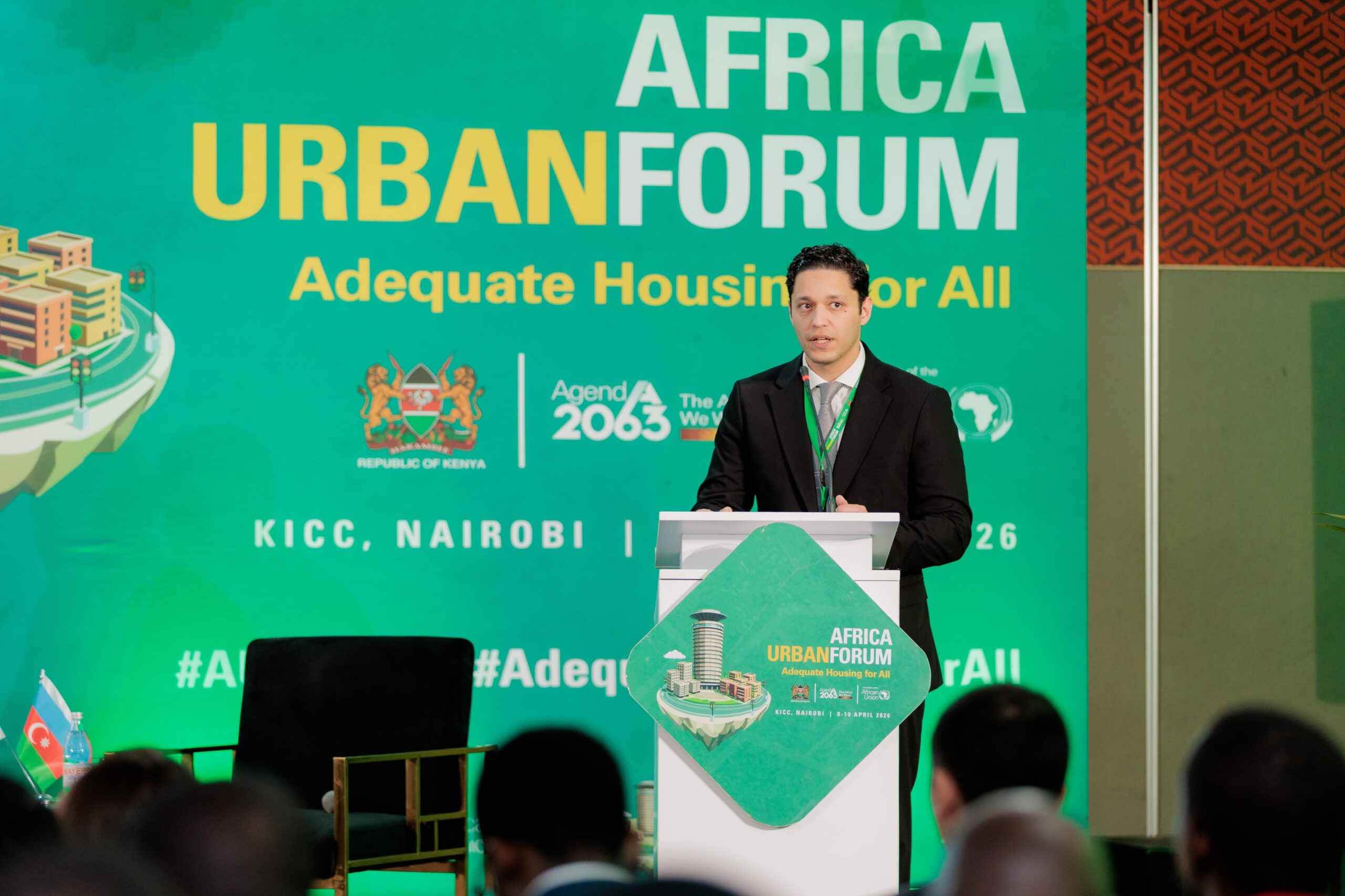
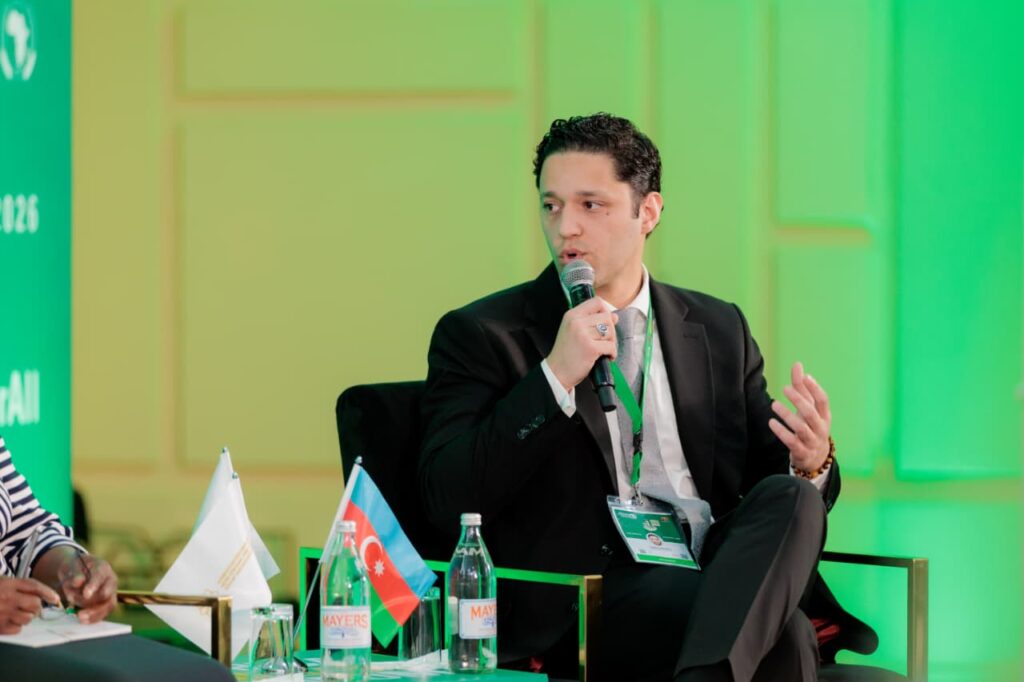
Speaking at a side event organized by the Global South NGO Platform a representative of the group Fuad Karimli said sustainable urbanisation in Africa is not just a local issue, but a global economic necessity.
He said the forum, set two major precedents that are expected to shape global urban discourse.
“First is what participants described as “decentralised sovereignty,” a governance approach that prioritises local governments and civil society over top-down national mandates.
“There is a clear shift toward empowering local actors. Urban solutions must come from those closest to the challenges, not just from national capitals,” he said
Secondly, Karimli introduced what he termed the “Middle Corridor of Ideas,” linking urbanisation challenges in the Global South with emerging economic and logistical frameworks across Eurasia.
“The forum successfully connected the realities of informal settlements in Africa with broader South-South economic strategies, creating a unified narrative for developing regions,” he said.
At the AUF2 side events, Karimli emphasised a transition from tokenistic engagement to meaningful participation in urban planning.
Participants highlighted the importance of cross-regional collaboration, particularly among countries within the Non-Aligned Movement.
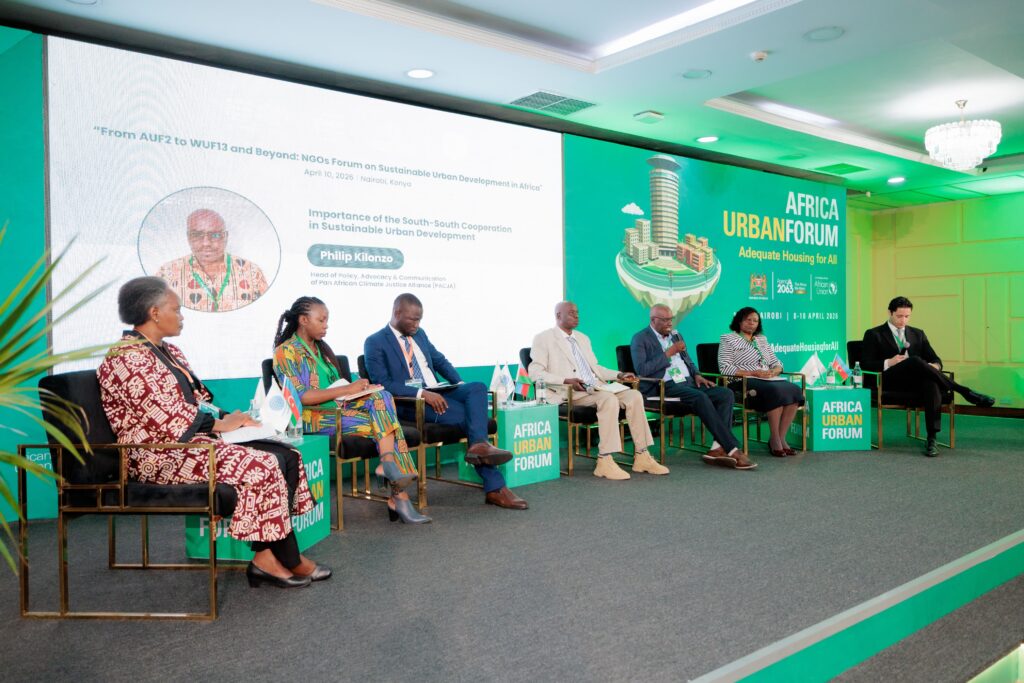
“The side event was a catalyst for shifting the narrative from consultation to co-design,” stakeholders said, stressing that urban policies must be developed collaboratively with communities.
“Collaboration between an NGO in Latin America and one in Central Asia isn’t just possible it’s essential.
“This is how we share frugal innovationslow-cost, high-impact solutions that actually work,” he said.
Karimli further argued that inclusivity should not be treated as a symbolic gesture but as a strategic necessity.
“Inclusivity is not a moral checkbox. It is a strategic asset that ensures policies reflect real socio-political realities,” he said.
Bridging representation gaps
Ahead of WUF13, civil society organisations from the global south identified key gaps that must be addressed to ensure equitable participation.
One of such gaps is the “language of policy,” which they say often excludes ordinary citizens.
“We must transition from technical jargon to language that reflects the lived experiences of urban residents,” a participant said.
On geographic equity, stakeholders warned against treating the Global South as a homogeneous bloc.
“The Global South is not a monolith. Smaller and often overlooked nations must have the same platform as larger emerging economies,” they stressed.
They also called for the creation of a permanent engagement framework to replace sporadic participation.
“We must move away from one-off forums and build institutional memory through digital and policy infrastructure that allows continuous engagement,” the group noted.
Participants at the forum also called for a shift from dialogue to implementation, with a strong focus on urban finance and scalability.
“We need to move from grants to sustainable investment frameworks that de-risk urban projects in the Global South,” Karimli said.
He emphasised the need for accessible technologies and data-driven planning tools that can be adapted to local contexts without excessive costs.
“Practical solutions involve the transfer of green technologies and data-driven urban tools that are affordable and scalable.
He also pointed to Azerbaijan’s strategic role in bridging global divides.
“Azerbaijan offers a unique platform to facilitate East-West-South dialogue that delivers real outcomes MOUs, pilot projects, not just policy briefs,” they said.
Looking ahead to WUF13, civil society groups outlined clear expectations for global leaders.
“We expect a firm commitment to the New Urban Agenda, with actionable roadmaps not just rhetoric.
Stakeholders also called for concrete frameworks around climate finance, particularly in relation to Loss and Damage discussions from recent climate summits.
“Policymakers must provide a roadmap for Loss and Damage funds, especially for urban climate resilience in vulnerable regions,” they said.
On global partnerships, the Karimli urged a shift in perception.
He further called for support for structured initiatives that amplify civil society voices.
“The Global North must recognise the Global South not just as a recipient of aid, but as a source of innovation
“We want international backing for platforms that institutionalise the policy recommendations of civil society actors from developing nations,” he said.
As preparations intensify for WUF13 in Baku, stakeholders say the message from Nairobi is clear Africa and the Global South are no longer passive participants in global urban discourse but active shapers of the future.
By Dare Akogun