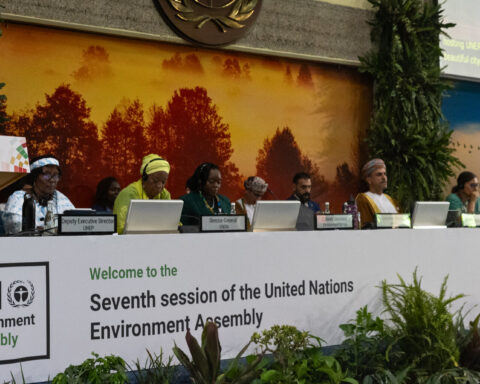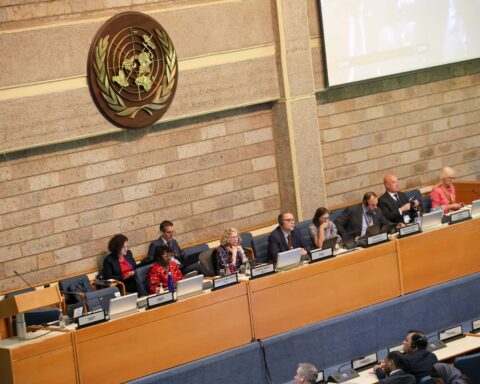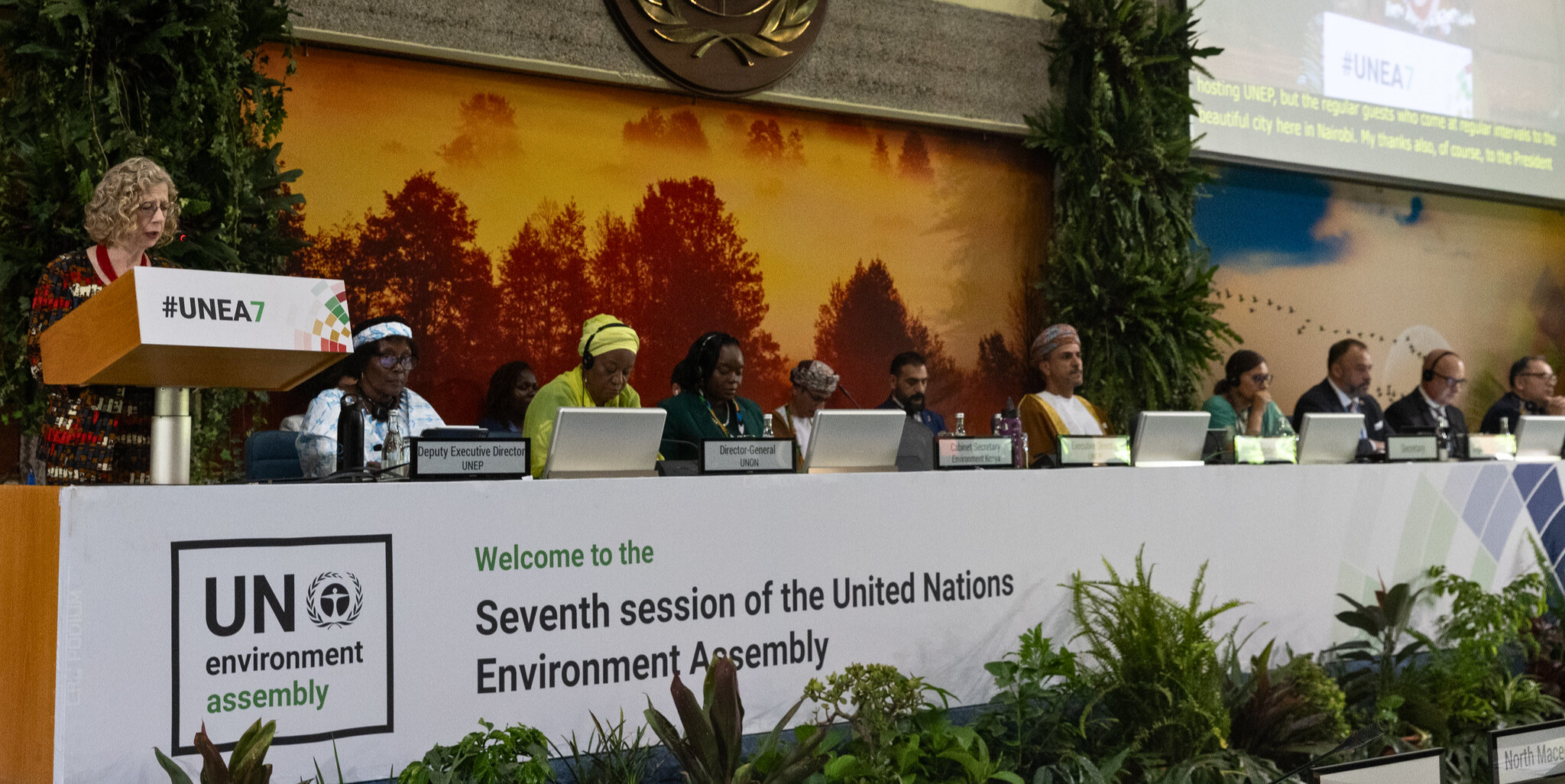

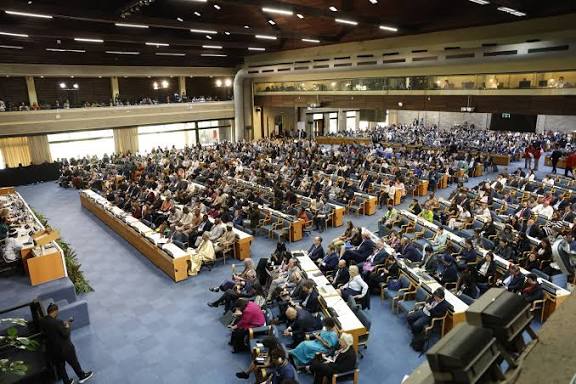
The seventh session of the United Nations Environment Assembly (UNEA-7) has closed in Nairobi with renewed global commitments to confront climate change, pollution, biodiversity loss and land degradation crises that continue to hit Africa, including Nigeria, hardest.
Held at the headquarters of the United Nations Environment Programme (UNEP), the week-long Assembly brought together more than 6,000 participants from 186 countries, making it the world’s highest-level decision-making platform on environmental matters.
At the end of the deliberations on Friday, Member States adopted 11 resolutions, three decisions and a Ministerial Declaration, all aimed at advancing multilateral solutions for a more resilient planet.
The resolutions addressed issues of direct relevance to African countries, including the protection of coral reefs, combating wildfires, safeguarding glaciers, managing chemicals and waste, tackling antimicrobial resistance, and responding to the spread of sargassum seaweed along coastlines.
Other key resolutions focused on the sound management of minerals and metals needed for the global energy transition an issue critical to resource-rich African nations like Nigeria and the sustainable use of Artificial Intelligence for environmental solutions.
Speaking at the close of the Assembly, H.E. Abdullah bin Ali Al-Amri, President of Oman’s Environment Authority and President of UNEA-7, said the outcome demonstrated the power of multilateral cooperation.
“What has been achieved here proves that this bridge is indeed capable of carrying the world’s ambitions towards a better future,” he said.
However, he warned that real success would be measured not by resolutions alone but by visible improvements in people’s lives.
“The measure of our success will be what we see on the ground cleaner air, cleaner water, restored ecosystems, green jobs and more resilient societies.”
The UNEA-7 Ministerial Declaration commits countries to bold and inclusive action, stronger implementation of multilateral environmental agreements, and equitable participation in global environmental governance.
The Assembly also approved UNEP’s Medium-Term Strategy for the next four years and its Programme of Work for the next two years, setting the direction for global environmental action through 2029.
UNEP Executive Director Inger Andersen urged countries to move swiftly from commitments to implementation.
“People are dying, homes and livelihoods are being destroyed, economies are being damaged, and inequity is growing because action on environmental challenges has not been fast or strong enough,” she said.
“You have brightened the beacon but now we must hurry down this path to deliver real solutions.”
A major highlight of UNEA-7 was the launch of the seventh Global Environment Outlook (GEO-7), described as the most comprehensive assessment of the global environment ever undertaken.
The report found that investing in climate stability, healthy ecosystems and pollution control could deliver trillions of dollars in global economic benefits, prevent millions of deaths, and lift hundreds of millions of people out of poverty and hunger findings with significant implications for Nigeria and other African nations battling climate-induced food insecurity and health challenges.
The Assembly was preceded by a Youth Environment Assembly, which brought together over 1,000 young delegates advocating stronger youth participation in environmental governance, and a Cities and Regions Summit highlighting the role of local governments in delivering climate solutions.
Civil society voices were also prominent at the Global Major Groups and Stakeholders Forum, where non-state actors engaged directly with governments and UNEP on pressing environmental issues.
The 2025 UN Champions of the Earth were celebrated at a Gala of Hope, alongside the announcement of new UN World Restoration Flagships.
In a symbolic moment highlighting Africa’s climate vulnerability, UNEP’s Patron of the Oceans, endurance swimmer Lewis Pugh, climbed Mount Kenya home to one of Africa’s last remaining glaciers, which scientists warn could disappear within five years.
UNEA-7 elected H.E. Matthew Samuda, Jamaica’s Minister of Water, Environment and Climate Change, as President of UNEA-8.
“Our voices carry the weight of communities on the front lines of climate impacts communities that cannot afford delay,” Samuda said, pledging inclusivity, transparency and practical action.
Member States also fixed the date for the next Assembly, UNEA-8, scheduled for 6–10 December 2027 in Nairobi.
For Nigeria and other African countries facing worsening floods, desertification, pollution and biodiversity loss, the outcomes of UNEA-7 reinforce the urgency of translating global commitments into national action.
As Africa remains disproportionately affected by environmental degradation despite contributing the least to global emissions, UNEA-7’s emphasis on equity, financing, and resilience offers both an opportunity and a test of whether multilateralism can truly deliver for the continent.
By Dare Akogun