
Nigeria’s journey toward a sustainable aviation future took a major policy and operational leap this year, as the Ministry of Aviation and Aerospace Development unveiled a draft National Net-Zero Aviation Framework in Abuja, while the Federal Airports Authority of Nigeria (FAAN) rolled out practical green initiatives to decarbonise airport infrastructure and operations.
At a policy dialogue on February 5 in Abuja, Minister Festus Keyamo affirmed that Nigeria must move early to align with the International Civil Aviation Organization’s (ICAO) global emissions goals, stressing that “the future of aviation financing will depend on environmental compliance.”
The draft framework outlines a phased approach from sustainable aviation fuel (SAF) adoption to airspace efficiency reforms and incentives for greener aircraft acquisition aimed at positioning Nigeria within global climate targets.
“We cannot afford to be reactive in global aviation sustainability discussions,” Keyamo told DA News, emphasising that proactive policy now could shield Nigerian carriers from future compliance penalties and high decarbonisation costs.
The framework also proposes closer integration of aviation emissions into Nigeria’s updated Nationally Determined Contributions (NDCs), a move confirmed by officials from the Ministry of Environment who noted that the civil aviation sector’s emissions profile will soon be part of the country’s broader climate commitments.
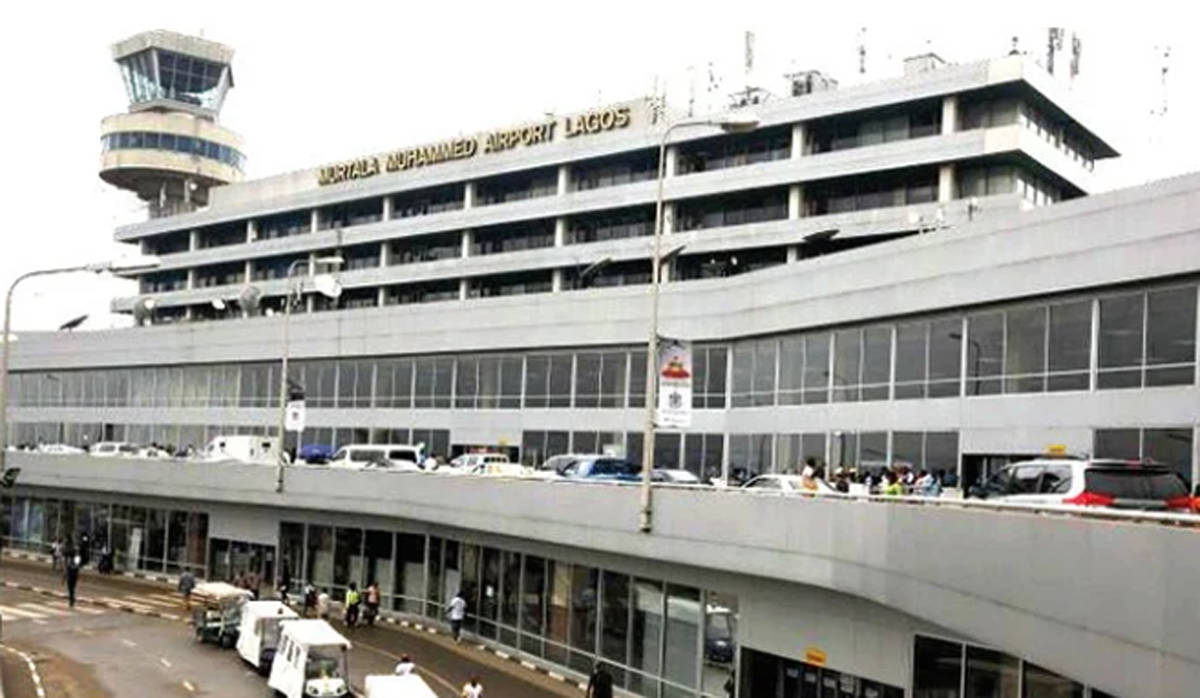
While policy architects in Abuja refine national strategy, FAAN is translating green ambitions into tangible infrastructure changes at Nigeria’s airports. In a recent press briefing in Lagos, FAAN Managing Director Mrs Olubunmi Kuku outlined plans to expand renewable energy installations and sustainable transport systems across major airport hubs.
The authority has already secured dual ISO certifications for quality and environmental management standards at multiple airports, an achievement underscoring operational credibility and environmental responsibility.
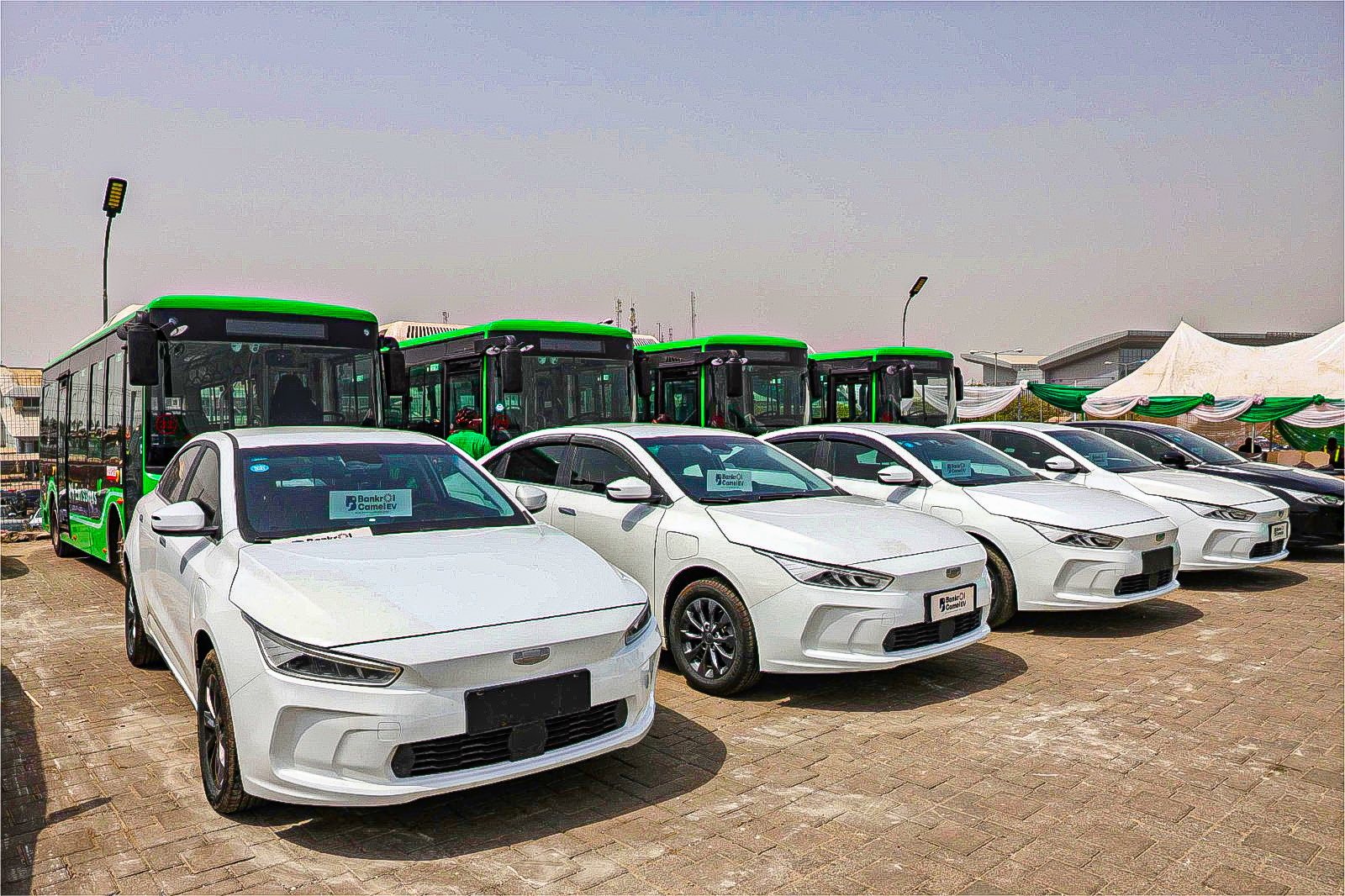
Earlier this year, FAAN launched zero-emission electric transit services at the Nnamdi Azikiwe International Airport (NAIA) in Abuja, a fleet that includes electric shuttle buses and saloon cars for passenger and staff mobility. The initiative, developed in partnership with sustainable mobility firms, aims to cut carbon emissions, reduce dependence on fossil fuels, and enhance airport connectivity.
“These vehicles represent more than just transport; they symbolise cleaner air, quieter terminals and a commitment to sustainable aviation infrastructure,” Mrs Kuku said during the launch event.
FAAN also confirmed that pilot solar power projects have reduced reliance on grid electricity during peak periods at both Lagos and Abuja international airports, while plans are underway to introduce electric ground support equipment to replace diesel-powered units.
While green initiatives are attracting praise, industry players are mindful of the potential costs involved.
Aviation economist Dr Chinwe Egbunike told DA News that “policy frameworks are valuable, but execution must be measurable and time-bound.” She said Nigeria’s draft framework should include clear milestones and funding strategies to ensure SAF and infrastructural reforms don’t remain aspirational.
“There’s a gap between policy ambition and financing capacity. We must secure both domestic and international support,” she added.
Analysts also say that while FAAN’s green projects are commendable, the authority must balance operational costs with passenger affordability a concern echoed by labour unions during the electric shuttle rollout, who cautioned that higher operational outlays should not translate into steeper airport charges.
Nigeria’s dual push blending national climate policy with grounded airport reforms comes ahead of key global engagements, such as the upcoming ICAO Aviation Climate Week 2026 in Montréal, where aviation decarbonisation strategies will be further debated by regulators and industry leaders.
Experts say Nigeria’s early move positions it well to influence outcomes on sustainable aviation fuel mandates, emissions reporting standards, and climate financing mechanisms.
Professor Anthony Kila, a political economist, noted that “sustainability in aviation is not just about environmental stewardship but future competitiveness.”
“If airports and airlines embed climate goals into their core operations today, Nigeria’s aviation sector can avoid costly retrofits and compliance penalties tomorrow,” Kila said.
As Nigeria continues to refine its net-zero aviation blueprint in Abuja and implements green infrastructure in Lagos and Abuja airports, the synergy between policy and practice is becoming clearer. Whether through SAF incentives, airspace efficiency reforms, electric mobility, or solar adoption, the country is advancing a more resilient aviation future.
For Nigeria and by extension African aviation, the challenge now lies in maintaining momentum, securing finance, and ensuring that sustainability transitions do not undercut connectivity, affordability, or growth.
By Ogundele Fawas