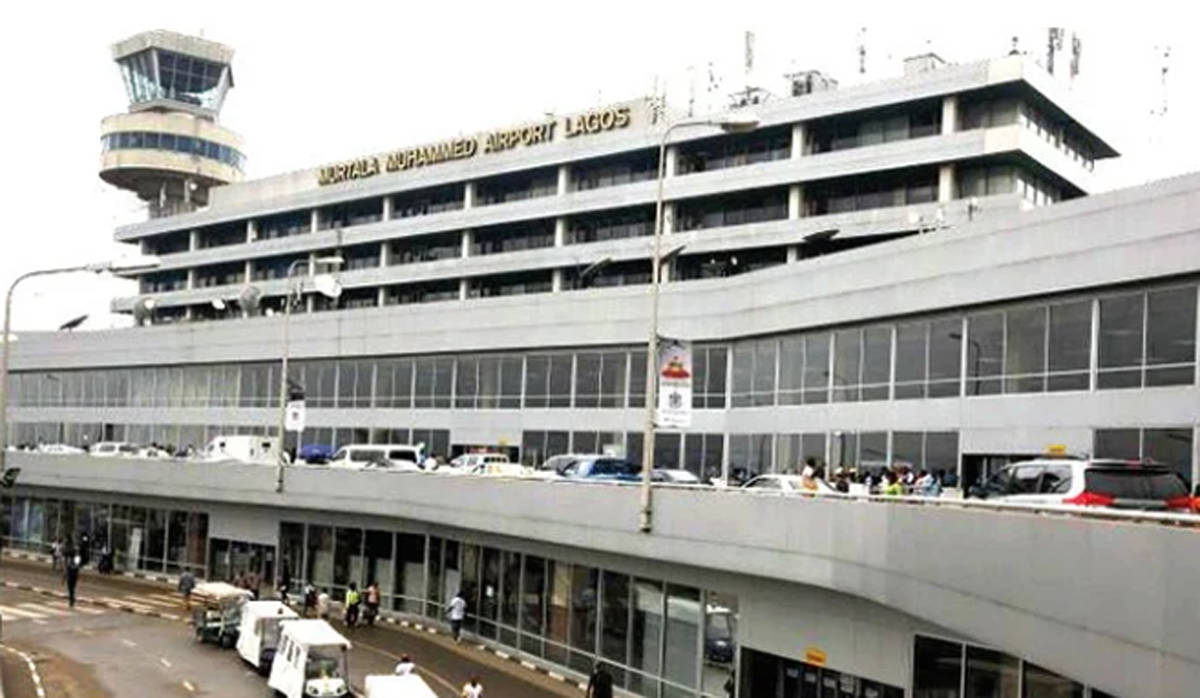


The Federal Airports Authority of Nigeria has announced plans to expand solar energy installations across major airports as part of its green infrastructure initiative.
Speaking at a press briefing in Lagos, FAAN Managing Director Olubunmi Kuku said airports must lead by example in the net-zero transition.
“We are working to reduce operational emissions through renewable energy, waste management reform, and water conservation systems,” she said.
FAAN confirmed that pilot solar projects at Lagos and Abuja airports have reduced grid dependence during peak hours.
Officials also revealed plans to introduce electric ground support equipment to cut diesel consumption.
Mrs. Kuku highlighted that her management has optimized energy usage across FAAN’s operations, installing energy-efficient bulbs, solar lighting even in our terminals, and enhancing waste recycling, among other measures to reduce reliance on fossil fuels.
While reaffirming FAAN’s continued dedication to a green energy transition, she expressed gratitude to President Bola Ahmed Tinubu, the Minister of Aviation, Chairman and members of the FAAN Board, Nnamdi Azikiwe International Airport Management team, development partners, and stakeholders for their unwavering support.
FAAN had earlier in January launched zero-emission electric transit services at the Nnamdi Azikiwe International Airport (NAIA) in Abuja. The initiative, developed in partnership with Possible Electric Mobility and Zeut Energies, positions FAAN as a trailblazer in sustainable aviation infrastructure.
This initiative introduces electric vehicles for seamless passenger and staff mobility to and from the airport, significantly cutting carbon emissions and aligning with global green energy standards.
Environmental experts say airport operations, from lighting to baggage handling, account for significant indirect emissions.
Professor Anthony Kila told DA News that green airports enhance Nigeria’s international reputation.
“Airports are gateways. Sustainability branding matters,” he said.
However, aviation unions cautioned that cost implications must not lead to increased passenger charges.
FAAN assured stakeholders that efficiency savings would offset most capital investments over time.
As ICAO Climate Week approaches, Nigeria’s airport infrastructure reforms signal an emerging recognition that aviation decarbonisation goes beyond aircraft, and includes the entire ecosystem.
By Odekola Bose