
As Nigeria approaches the 2027 general elections, media and electoral stakeholders have warned of growing threats posed by artificial intelligence-generated misinformation, manipulated content and disinformation spread through local languages, calling for stronger regional cooperation to protect voters from deceptive narratives.
The stakeholders, drawn from Nigeria, The Gambia and Benin Republic, said electoral disinformation was increasingly becoming cross-border, exploiting linguistic, political and technological vulnerabilities to manipulate public perception and undermine confidence in democratic processes.
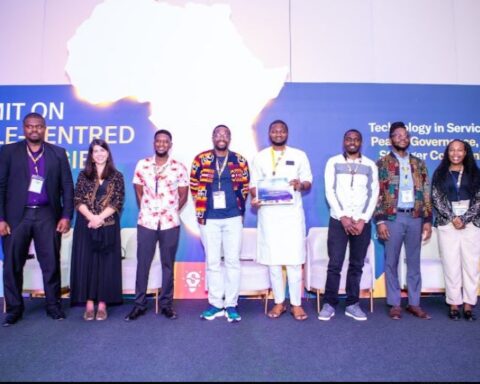
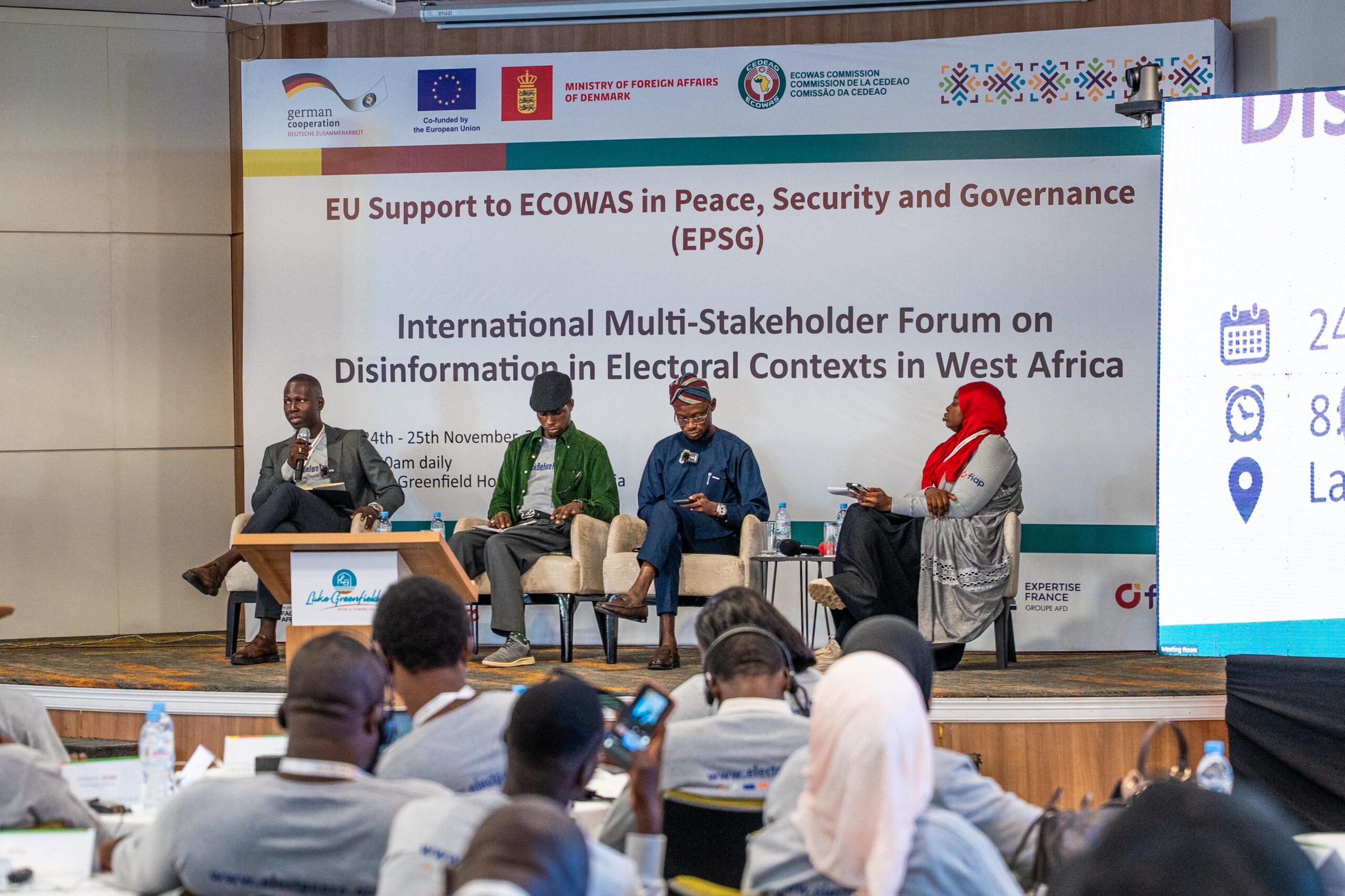
They spoke at a two-day International Multi-Stakeholder Forum on Disinformation in Electoral Contexts in West Africa, organised by the Fundación para la Internacionalización de las Administraciones Públicas in collaboration with FactCheckAfrica in Abuja.
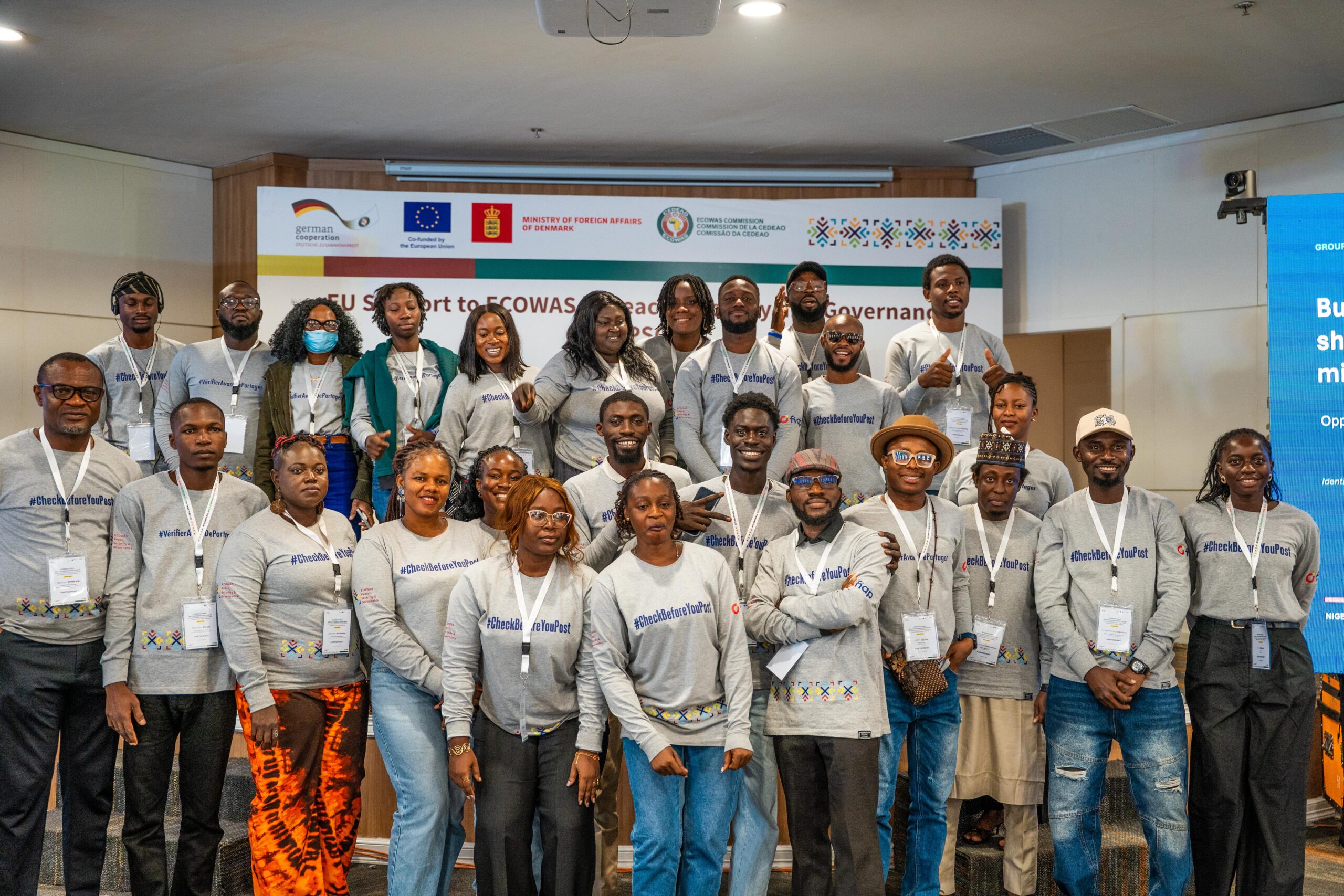
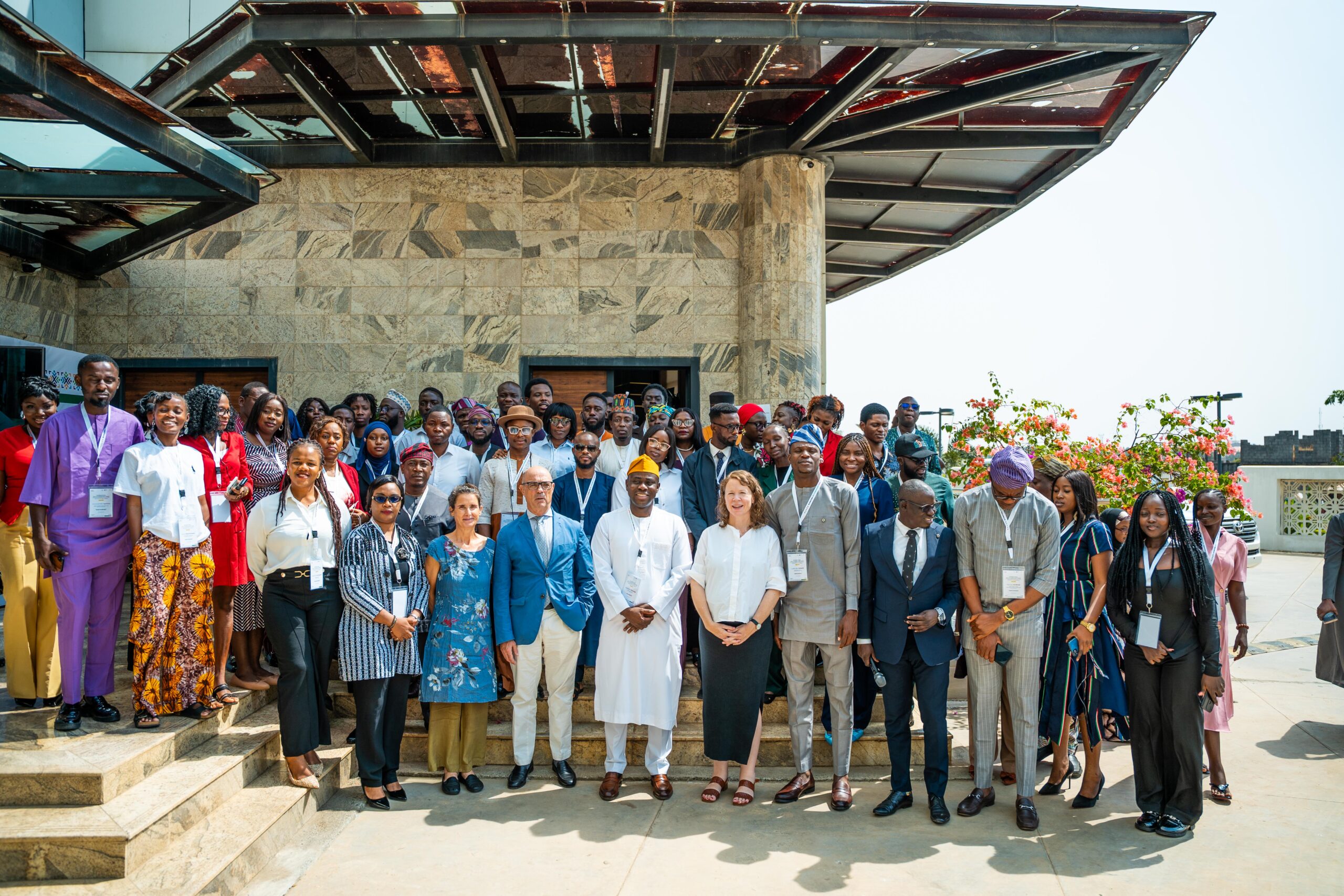
The forum, held from November 24 to 25 under the European Union Support to ECOWAS in Peace, Security and Governance Project, brought together journalists, fact-checkers, civil society organisations, electoral stakeholders, technology experts and youth representatives to develop coordinated responses to electoral misinformation.
Participants warned that the growing use of artificial intelligence to generate misleading content, coupled with the exploitation of indigenous languages and community information networks, was making it increasingly difficult for fact-checkers and electoral institutions to detect and contain false narratives before they spread.
Founder of FactCheckAfrica, Abideen Olasupo, described the exploitation of indigenous languages to manipulate public understanding as “hyper-local manipulation”, saying disinformation actors were increasingly targeting audiences underserved by conventional fact-checking interventions.
He said strengthening local-language information integrity and expanding access to reliable electoral information were critical to countering the trend across West Africa.
Speaking at the forum, the Chief Press Secretary to the Chairman of the Independent National Electoral Commission, Dayo Oketola, who represented the INEC Chairman, Prof Joash Ojo Amupitan, said the commission had established verification mechanisms to prevent misinformation from undermining the credibility of elections.
He said INEC was deploying automated verification systems and working with the National Orientation Agency, civil society organisations and fact-checking groups to strengthen electoral information management and public confidence.
The stakeholders said the challenge was compounded by the speed at which false information spreads online, often outpacing efforts to verify and correct it, particularly during politically sensitive periods.
They noted that disinformation campaigns could cross national borders, with narratives originating in one country adapted to political and linguistic contexts in neighbouring states.
The forum identified the need for closer collaboration among fact-checking organisations, media institutions, electoral management bodies, regulators and technology platforms, noting that responses to electoral misinformation had largely remained fragmented along national lines.
Diplomatic representatives of the European Union, Spain and Denmark also called for regional cooperation, stressing that electoral misinformation could affect citizens beyond the countries where elections were taking place.
The Head of Cooperation at the EU Delegation to Nigeria and ECOWAS, Massimo De Luca, said misinformation could also influence Nigerians in the diaspora through misleading narratives about electoral processes and outcomes.
He stressed the responsibility of governments and media organisations to work together to curb the spread of false information.
The Spanish Ambassador to Nigeria, Félix Costales, said fact-checking was important in protecting electoral integrity but cautioned against measures that could undermine media freedom and legitimate public debate.
“The fight against misinformation should not be a weapon against legitimate debates,” Costales said.
The Deputy Head of Mission at the Danish Embassy, Julie Rosenkilde Hannibal, said regional challenges required locally led solutions, reaffirming Denmark’s support for initiatives promoting peace, security and good governance in West Africa.
Delivering a keynote address, Director of the International Media and Information Literacy Institute, Dr Sharon Omotoso, called for stronger media and information literacy systems to help citizens navigate misinformation beyond the activities of fact-checking organisations.
She said misinformation could have severe personal and societal consequences, particularly for women targeted by gendered disinformation intended to damage their credibility and discourage political participation.
Omotoso warned that such attacks could pressure women to abandon political ambitions, reinforcing barriers to their participation in public life.
She also urged media organisations to exercise caution in reporting individuals, particularly by verifying names and identifying details, to prevent misattribution and reputational damage.
The scholar cautioned against the politicisation of fact-checking, stressing the need for editorial independence and warning that media organisations must not become instruments of political interests.
As part of efforts to strengthen regional responses, the forum also witnessed the launch of Elect Peace, a digital platform developed by Dataphyte Foundation to connect civil society organisations, fact-checkers, training resources and open-source verification toolkits across West Africa.
The platform is expected to support collaboration, improve access to verification resources and strengthen the capacity of organisations working to counter electoral disinformation.
Participants from Nigeria, The Gambia and Benin also shared experiences from interventions implemented in their countries, examining the roles of artificial intelligence, fact-checking, media literacy and community engagement in responding to electoral misinformation.
Discussions on the second day focused on AI-generated and synthetic media, verification of false information in local languages, technology platform accountability, and the safety of journalists, fact-checkers, women and other civic actors in high-risk electoral environments.
A regional panel featuring representatives of the Centre for Democracy and Development, iLEAD AFRICA and Gambia Participate examined the importance of cross-country knowledge exchange and coordinated interventions, particularly in communities where misleading audio recordings, manipulated broadcasts and translated political claims circulate through informal communication networks.
Working groups subsequently developed recommendations for a Regional Action Plan on Electoral Disinformation, covering civil society and fact-checking networks, media and journalism standards, electoral management bodies, regulators, technology platforms, academia and international partners.
The proposed action plan and participants’ communiqué are expected to guide sustained regional cooperation, institutional responses and knowledge-sharing ahead of upcoming elections.
The forum comes as West African countries prepare for major electoral contests, including Nigeria’s 2027 general elections and elections in The Gambia and Benin, amid concerns about the growing sophistication of digital manipulation.
Organisers said the initiative was aimed at ensuring that lessons from one country’s electoral experience could inform responses in neighbouring states, strengthening democratic resilience and citizens’ access to credible information.
By Dare Akogun