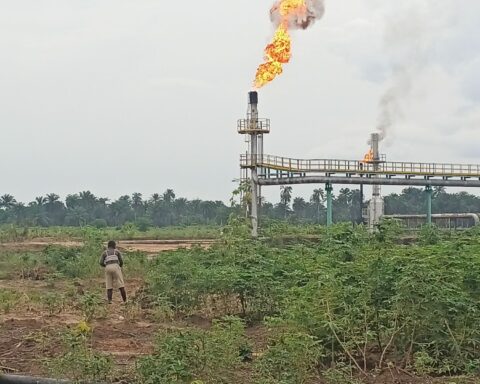

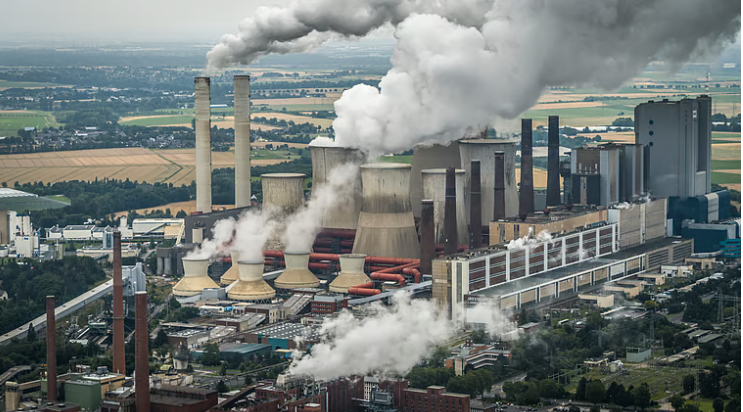
Existing oil, gas and coal projects contain enough fossil fuel to generate nearly seven times the carbon pollution the world can afford to emit to retain a 50 per cent chance of limiting global warming to 1.5 degrees Celsius, a new analysis by climate advocacy organisation Oil Change International has warned.
The analysis, released on Thursday, October 29, 2026, found that fully extracting and burning the fossil fuel reserves in existing fields and mines could release an estimated 897 billion tonnes of carbon dioxide (CO₂), compared with the remaining global carbon budget of just 130 billion tonnes from the beginning of 2026.
The findings have renewed concerns about continued investments in fossil fuel exploration and production, particularly as governments prepare for the 31st United Nations Climate Change Conference (COP31), scheduled to hold from November 9 to 20 in Antalya, Türkiye.
Titled The Sky’s Limit: Existing Fossil Fuel Projects Threaten Pollution Seven Times the 1.5°C Carbon Budget, the analysis argues that ending new fossil fuel projects alone may no longer be sufficient to keep global warming within the internationally agreed temperature limit.
It estimates that existing gas fields alone contain enough reserves to generate 150 billion tonnes of CO₂ if fully extracted and burned, exceeding the world’s remaining 1.5°C carbon budget without accounting for a single additional barrel of oil or tonne of coal.
The analysis further estimates that developed oil and gas reserves combined contain 3.5 times the remaining carbon budget, meaning that even if coal extraction stopped immediately, about 70 per cent of existing oil and gas reserves would have to remain underground to retain the possibility of limiting warming to 1.5°C.
Overall, the organisation estimates that more than 85 per cent of developed fossil fuel reserves must remain unextracted to stay within the remaining carbon budget.
The carbon budget represents the estimated amount of carbon dioxide the world can still emit while retaining a specified probability of limiting global temperature rise. The 130-billion-tonne allowance used in the analysis gives the world a 50 per cent chance of staying within the 1.5°C threshold.
COP31 and the fossil fuel transition debate
The findings come as governments face pressure to translate their commitments to transition away from fossil fuels into concrete national plans and implementation strategies.
At the 2023 COP28 climate conference in Dubai, countries agreed on the need to transition away from fossil fuels in energy systems in a just, orderly and equitable manner, accelerating action in this critical decade to achieve net zero by 2050.
However, Oil Change International argues that continued approvals of oil, gas and coal extraction projects are undermining efforts to meet global climate targets.
The organisation said governments must stop approving new fossil fuel exploration and extraction projects while developing clear timelines for the early retirement of existing oil and gas fields and coal mines.
It also called for wealthy industrialised countries with greater historical responsibility for greenhouse gas emissions and stronger financial capacity to move first and fastest in phasing out fossil fuel production.
Kelly Trout, Research Director at Oil Change International, said governments and fossil fuel companies had continued approving and investing in new extraction despite the growing evidence of the consequences for the climate.
She identified the United States, Canada and Australia among the countries that had expanded oil and gas production significantly since the adoption of the Paris Agreement.
“The massive oversupply of fossil fuels is the result of a decade of reckless decisions by governments and fossil fuel companies that kept approving and investing in new extraction despite knowing the consequences,” Trout said.
She urged governments attending COP31 to move beyond climate declarations and establish time-bound plans to end fossil fuel expansion and phase out existing production fairly.
“At COP31, they must turn promises into action: stop fossil fuel expansion and plan a fast and fair phaseout of existing production, with wealthy countries moving first and fastest and paying their fair share to support a just transition worldwide,” she added.
Implications for Nigeria and Africa
For Nigeria, one of Africa’s major oil and gas producers, the analysis raises important questions about the future of fossil fuel investments, energy security, employment and the country’s long-term economic transition.
The country’s Energy Transition Plan, developed as a pathway towards achieving net-zero emissions by 2060, recognises natural gas as a transition fuel, particularly in the power and cooking sectors.
The plan also seeks to expand access to modern energy, reduce poverty, preserve livelihoods and manage potential job losses in the oil industry as global demand for fossil fuels declines.
Nigeria’s official Energy Transition Plan identifies gas as playing a critical role in its proposed energy pathway, while projecting that emissions from the oil and gas sector will decline through reduced global demand, lower gas flaring, improved electrification and greater energy efficiency.
It also projects significant employment opportunities from the wider transition, including up to 340,000 jobs by 2030 and 840,000 by 2060, driven mainly by the power, cooking and transport sectors.
However, Oil Change International’s finding that existing gas reserves alone could exceed the remaining global carbon budget challenges the assumption that expanding gas production offers a climate-compatible long-term pathway.
For African countries, the debate extends beyond whether fossil fuel production should continue. It also involves how governments can finance development, expand electricity access, create employment and diversify economies that depend significantly on oil and gas revenues.
The analysis therefore calls for international financial support to help developing countries pursue alternative development pathways without bearing an unfair economic burden for a crisis largely driven by historical emissions from industrialised nations.
Oil Change International said fossil fuel phaseout plans should be accompanied by public financing, industrial policies and measures to protect workers and communities dependent on the industry.
It also called for reforms to international debt, tax and trade arrangements that constrain developing countries’ ability to invest in renewable energy and other low-carbon economic sectors.
Beyond ending new fossil fuel projects
The analysis warns that governments must address emissions already committed by existing fossil fuel infrastructure rather than concentrating exclusively on preventing future exploration.
It argues that some operating fields and mines may need to be shut down before their reserves are fully extracted if the world is to limit the duration and severity of global warming overshoot.
The organisation also cautioned that its calculations focus on carbon dioxide emissions associated with fossil fuel reserves and do not fully account for the additional warming effects of methane leakage from oil and gas operations.
For Nigeria, where gas development remains part of the government’s energy transition strategy, the findings reinforce the need to examine the climate implications of new projects, the economic risks of long-term fossil fuel dependence and the availability of affordable alternatives.
As governments prepare for COP31, the central challenge will be reconciling the need for energy and economic development with the scientific limits imposed by the remaining global carbon budget.
The choices made by governments in the coming years could determine not only how quickly the world moves away from fossil fuels but also whether developing countries receive the finance and support required to pursue a fair and sustainable transition.
By Dare Akogun