

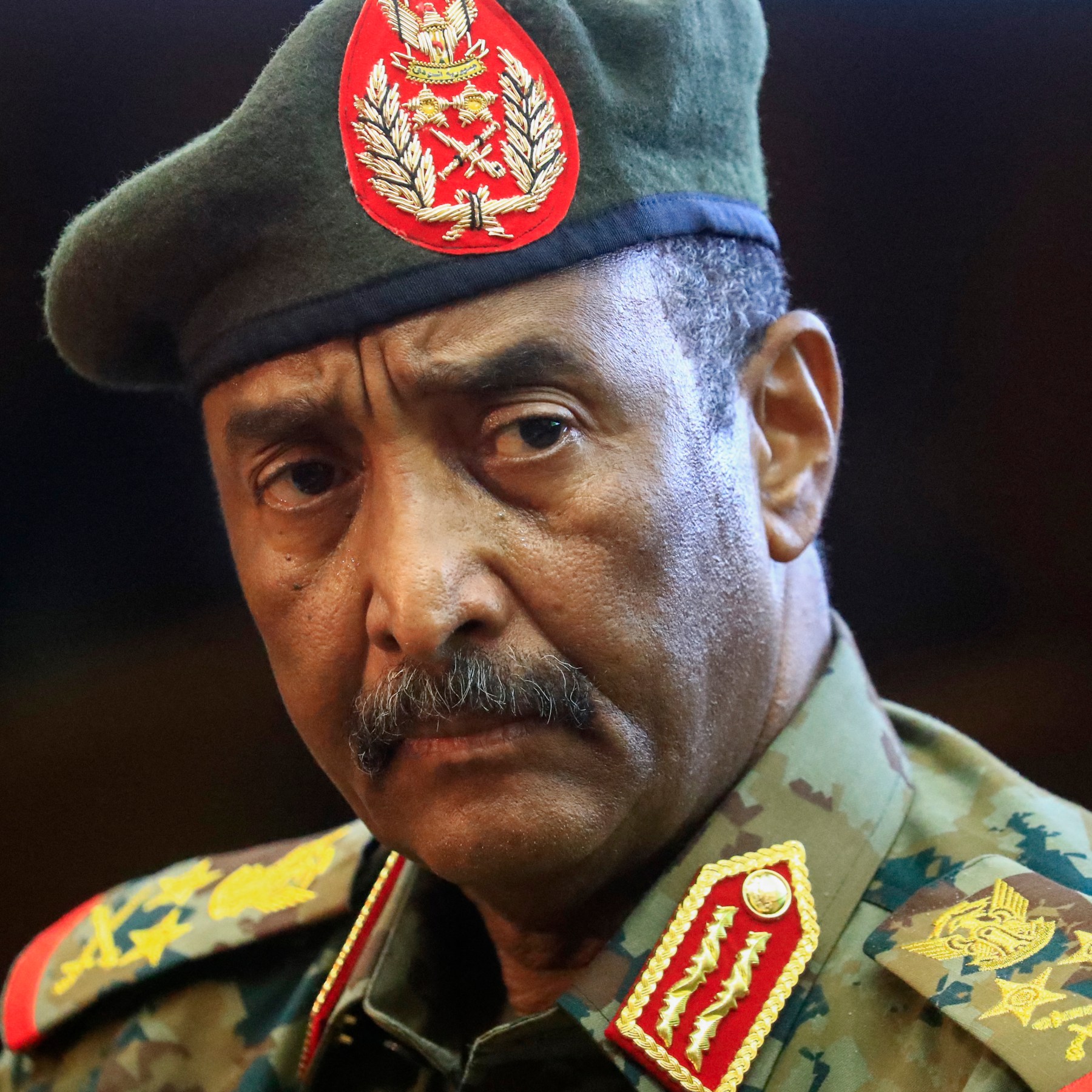
The United States has withheld an entry visa for Sudan’s army chief, General Abdel Fattah al-Burhan, ahead of his scheduled appearance at the 81st United Nations General Assembly in New York.
Reuters reported that the visa appeared to have been made conditional on al-Burhan accepting a 90-day ceasefire proposal put forward by US Senior Adviser for Arab and African Affairs, Massad Boulos.
A Sudanese diplomatic source and a Western analyst familiar with the discussions told Reuters that al-Burhan had rejected the proposal, while Sudan’s army had expressed reservations about the plan during the summer.
Al-Burhan was scheduled to address the General Assembly on Thursday, September 24, but the visa dispute has cast doubt on his ability to attend the session in person.
Sudan’s Ambassador to the UN, Al-Harith Idriss Al-Harith, has written to UN Secretary-General António Guterres, asking the organisation to intervene with US authorities and secure visas for al-Burhan and his delegation.
The UN said Guterres was “deeply concerned” that the visa had reportedly not been issued, adding that the UN Secretariat had raised the matter with the US authorities and was continuing discussions.
The dispute comes amid worsening relations between Washington and Sudan’s military leadership and renewed international efforts to end the conflict between the Sudanese Armed Forces and the paramilitary Rapid Support Forces.
The war, which began in April 2023 after tensions between the two forces erupted into fighting, devastated Sudan and triggered one of the world’s largest displacement and humanitarian crises.
Al-Burhan has opposed externally imposed ceasefire arrangements, arguing that previous pauses in fighting had allowed the RSF and its allies to regroup.
In an article published by Foreign Policy on Monday, al-Burhan argued that previous ceasefire efforts had failed because they were negotiated without sufficient Sudanese involvement.
The United States, meanwhile, has been involved in diplomatic efforts to end the war alongside Egypt, Saudi Arabia and the United Arab Emirates under the so-called Quad framework.
Washington has also taken measures against Sudanese military leaders. In January 2025, the US imposed sanctions on al-Burhan over alleged abuses during the conflict and obstruction of peace efforts.
The State Department also said on Tuesday that neither the Sudanese Armed Forces nor the RSF, nor their respective leaders, represented legitimate constitutional governance for Sudan.
US State Department spokesman Tommy Pigott said Washington remained prepared to work with anyone genuinely committed to peace and would seek to increase the cost of continued fighting for all parties and networks supporting the conflict.
Sudan has urged the UN to intervene, arguing that preventing al-Burhan from attending the General Assembly in person would affect the country’s participation in the UN’s annual high-level meeting. Sudan’s UN ambassador also cited the 1947 UN Headquarters Agreement in his appeal.
Al-Burhan has served as Sudan’s de facto leader since 2019. He and RSF commander Mohamed Hamdan Dagalo, popularly known as Hemedti, jointly seized power in a 2021 coup that ended Sudan’s civilian-led transitional arrangement.
The two men later fell out, with their forces becoming locked in a war that has displaced millions of Sudanese.
The UN estimates that millions of people have been forced from their homes by the conflict, while humanitarian needs across the country remain severe.
Former Sudanese civilian Prime Minister Abdalla Hamdok is also in New York for General Assembly events with members of his anti-war coalition.