
World leaders, development partners, businesses and civil society organisations on Thursday announced fresh commitments worth $6.4 billion to strengthen ocean conservation, sustainable fisheries, climate resilience and the blue economy, placing renewed pressure on Nigeria and other African nations to accelerate investments in protecting their marine resources.
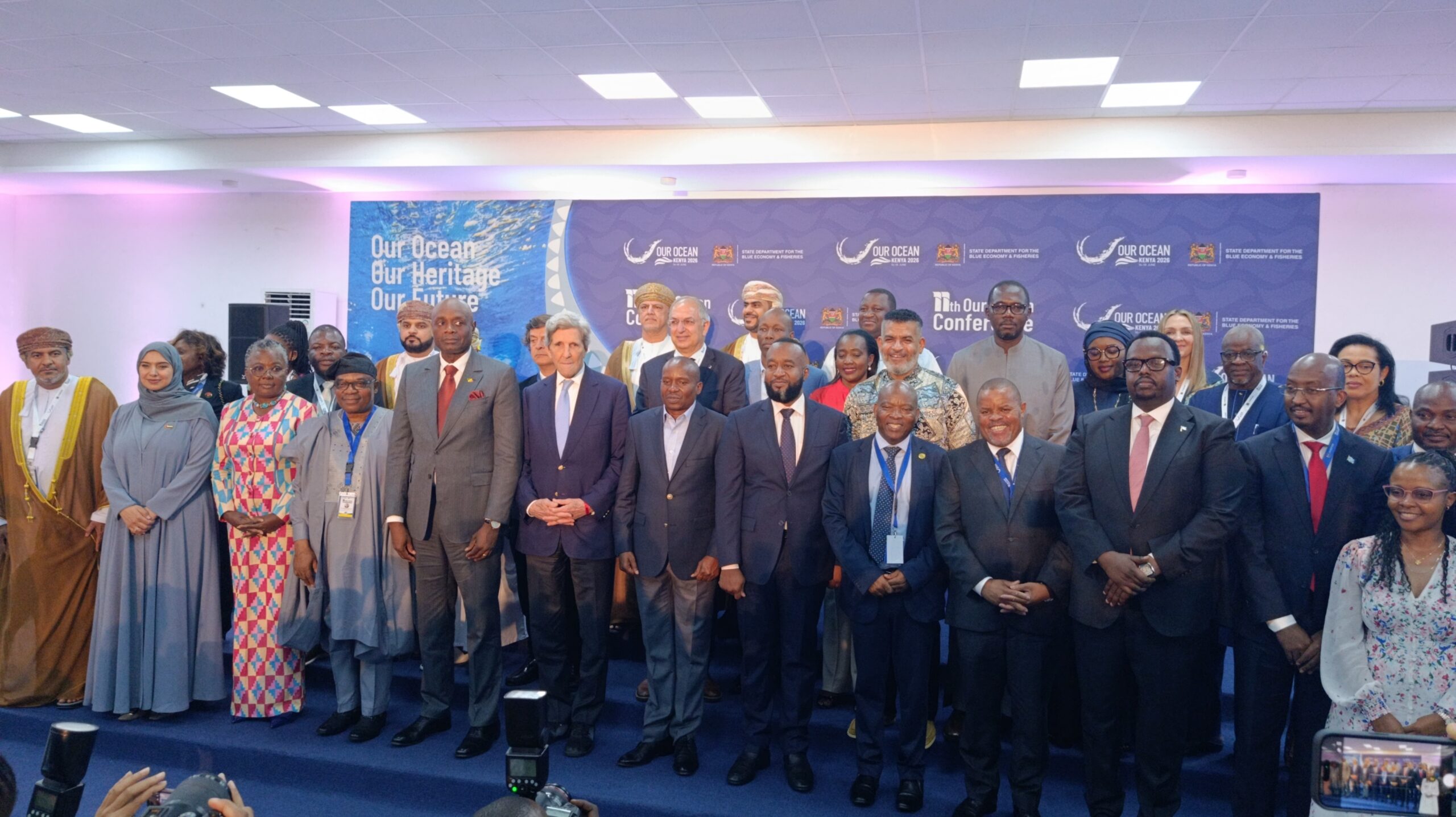
The commitments were unveiled at the close of the 11th Our Ocean Conference in Mombasa, Kenya, the first edition of the global summit to be hosted on the African continent.
More than 100 governments, international organisations, businesses and civil society groups announced 320 new commitments, reinforcing global efforts to safeguard marine ecosystems while creating sustainable livelihoods from ocean resources.
The conference, which attracted over 6,000 participants from across the world, focused on translating policy promises into measurable investments aimed at addressing climate change, illegal fishing, marine pollution and biodiversity loss.
For Nigeria the outcome of the conference presents fresh opportunities to mobilise investment while also highlighting the urgent need to address persistent challenges, including coastal erosion, marine pollution, illegal fishing and weak fisheries management.
Among the major financial commitments announced at the summit, the World Bank Group pledged $1 billion over the next two years to support developing countries in building sustainable and climate-resilient blue economies.
Canada committed $682 million to strengthen its Small Craft Harbours Programme, aimed at improving fishing infrastructure and supporting coastal communities.
Host country Kenya also unveiled commitments valued at approximately $1 billion, including plans to deploy electronic monitoring systems across all industrial fishing vessels operating within its territorial waters.
French Polynesia announced plans to strengthen protection of the Tainui Atea Marine Protected Area, regarded as the world’s largest marine protected area, by establishing more than 27,000 square kilometres of new regulated fishing zones, coastal protection areas and seamount conservation sites.
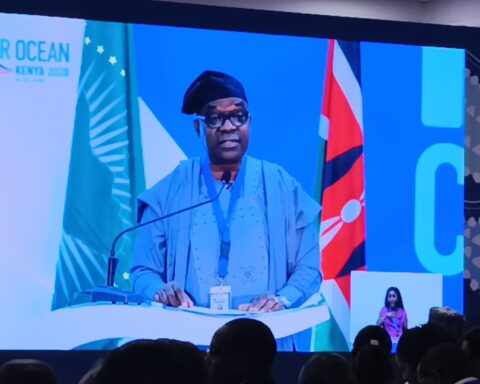
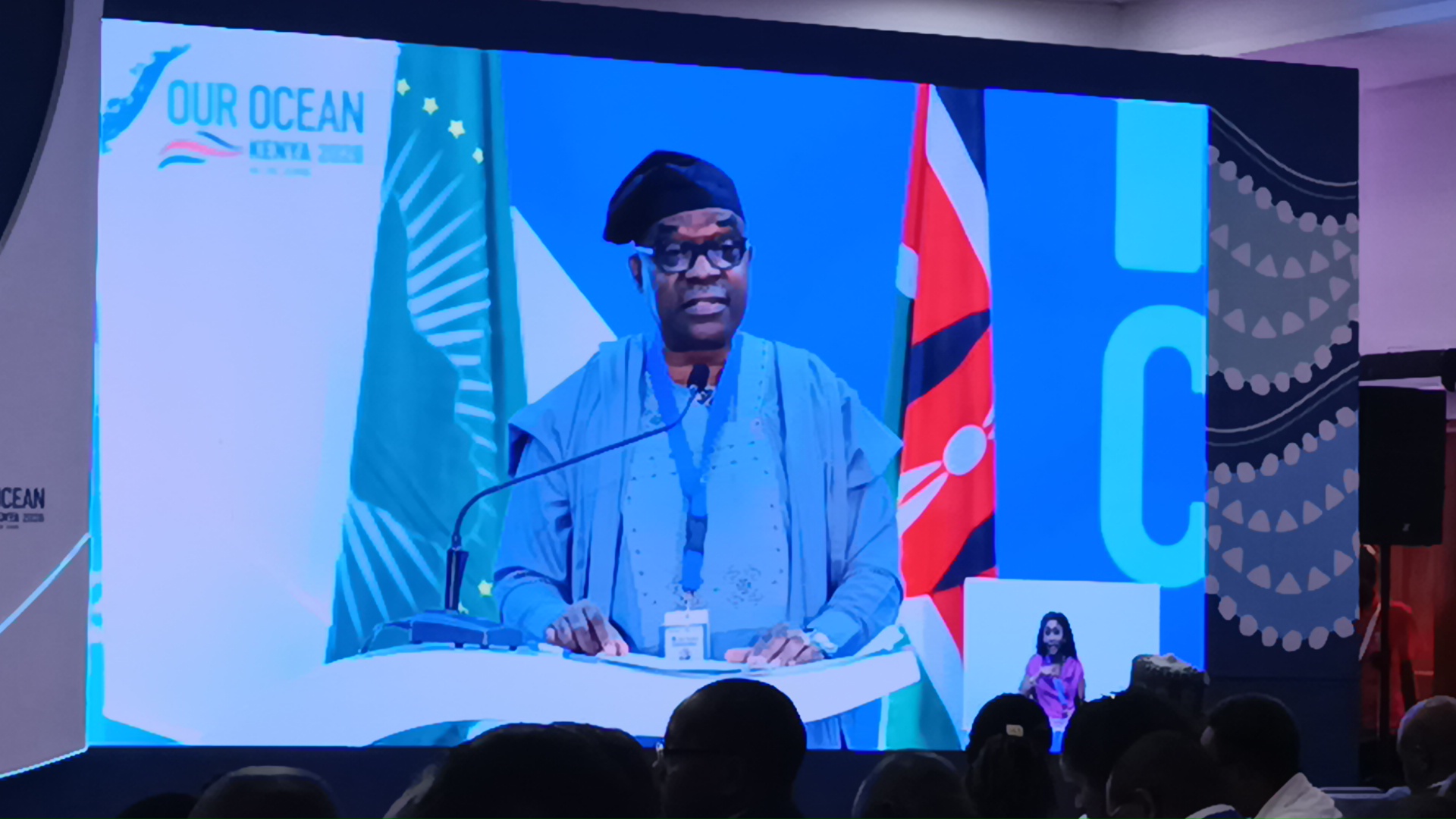
Speaking at the closing ceremony, Kenya’s Cabinet Secretary for Mining and Blue Economy, Hassan Ali Joho, described the conference as a turning point for global ocean governance.
“This conference is about turning words into commitments, commitments into action, and action into a legacy we can all be proud of,” he said.
Africa’s growing influence in global ocean governance featured prominently throughout the summit.
The continent is home to 38 coastal and island nations with more than 13 million square kilometres of Exclusive Economic Zones, making sustainable ocean management increasingly critical to food security, employment and economic growth.
Managing Director for Africa and Global Partnerships at the World Resources Institute, Wanjira Mathai, said Africa’s youthful population made investments in the ocean particularly important.
“Africa is home to the world’s youngest and fastest-growing population. For many young Africans, the ocean is not simply an environmental issue; it is a source of jobs, food security and economic opportunity.
“The commitments announced in Mombasa demonstrate growing recognition that investing in ocean health is investing in Africa’s future,” she said.
A significant proportion of the commitments announced during the conference targeted challenges confronting African countries, including sustainable fisheries management, blue carbon projects, marine conservation and efforts to combat Illegal, Unreported and Unregulated fishing.
Experts estimate that illegal fishing costs African economies between $11 billion and $13 billion annually, threatening food security and undermining livelihoods across coastal communities.
Youth participation also emerged as a central theme during the conference.
The parallel Youth Leadership Summit brought together young innovators, entrepreneurs, researchers and environmental advocates from across Africa to showcase practical solutions for ocean conservation.
One of the featured sessions highlighted youth-led mangrove restoration projects in Kenya designed to improve biodiversity, strengthen coastal resilience against climate change and support local livelihoods.
Organisers noted that with over 70 per cent of Africa’s population under the age of 35, empowering young people would be critical to achieving long-term ocean sustainability.
Beyond announcing fresh investments, the conference also reviewed progress made since the launch of the Our Ocean Conference initiative in 2014.
According to an assessment by the World Resources Institute, approximately 78 per cent of commitments made over the past decade in Africa have either been completed or are currently being implemented.
Although many earlier commitments originated from international partners, this year’s conference reflected a growing shift toward African-led financing, implementation and regional leadership in ocean governance.
Nigeria’s participation comes as the country seeks to expand its blue economy to diversify revenue sources beyond crude oil while addressing mounting environmental challenges affecting coastal communities.
By Dare Akogun, Mombasa
This story was produced as part of the 2026 Our Ocean Conference Fellowship organized by Internews’ Earth Journalism Network