
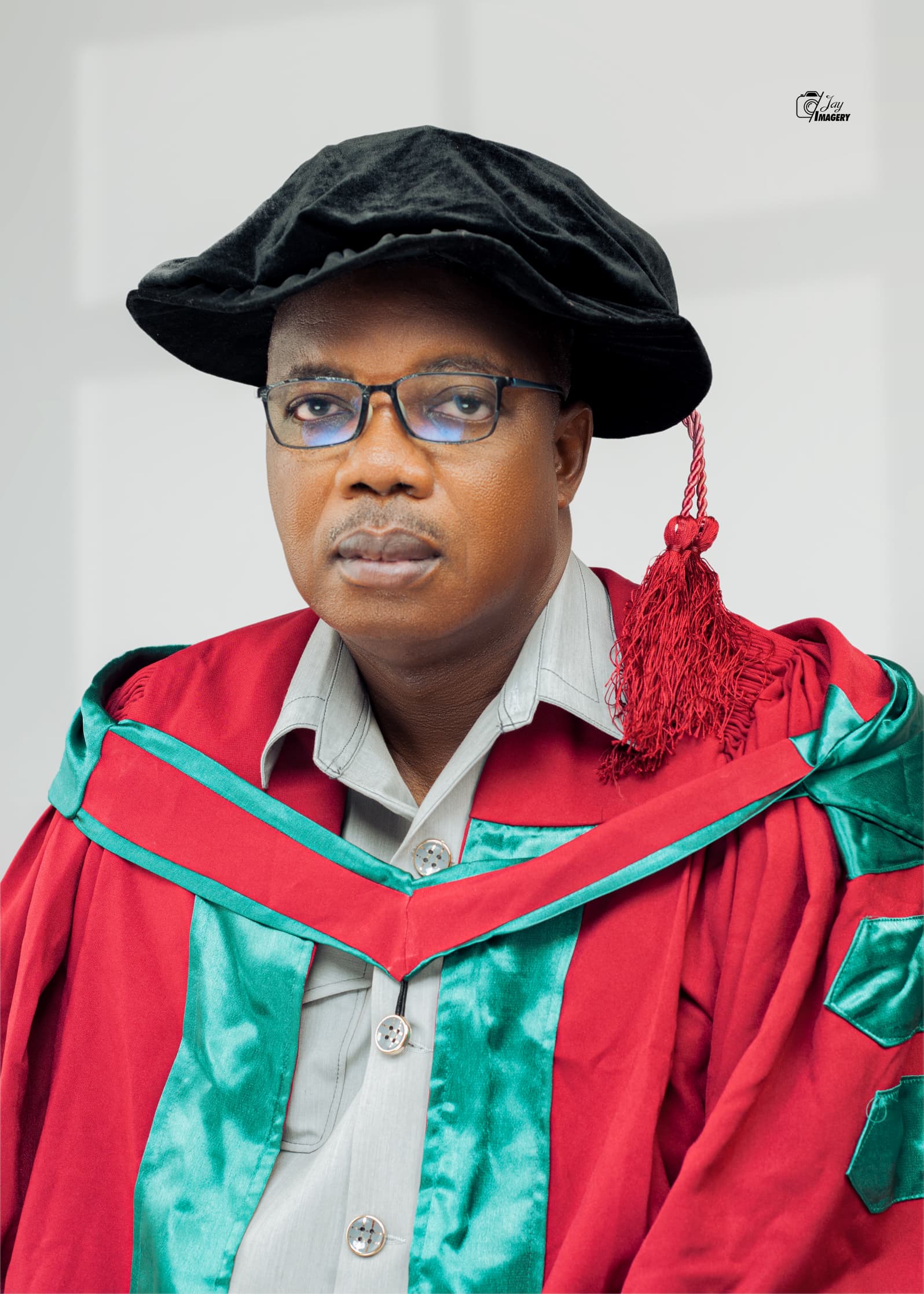
The Immediate past National President of the Fisheries Society of Nigeria, Dr. Adegoke Agbabiaka, has identified the absence of standardization in fish seed, quality feed production from locally available resources, inadequate linkage between research and aquaculture systems as the biggest obstacles preventing Nigeria from realising its fish production potential.
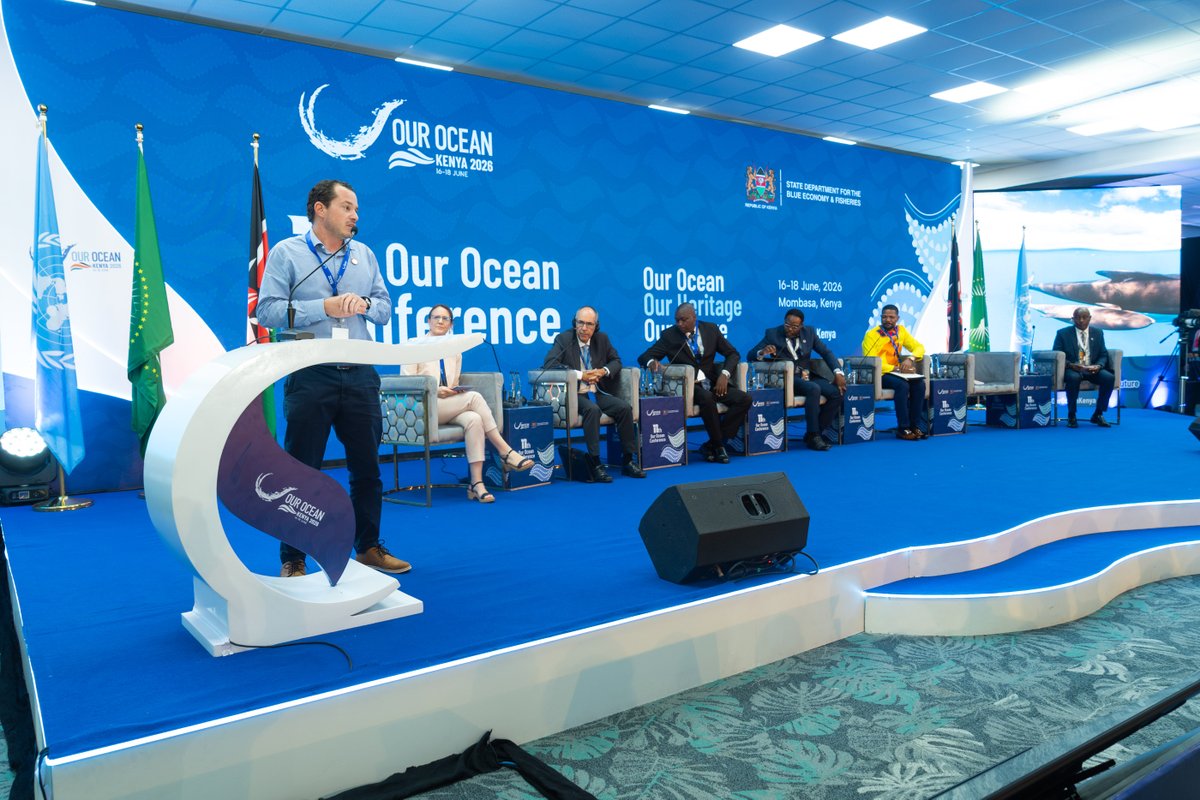
Speaking with The PUNCH at the 11th Our Ocean Conference in Mombasa, Kenya, on Thursday, Agbabiaka said Nigeria would continue to struggle to compete with leading aquaculture-producing countries unless it establishes a coordinated system for producing quality fish seeds backed by research and genetic improvement.
His remarks come against the backdrop of the latest report by the Food and Agriculture Organization of the United Nations, which showed that global fisheries and aquaculture production reached a record 235 million tonnes in 2024, highlighting the increasing importance of aquatic foods in global food security despite Africa’s persistent production and sustainability challenges.

Agbabiaka, who is also the ECOWAS Coordinator for Non-State Actors in Fisheries and Aquaculture under the Pan African Fisheries body (Afrifish-Net) argued that while several African countries have made significant progress in standardising fish production systems, Nigeria has continued to lag behind.
According to him, the country’s inability to establish quality standards for fish seed production and alternative Aquaculture candidates of proven pedigree have continued to weaken productivity and discourage investment in the sector.
“If somebody tells you fish production is increasing in Nigeria, I disagree because as few people are moving into the sector, several actors are exiting due to low productivity/ income vis-a-vis input costs. We have not addressed the foundation of aquaculture development, which is standardization,” he said.
“The first issue is genetics. If you cannot control the quality of your fish seed, you cannot control your yields. That is the beginning of every successful aquaculture industry.”
Drawing comparisons with neighbouring countries in Africa, Agbabiaka said fish farmers in countries such as Ghana and Egypt could trace the genetic origin and quality of fingerlings before purchase, a practice that remains largely absent in Nigeria.
“If you go to Ghana today to buy tilapia fingerlings, they will tell you the genetic line you are buying. The same applies in Egypt. There is traceability and quality assurance,” he said.
“But in Nigeria, we don’t have that level of standardization. Everybody is producing whatever they like, and that affects productivity.”
The fisheries expert lamented that despite having research institutes dedicated to fisheries development, Nigeria has made little measurable progress in developing improved fish breeds over the past two decades.
“We have research institutes, but what have they achieved in the last 20 years due to corruption and underfunding? Which improved fish varieties have they successfully produced and commercialised?” he queried.
He explained that advances in genetics have enabled several countries to shorten fish production cycles and improve productivity.
“When we were in the university in the 1980s, African giant catfish took between nine months and one year to reach a market size of one kilogram. Today, with proper genetic improvement and management, the same fish can reach one kilogram in about four months,” he said.
“That is what research and standardization can achieve.”
Agbabiaka also blamed Nigeria’s dependence on imported fish broodstock and feeding materials especially fishmeal including necessary essential amino acids for rising production costs, saying many hatcheries rely heavily on imported broodstock and other breeding inputs not to talk about feeds for hatcheries not produced in Nigeria!
According to him, developing local feeding and breeding programmes would significantly reduce production costs while improving fish quality.
“Most of the breeding materials we use today are imported. Once you depend on imports, exchange rate fluctuations, freight costs and import duties automatically increase production costs,” he said.
He called for stronger collaboration between our Specialized Agriculture Universities, research institutes and government agencies to develop certified fish seed production systems and encourage utilization of alternative feed resources capable of supporting commercial aquaculture.
“The role of our universities and research institutions should be to develop superior genetics that farmers can trust; likewise publicize breakthroughs in local feedstuffs utilization with affordable value addition in the area of post-harvest. That is how countries build competitive fisheries and Aquaculture industries,” he said.
Agbabiaka stressed that Nigeria possesses enormous natural resources to become one of Africa’s leading fish-producing nations but warned that the country would continue to underperform unless scientific research, genetic improvement and standardisation become national priorities.
“We have the potential, but potential alone is not enough. Until we standardise production and improve the quality of our fish seed and feed production through research, Nigeria will continue operating below its capacity,” he added.
By Dare Akogun, Mombasa, Kenya
This story was produced as part of the 2026 Our Ocean Conference Fellowship organized by Internews’ Earth Journalism Network