
The United Nations Convention to Combat Desertification has launched the Silk Road Caravan in Türkiye, beginning a historic transcontinental journey aimed at drawing global attention to the worsening degradation of rangelands and the struggles of pastoralist communities across dryland regions.
The initiative, unveiled in Antalya on Tuesday, forms part of activities marking the International Year of Rangelands and Pastoralists 2026 and serves as a symbolic bridge between the UNCCD COP16 held in Riyadh, Saudi Arabia, and the forthcoming COP17 scheduled for Ulaanbaatar, Mongolia, in August 2026.
Traversing ancient Silk Road routes across Eurasia, the caravan will engage pastoralists, environmental experts, filmmakers, researchers and local communities in documenting both traditional and science-driven solutions to land degradation, drought and climate vulnerability.
The campaign is expected to travel through Türkiye, Kazakhstan, Kyrgyzstan, Uzbekistan, Mongolia, China and Russia, while countries around the world have also been encouraged to organise local activities on Desertification and Drought Day on June 17 under the theme, “Rangelands: Recognize. Respect. Restore.”
The initiative comes amid growing concerns over the rapid degradation of rangelands globally, threatening food systems, water security, biodiversity and the livelihoods of nearly two billion people who depend directly on these ecosystems.
According to the UNCCD, rangelands currently cover more than half of the Earth’s land surface and provide one-sixth of global food production alongside most of the world’s livestock feed.
Speaking during the launch ceremony in Antalya, UNCCD Executive Secretary Yasmine Fouad described the Silk Road Caravan as a major global awareness initiative designed to place rangelands and pastoralist communities at the centre of international climate and land restoration conversations.
“Rangelands cover more than half of the Earth’s land surface and support billions of people, yet in some regions are disappearing faster than rainforests,” Fouad said.
“The Silk Road Caravan brings these landscapes and their stewards to the forefront of global attention, as we move from UNCCD COP16 in Riyadh to COP17 in Ulaanbaatar with a shared responsibility to restore land, build drought resilience and secure our common future.”
Türkiye, which hosted the official launch of the initiative, said the project symbolises a broader global effort to promote sustainable land management and preserve pastoralist livelihoods.
Deputy Minister of Environment, Urbanization and Climate Change of Türkiye, Hasan Suver, said the journey across diverse landscapes would help amplify the importance of rangelands as both ecological and cultural assets.
“This meaningful and symbolic journey, stretching from Türkiye to Mongolia, represents a major awareness-raising initiative aimed at promoting the protection of rangelands, sustainable pastoralist livelihoods, and holistic approaches to land management,” Suver stated.
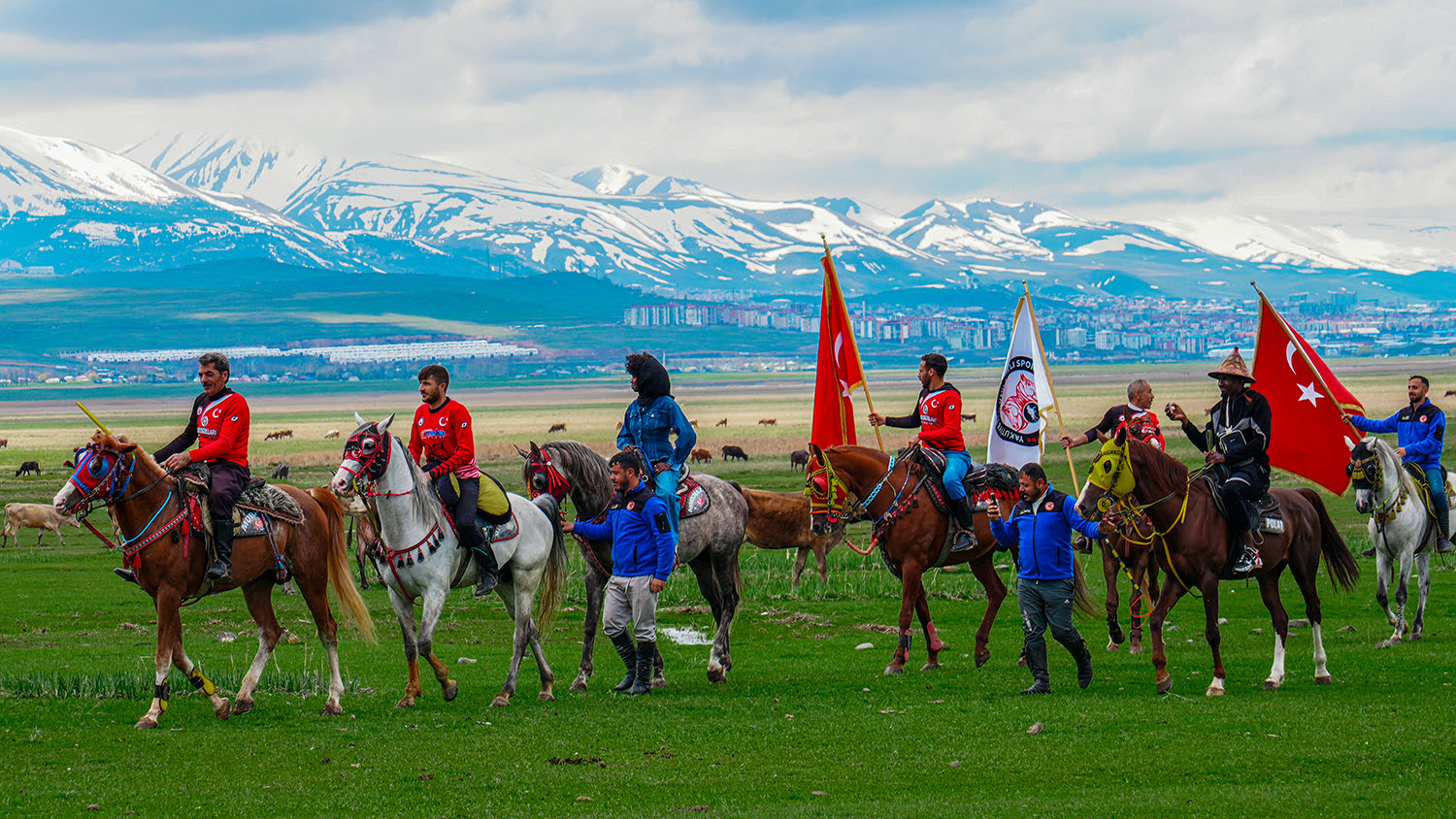
He explained that the caravan had already travelled through several Turkish cities, including Erzurum, Malatya and Gaziantep, where interactions with local communities highlighted the economic and cultural importance of grazing ecosystems.
“Through the field visits, filming, interviews, and meetings with local communities carried out along the way, we have once again seen that rangeland ecosystems are not only natural resources, but also an essential part of cultural heritage, economic resilience, and social sustainability,” he added.
The Silk Road Caravan is also expected to rely heavily on storytelling and digital engagement to broaden global conversations around land restoration and pastoralism.
Filmmakers and content creators travelling with the caravan will produce documentaries, short films and social media reports capturing the realities of pastoral communities across Eurasia.
UNCCD Goodwill Ambassador and Malian musician, Inna Modja, who joined part of the journey across Türkiye, said the initiative would help amplify the voices of communities often excluded from major policy conversations.
“I am honoured to join an initiative that brings together cultures, traditions and knowledge shaped by the land,” Modja said.
“Along this journey, we will carry the voices of pastoral communities across regions, revealing how deeply people and land are connected.”
She added that the project would contribute significantly to ensuring pastoral communities receive greater global recognition and policy support.
“I believe the Silk Road Caravan will be a powerful contribution to the International Year of Rangelands and Pastoralists 2026, helping ensure these communities and landscapes are truly seen, heard and valued,” she said.
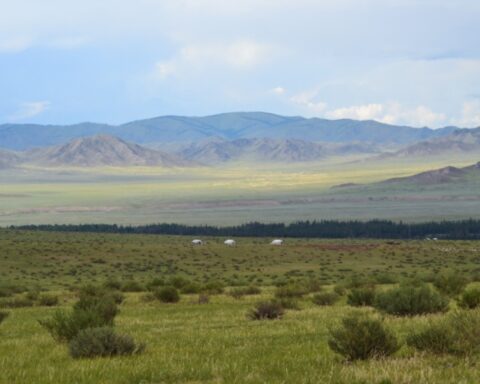
The Eurasian steppes through which the caravan will travel represent the world’s largest continuous grazing ecosystem, stretching more than 8,000 kilometres from the Black Sea region to Northeast China.
The region accounts for approximately one-quarter of the world’s rangelands and over six per cent of the Earth’s total land surface.
Characterised by arid and semi-arid conditions, these landscapes support millions of pastoralists whose livelihoods depend heavily on livestock and seasonal grazing systems.
Experts say these fragile ecosystems are increasingly threatened by climate change, drought, unsustainable land use and rapid economic transformation.
The Silk Road Caravan also builds on decisions reached during UNCCD COP16 in Riyadh in 2024, where countries adopted the convention’s first-ever dedicated decision focused specifically on rangelands.
The landmark decision urged governments to prioritise sustainable rangeland management, halt indiscriminate land conversion and protect pastoral communities from exclusion in land governance processes.
Saudi Arabia, which presided over COP16, said the momentum generated in Riyadh must now translate into practical actions capable of restoring degraded landscapes and strengthening resilience in dryland regions.
Chief Executive Officer of the Saudi National Center for Vegetation Cover Development and Combating Desertification, Ahmed Saleh Al-Ayada, said countries were increasingly recognising the importance of coordinated investments and policies for rangeland protection.
“COP16 marked an important step forward, with countries agreeing for the first time on a dedicated decision to support the sustainable management of rangelands,” Al-Ayada said.
“As COP16 Presidency, we remain committed to maintaining this momentum — working with partners to translate commitments into coordinated action that strengthens resilience and supports livelihoods in rangelands and beyond.”
Attention is now shifting towards UNCCD COP17 in Mongolia, where world leaders, environmental experts and policymakers are expected to further deepen global cooperation on sustainable land management and drought resilience.
Mongolia, which hosts one of the world’s largest pastoral economies, has already indicated that rangelands and pastoral systems will remain central to negotiations and policy discussions during the summit.
Officer at Mongolia’s Ministry of Food, Agriculture and Light Industry, Uyangaa Enkhtur, said the Silk Road Caravan would help shape global conversations ahead of the conference.
“We look forward to welcoming the Silk Road Caravan to Ulaanbaatar for COP17, where the voices, experiences and solutions gathered along this journey will help shape global policy discussions,” Enkhtur stated.
“Mongolia is committed to delivering strong outcomes for rangelands — advancing their sustainable management, strengthening the role of pastoral communities, and ensuring decision-makers fully recognize the value of these ecosystems and the people who steward them.”
For African countries like Nigeria, observers say the renewed global attention on rangelands presents an opportunity to rethink policies around grazing systems, land restoration, climate adaptation and rural livelihoods, with experts warning that nearly half of these landscapes are already degraded or facing severe ecological stress due to overgrazing, desertification, climate change, land conversion, extractive activities and poor land governance.
The growing global focus on rangelands is expected to resonate strongly.
Northern Nigeria, particularly states bordering the Sahel region, has witnessed years of environmental degradation linked to climate change, shrinking grazing reserves and desert encroachment.
The ecological crisis has contributed significantly to violent conflicts between farmers and pastoralists, displacement of rural communities, declining agricultural productivity and rising insecurity across parts of the country.
Environmental experts have repeatedly warned that weak investments in sustainable land management and pastoral systems continue to deepen climate vulnerability in many African drylands.
In recent years, Nigeria has struggled with intensifying land-use conflicts linked to shrinking grazing lands and environmental stress across the northern region.
The Federal Government has launched several initiatives aimed at combating desertification and restoring degraded landscapes, including the Great Green Wall project and climate-smart agriculture programmes.
However, environmental advocates argue that implementation gaps, weak funding and insecurity continue to undermine progress.
With drylands covering large portions of Northern Nigeria and millions depending on livestock production for survival, experts believe lessons from the Silk Road Caravan and discussions expected at COP17 could shape future policy directions around sustainable pastoralism and land governance in the country.
As the caravan continues its journey across ancient trade routes, global attention is expected to remain fixed on one urgent message: protecting rangelands may prove critical not only for biodiversity and climate resilience, but also for food security, peace and survival in some of the world’s most vulnerable regions.
By Dare Akogun