
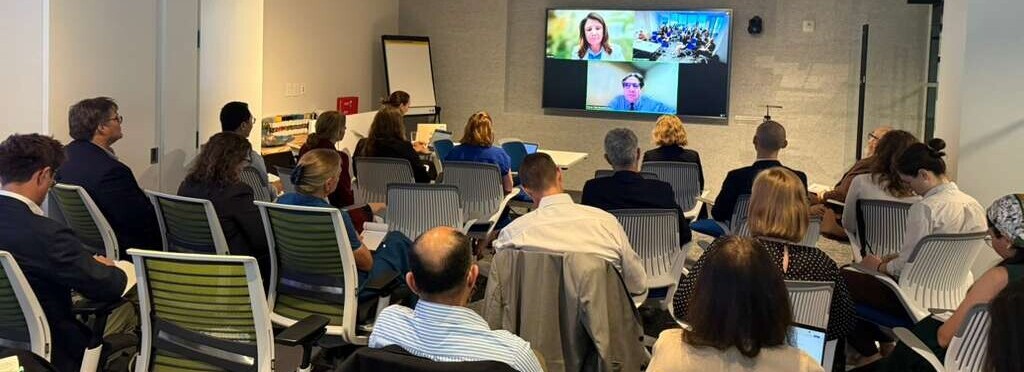
The COP30 Presidency has intensified global efforts to halt deforestation and forest degradation by 2030, as governments, financial institutions, and civil society actors converged at a high-level session during the World Bank Spring Meetings.
The session, convened by the COP30 Presidency alongside the National Audubon Society and the Nature4Climate Coalition, marked the first major engagement with stakeholders following the close of public consultations on the proposed global roadmap on April 10.
The roadmap, spearheaded by Brazil ahead of COP30, is designed to accelerate coordinated global action to reverse forest loss, a key pillar in achieving climate and biodiversity targets.
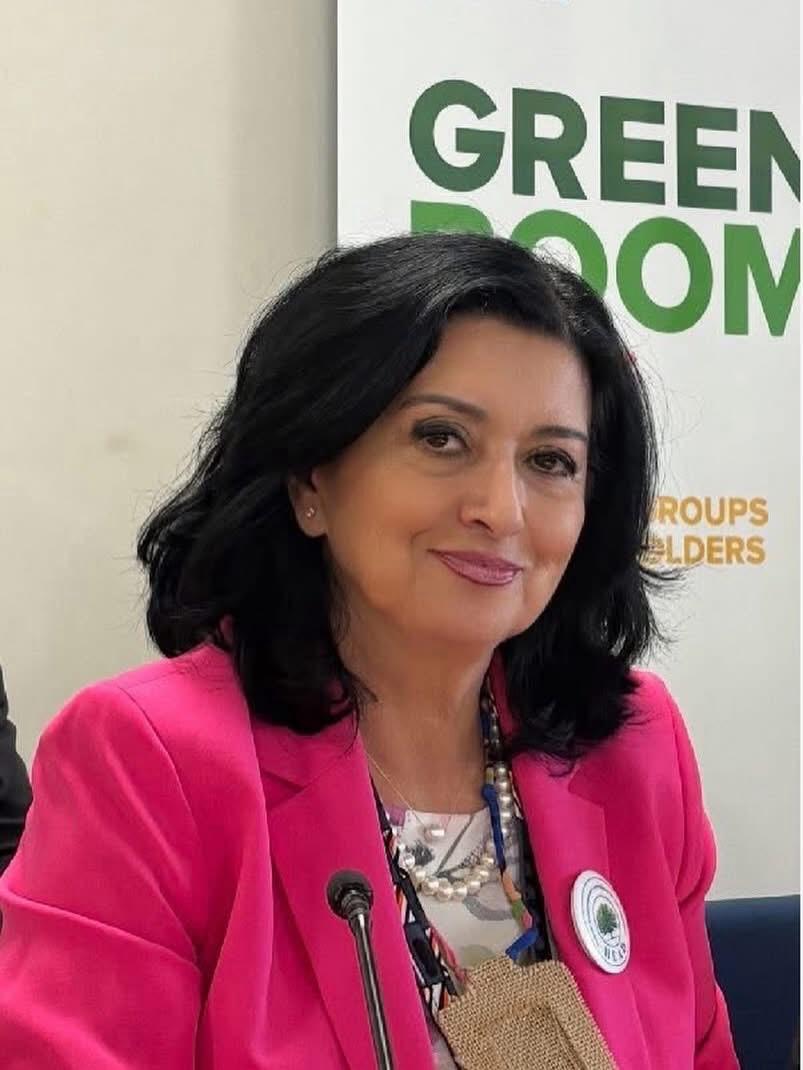
Speaking at the session, Ana Toni, Chief Executive Officer of the COP30 Presidency, said the initiative is intended as a practical tool rather than another negotiated agreement.
“This is not a negotiated roadmap; it is not part of a consensus process. This is an offer from the COP30 Presidency to provide something practical, to look at solutions that can help us halt and reverse deforestation and forest degradation by 2030,” Toni said.
She noted that the roadmap aims to build on existing global frameworks, policies, and solutions, rather than duplicating efforts.
“There is already a lot of work on international standards, national policies, and solutions that this community has developed over many years.
So this roadmap is about building on that work and identifying what can be scaled and accelerated,” she added.
Also speaking, Marco Tulio Scarpelli Cabral, who leads the roadmap process, acknowledged the scale of the challenge, describing it as comparable to the ambition of the Paris Agreement.
“It’s not going to be easy to halt and reverse deforestation and forest degradation by 2030. We believe this is a level of ambition comparable to the Paris Agreement itself,” Cabral said.
“Difficult as it is, it is vital, and we have to aim for it. We need more than studies, we need political mobilisation and commitment.”
Participants at the meeting stressed that the roadmap must function as a delivery mechanism, with clear roles for institutions and sustained momentum beyond COP31.
They emphasised that realigning economic incentives would be critical to success, including reforming subsidies that drive deforestation, strengthening market signals, and scaling up investment in sustainable land use.
Stakeholders also highlighted the need for deeper engagement with central banks, multilateral development banks, and private financial institutions to unlock financing for forest conservation.
A major theme that emerged from the discussions was the need to reposition forests within global economic decision-making.
Participants called for forests to be treated not just as environmental assets, but as central to economic growth, urging finance ministries and development planners to integrate forest protection into national economic strategies.
Unlike traditional UN climate outcomes, the roadmap is not expected to be a negotiated text.
Instead, it is designed as a unifying framework to connect and accelerate existing commitments across climate, biodiversity, and land-use agendas.
This approach, participants noted, could help streamline fragmented global efforts and avoid adding to an already crowded policy landscape.
The coming months are expected to be critical in refining and testing the roadmap through a series of international engagements, including the UN Forum on Forests, the UN climate intersessional meetings in Bonn, London Climate Action Week, and Climate Week in New York.
The final roadmap is expected to be delivered ahead of COP31, with stakeholders urging a rapid transition from commitments to implementation.
Christine Dragisic of the National Audubon Society described the initiative as a pivotal opportunity to galvanise global action.
“Under Brazil’s leadership, this roadmap is a unique opportunity to catalyse global momentum to end deforestation and forest degradation by 2030, and restore forests and other ecosystems,” she said.
She added that protecting forests is essential not only for biodiversity but also for communities and economies worldwide.
Analysts say the success of the roadmap will ultimately depend on political will, financing, and the ability of governments and institutions to translate commitments into measurable action.
As global forest loss continues to threaten climate targets, the COP30 Presidency’s push signals a renewed attempt to align environmental ambition with economic realities, a shift many observers say is long overdue.
By Dare Akogun