
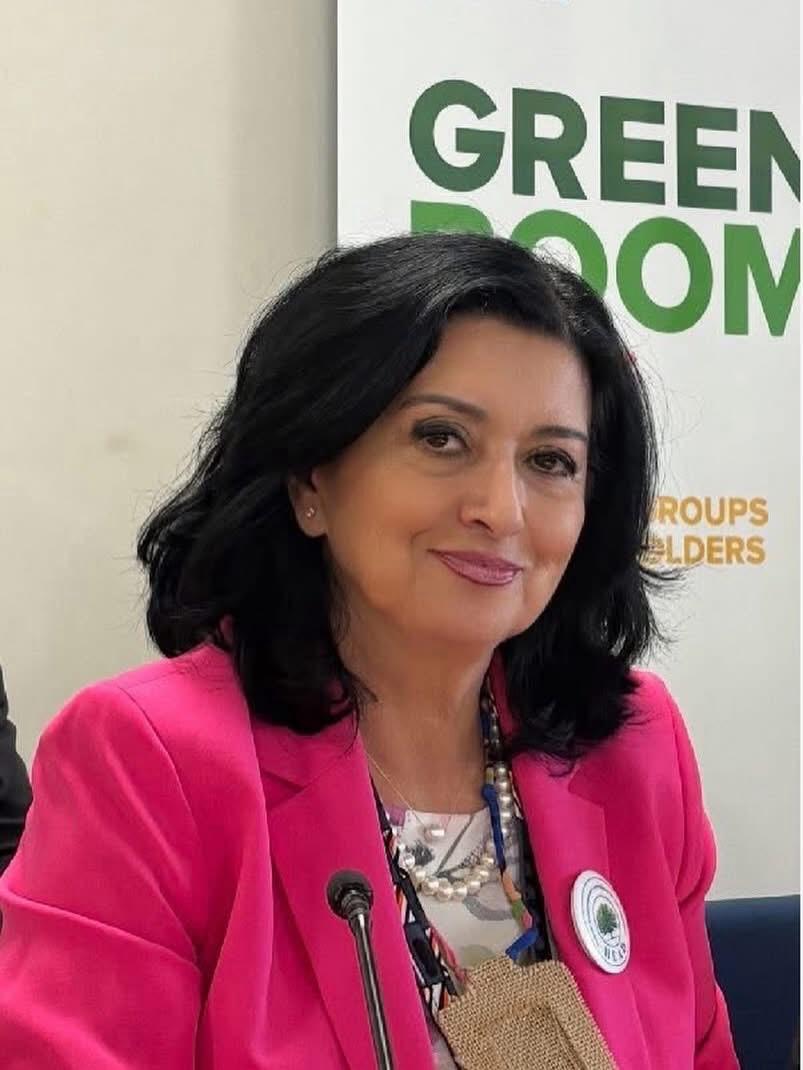
Gender equality is being increasingly sidelined in global environmental governance, a development that risks undermining effective climate and sustainability outcomes, a leading environmental advocate has warned.
Chairman and Executive Director of the Human Environmental Association for Development, Marie-Therese Merhej Seif, raised the concerns in an exclusive interview with DA News, ahead of the 173rd meeting of the Committee of Permanent Representatives (CPR) to the United Nations Environment Programme in Nairobi.
Seif, who is also a member of Women’s Major Group and UNEP Regional Facilitator of West Asia for MGS, is scheduled to contribute under Agenda Item 3 Assessment of UNEA-7, said outcomes from the seventh session of the United Nations Environment Assembly reflected a troubling regression on gender inclusion.
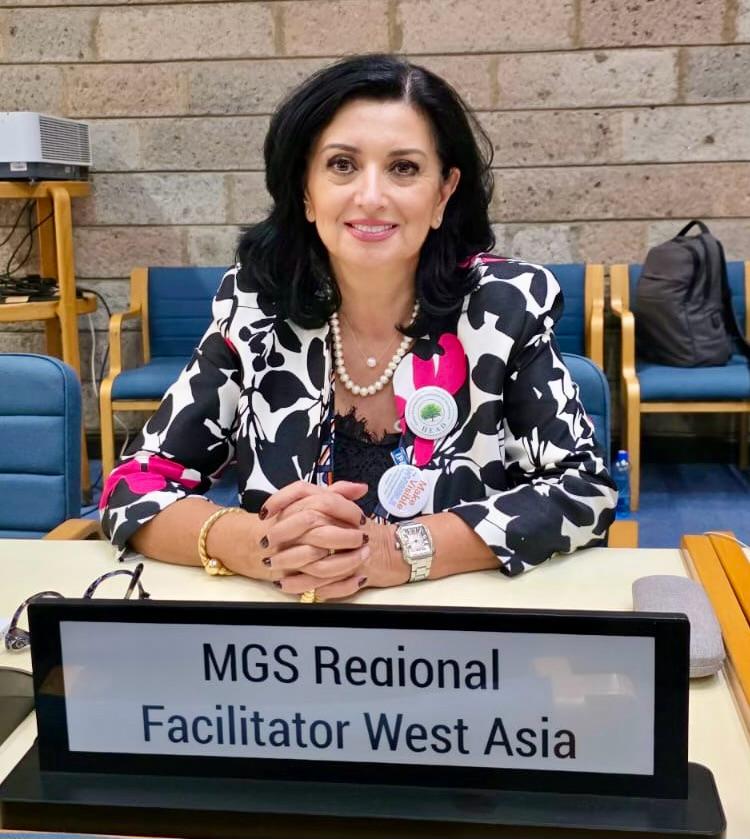
“At UNEA-7, the regression is visible in the weak or absent references to gender equality across several resolutions, particularly in areas like chemicals, pollution, and resource governance,” she said.
According to her, gender-responsive language was inconsistently integrated, with references to women’s leadership, rights, and differentiated impacts either diluted or removed during negotiations despite existing mandates such as UNEA Resolution 4/17, which calls for gender integration across UNEP’s work.
“The gap between mandate and outcome reflects a deprioritisation of gender equality,” she added.
Governance failure, not just a gender issue
Seif described the trend as a broader governance failure rooted in systemic weaknesses within global environmental institutions.
She identified key challenges, including the treatment of gender as an optional consideration rather than a cross-cutting priority, lack of accountability mechanisms, limited institutional capacity, and unequal power dynamics in negotiations where gender language is often weakened.
“This is not just a gender issue; it is a governance failure,” she stressed.
Her position aligns with longstanding advocacy by UN Women, which has consistently emphasised that gender equality is central to achieving sustainable development and climate resilience.
UN Women notes that women are disproportionately affected by environmental degradation and climate change, yet remain underrepresented in decision-making processes. The agency has also highlighted that empowering women and integrating gender perspectives into environmental policies significantly improves outcomes.
Drawing from her experience in West Asia, Seif highlighted how environmental challenges intersect with conflict, displacement, and economic instability, creating compounded risks for women.
“In West Asia, women are often first responders at the community level, managing resources and supporting resilience. However, these same conditions increase their exposure to violence, exclusion, and economic vulnerability,” she said.
She noted that similar patterns exist globally, particularly in frontline communities where women’s roles are expanding even as the risks they face intensify.
Seif called for urgent action to protect women environmental defenders, journalists, and leaders who increasingly face threats, intimidation, and violence.
She outlined key measures needed, including formal protection frameworks, integration of human rights safeguards into environmental policies, early warning systems for threats, and dedicated funding and legal support mechanisms.
“Protection must move from rhetoric to enforceable systems,” she said.
On why progress has remained slow, Seif cited lack of political will, weak monitoring systems, inadequate resources, and the persistent perception of gender equality as a secondary issue.
She said accountability lies with member states, UNEP leadership, and governing bodies responsible for implementation and oversight.
Looking ahead to the CPR meeting in Nairobi, Seif said meaningful progress would require concrete commitments rather than symbolic language.
She called for reaffirmation and operationalisation of UNEA Resolution 4/17, mandatory gender-responsive language across all outcomes, dedicated funding, stronger participation of the Women’s Major Group, and clear protection commitments for women leaders.
“Without these, commitments risk remaining symbolic rather than transformative,” she warned.
As global environmental governance frameworks come under increasing pressure to deliver inclusive and effective solutions, observers say the outcome of the CPR meeting could signal whether institutions like UNEP are prepared to align their policies with longstanding gender equality commitments.
By Dare Akogun