
As the global aviation industry accelerates its transition toward net-zero carbon emissions by 2050, technological innovation is fast becoming the centrepiece of climate discussions. From hydrogen propulsion systems to electric aircraft prototypes, advanced economies are investing billions of dollars into what many describe as the next frontier of sustainable aviation.
These technologies are expected to feature prominently at the International Civil Aviation Organization (ICAO) Aviation Climate Week 2026 in Montréal, where global regulators and industry leaders will examine pathways to decarbonise air transport.
Across Europe and North America, aircraft manufacturers and research institutions are testing hydrogen-powered engines and exploring electric aircraft designs aimed at reducing aviation’s carbon footprint. The push reflects growing pressure on airlines to meet stricter environmental targets under international climate agreements.
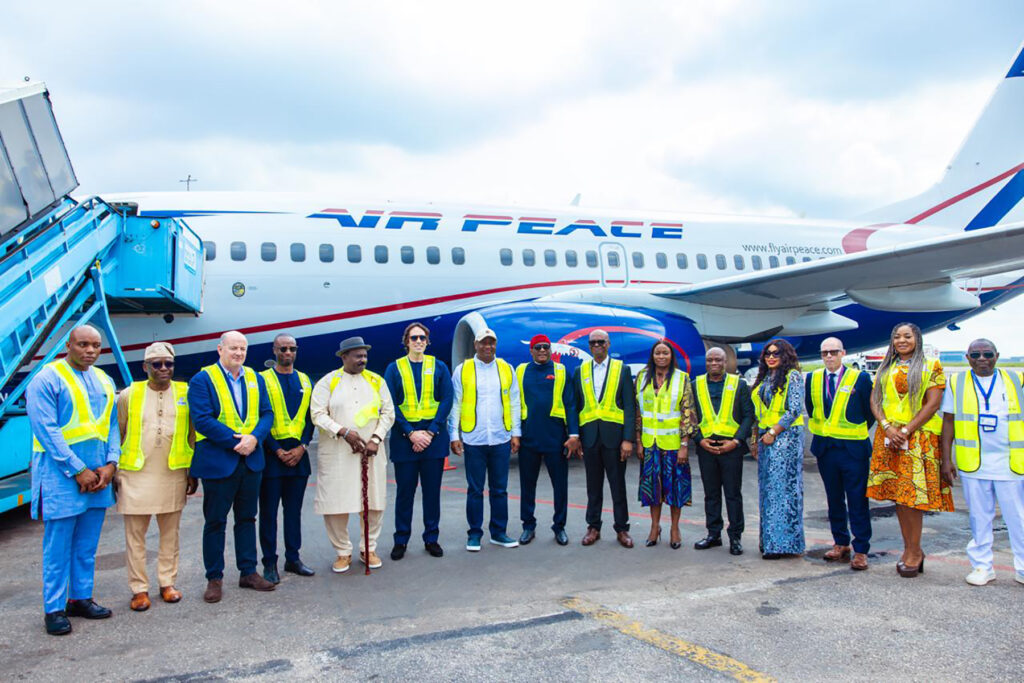
But in Africa, the conversation is more measured.
Industry observers say that while technological breakthroughs abroad are encouraging, African carriers must grapple with practical realities, from weak infrastructure to financing constraints and regulatory gaps.
Professor Anthony Kila, a political economist, told DA News that the continent must prioritise scalable and immediately deployable solutions rather than leapfrogging into high-cost experimental technologies.
“Hydrogen aviation may take decades to reach commercial maturity here. Sustainable Aviation Fuel (SAF) and operational efficiency are more realistic short-term solutions,” Kila said.
According to him, while hydrogen-powered aircraft may eventually transform global aviation, the infrastructure required, including hydrogen production plants, specialised storage facilities, airport retrofitting, and safety regulation frameworks, demands massive capital outlay that many African countries are not yet prepared to shoulder.
A senior ministry source acknowledged that transitioning to hydrogen propulsion would require significant regulatory adjustments and coordinated investments across multiple sectors, including energy and transportation.
“We cannot ignore technological trends. What happens in Europe today may affect aircraft procurement standards tomorrow,” the official said, adding that Nigeria must remain informed and strategically positioned in global aviation policy discussions.
Beyond environmental considerations, experts argue that the shift toward green aviation is fundamentally an economic issue.
“The conversation is not just environmental; it is economic competitiveness,” Kila noted. “If global airlines transition faster and Africa lags, the cost of compliance and aircraft acquisition could increase for our carriers.”
The concern is not unfounded. Aircraft manufacturers increasingly design fleets to meet stricter emissions standards. If African regulators fail to adapt early, airlines could face higher leasing costs, limited fleet options, or penalties linked to global carbon compliance mechanisms.
For now, analysts suggest that African governments should focus on strengthening operational efficiency, including better air traffic management systems, route optimisation, and gradual SAF integration, while building long-term capacity for future hydrogen and electric transitions.
As global aviation moves decisively toward net-zero, the challenge for Africa lies in balancing ambition with practicality, ensuring that sustainability goals do not come at the expense of connectivity, affordability, and economic growth.
The future of flight may well be hydrogen-powered. But for Africa, the path to that future will require strategic pacing, deliberate policy choices, and sustained investment, not just technological optimism.
By Odekola Bose, Ogundele Fawas, Ajayi Morufat