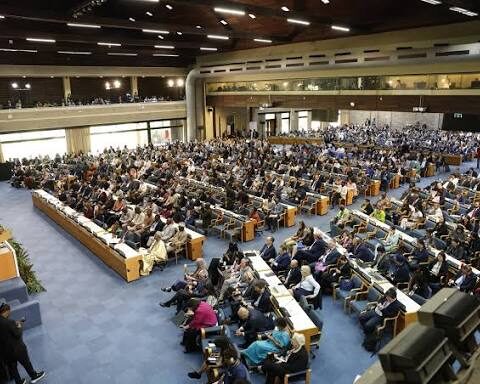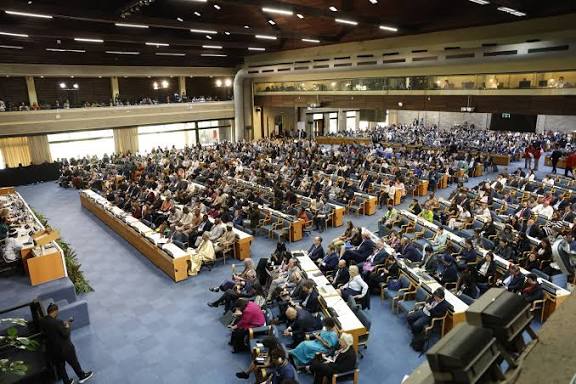

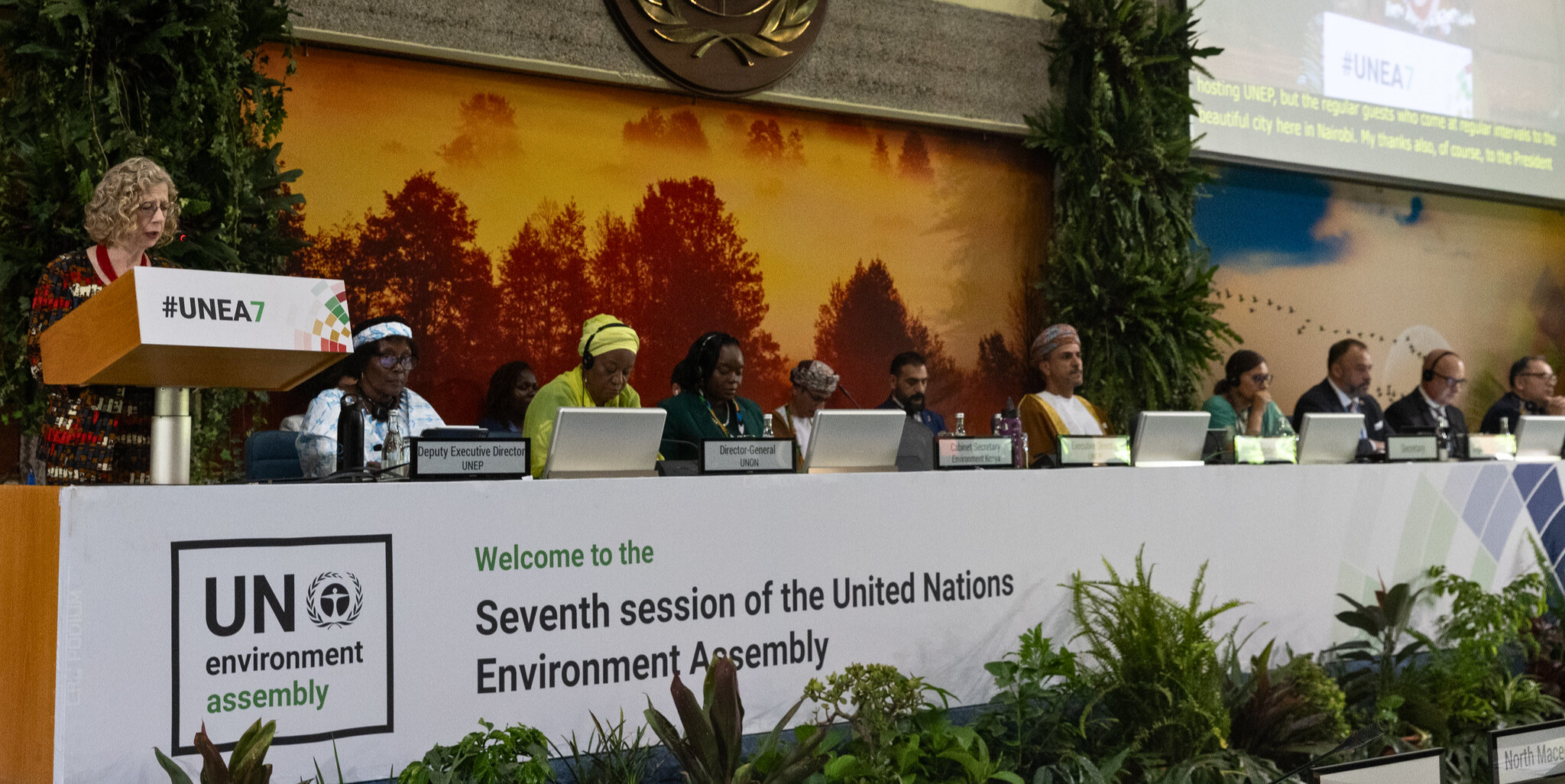
The seventh session of the United Nations Environment Assembly (UNEA-7) opened on Monday in Nairobi with world leaders, ministers, civil society groups and youth delegates converging to chart new solutions for global environmental resilience.
UNEA-7, hosted at the UN Complex in Gigiri, is the world’s highest-level decision-making body on environmental matters, drawing participation from all 193 UN Member States.
The Assembly meets every two years to set priorities and adopt resolutions that guide global environmental policy and define the mandate of the UN Environment Programme (UNEP).
Speaking at the opening ceremony, H.E. Abdullah Bin Ali Al-Amri, President of UNEA-7 and head of Oman’s Environment Authority, said the gathering comes at a critical moment for the planet.
“Today we reaffirm our shared responsibility: to transform our determination into tangible results for people, ecosystems, and our planet’s stability,” he said.
He warned that communities worldwide are facing the combined effects of climate change, biodiversity loss, pollution and waste, stressing that the Assembly’s success depends on trust, transparency and compromise among countries.
This year’s Assembly is expected to negotiate 15 draft resolutions, including proposals on protecting the world’s glaciers, tackling massive seaweed blooms, and reducing the environmental footprint of artificial intelligence.
Although UNEA resolutions are not legally binding, they have historically inspired groundbreaking global agreements.
UNEP Executive Director, Inger Andersen, urged countries to deepen their commitments, noting that global environmental decline is accelerating.
“The rise in global temperatures will likely exceed 1.5°C within the next decade. Ecosystems are disappearing, dust storms intensifying, and toxins continue to pollute our air, water and land,” she said.
“We all want the same thing a stable climate and a pollution-free future. This Assembly must dig deep in the face of turbulent geopolitical waters.”
Ahead of the Assembly, Nairobi hosted the Major Groups and Stakeholders Forum, the Cities and Regions Summit, and the Youth Environment Assembly, which brought together more than 1,000 young people who issued a Global Youth Declaration outlining youth priorities for UNEA-7.
This year’s meeting will also feature high-level dialogues on environmental sustainability in industry, global finance and human health. On 9 December, UNEP is expected to launch the seventh edition of the Global Environment Outlook (GEO-7), a flagship scientific assessment.
The agency will also unveil its Champions of the Earth 2025, honouring outstanding contributors to environmental protection.
Kenya’s Cabinet Secretary for Environment, Climate Change and Forestry, Dr. Deborah Mlongo Barasa, said hosting the Assembly underscores Kenya’s leadership in environmental diplomacy.
“A resilient planet means using our resources wisely and ensuring economic growth respects planetary boundaries. Partnership is not optional it is essential,” she said.
UNEA-7 recorded over 6,000 registered participants from more than 180 countries, including 79 ministers and 35 vice-ministers. The session is being held under the theme: “Advancing Sustainable Solutions for a Resilient Planet.”
By Dare Akogun