
As the world braces for major disruptions driven by technology, evolving global cooperation, and the accelerating green transition, the World Economic Forum (WEF) says nations are increasingly investing in human capital as the defining lever of competitiveness.
In a LinkedIn post on December 4, 2025, Saadia Zahidi, Managing Director and Member of the Managing Board of the World Economic Forum, announced that Nigeria and Azerbaijan have officially joined the Forum’s New Economy Accelerator network, a global coalition dedicated to building the skills and capabilities required for the future of work.
Zahidi said the initiative comes at a critical moment, as countries rethink how to strengthen their workforce in response to rapid economic and technological shifts shaping the 2026 World Economic Forum agenda.
“In a world reshaped by technological change, shifting patterns of cooperation and the green transition, skills are fast becoming the most important currency of competitiveness and opportunity,” Zahidi wrote.
“Across both countries, the message is clear: investing in people today builds the foundations for shared growth, resilience and competitiveness tomorrow.”
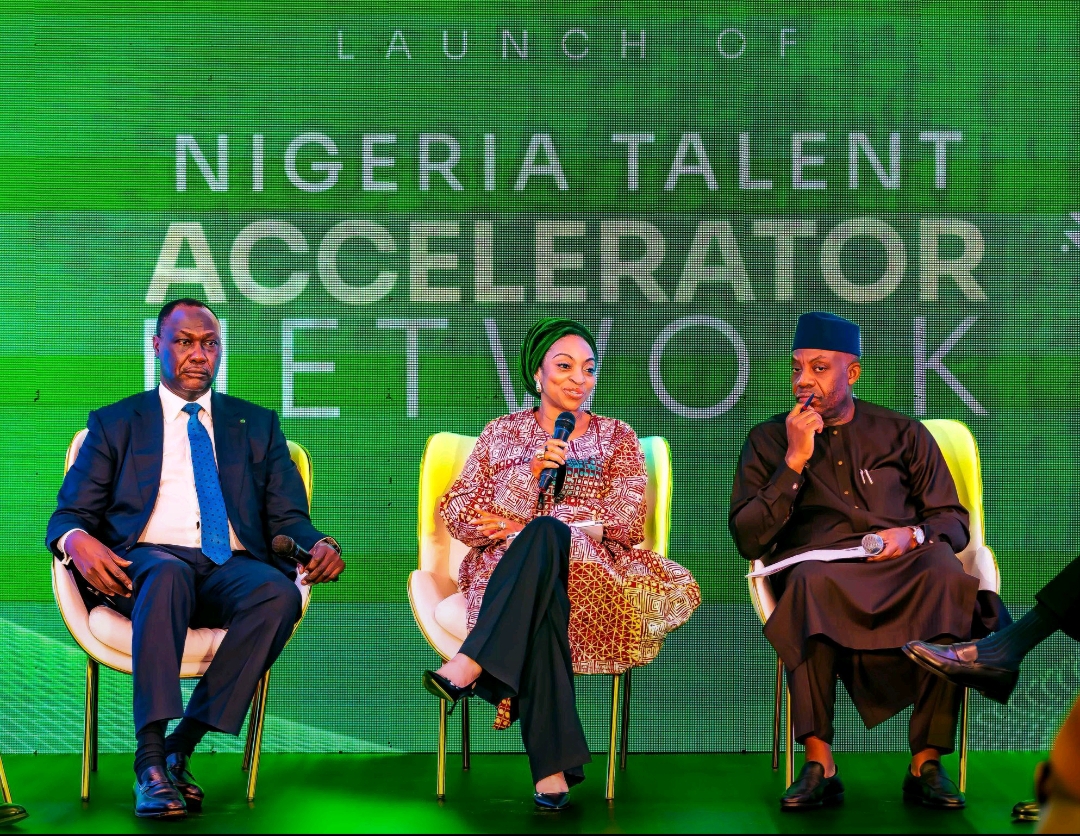
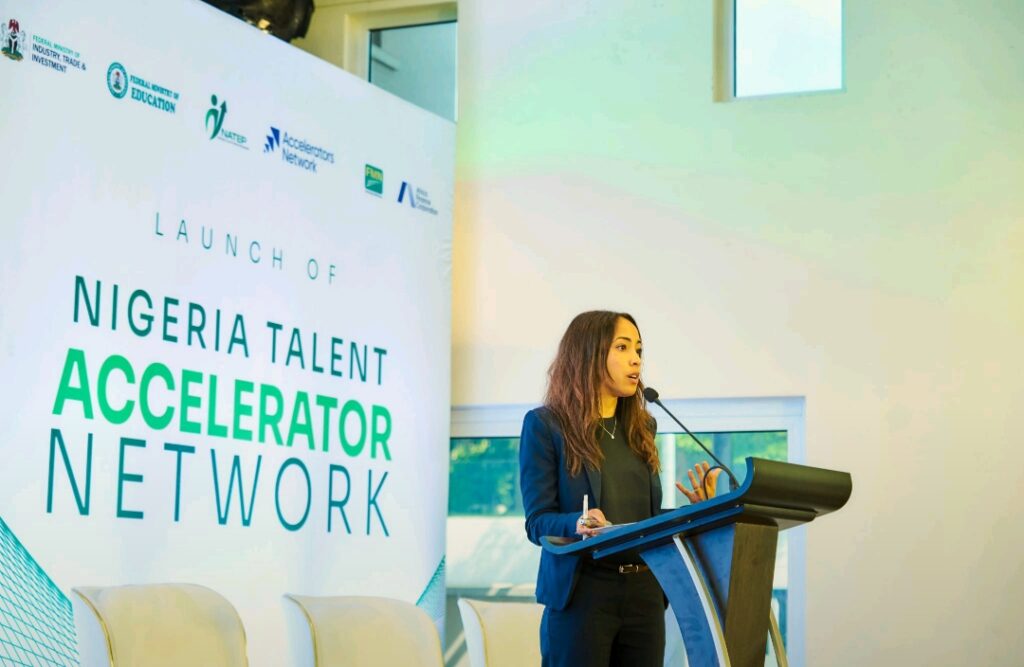
Nigeria, home to one of the world’s largest youth populations, has launched the Nigeria Talent Accelerator, a flagship program designed to close critical skills gaps and build strong talent pipelines across high-growth, technology-enabled and service industries.
The initiative is led by the Federal Ministry of Industry, Trade and Investment and the Federal Ministry of Education, with coordination by the National Talent Export Programme (NATEP) and strong backing from private-sector leaders.
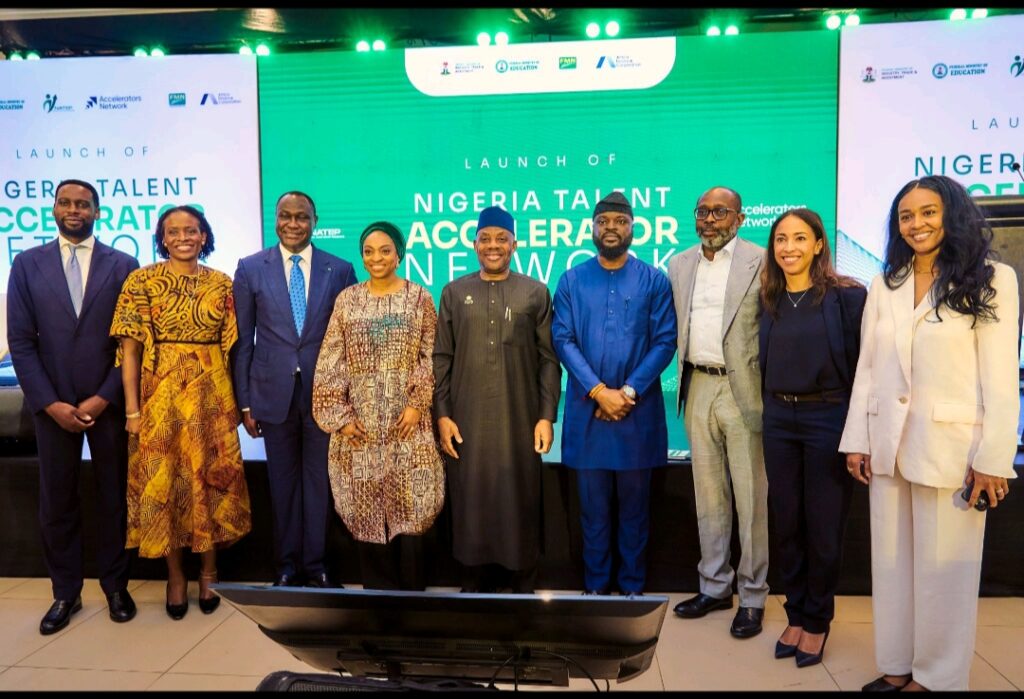
The Accelerator is expected to support Nigeria’s national drive to become a major supplier of globally competitive talent, while boosting job creation and positioning young Nigerians for emerging digital and green economy opportunities.
Similarly, Azerbaijan has launched the Azerbaijan Skills Accelerator, a key component of the country’s broader transition toward a diversified, knowledge-driven economy.
The initiative is spearheaded by the Ministry of Economy and the Ministry of Education, and coordinated by 4SIM Azerbaijan / C4IR Azerbaijan, the nation’s Center for the Fourth Industrial Revolution.
According to Zahidi, Azerbaijan is placing human capital at the heart of its economic strategy, focusing on the green and digital capabilities that will shape the country’s next phase of economic transformation.
The participation of Nigeria and Azerbaijan in the New Economy Accelerator community signals a growing commitment among emerging economies to prepare their workforces for the next industrial era.
With WEF 2026 expected to focus heavily on global inequality, climate transition, AI governance and workforce resilience, both nations are positioning themselves as proactive players in the global economic reshaping.
WEF’s New Economy Accelerators are designed to help countries retool education systems, strengthen workforce development, foster public-private collaboration, and align national strategies with future global demands.
Zahidi emphasized that the global race toward economic competitiveness now depends more on people than on natural resources.
“Countries are investing in the capabilities their people will need for the future of work,” she said.

With Nigeria and Azerbaijan joining the initiative, the Forum expects stronger cross-regional collaboration on technical skills, digital transformation, green jobs, and new pathways for young people to thrive in rapidly evolving labor markets.
As the countdown to the 2026 World Economic Forum Annual Meeting continues, stakeholders across both countries say the accelerators will serve as a strategic foundation for long-term economic resilience and a signal to the world that emerging economies are ready to claim a stronger role in shaping the future.
By Dare Akogun & Chaste Inegbedion