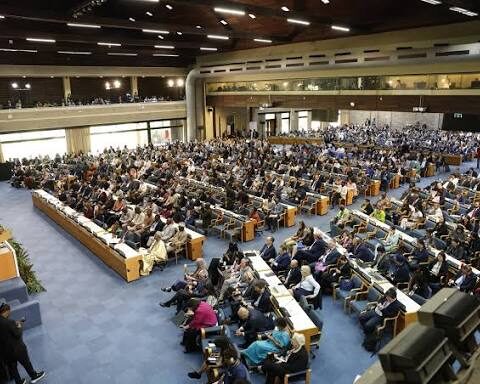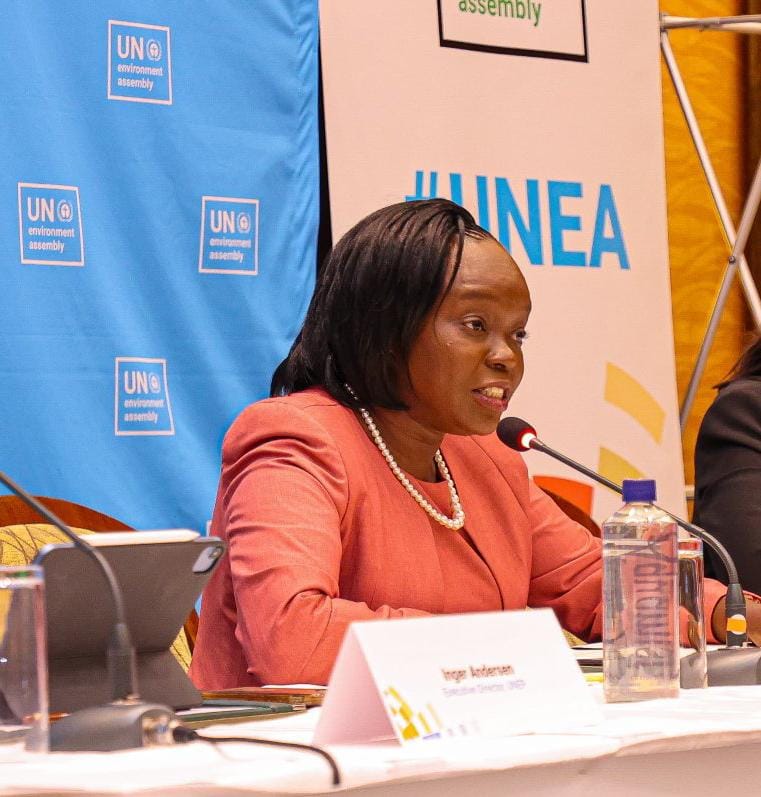

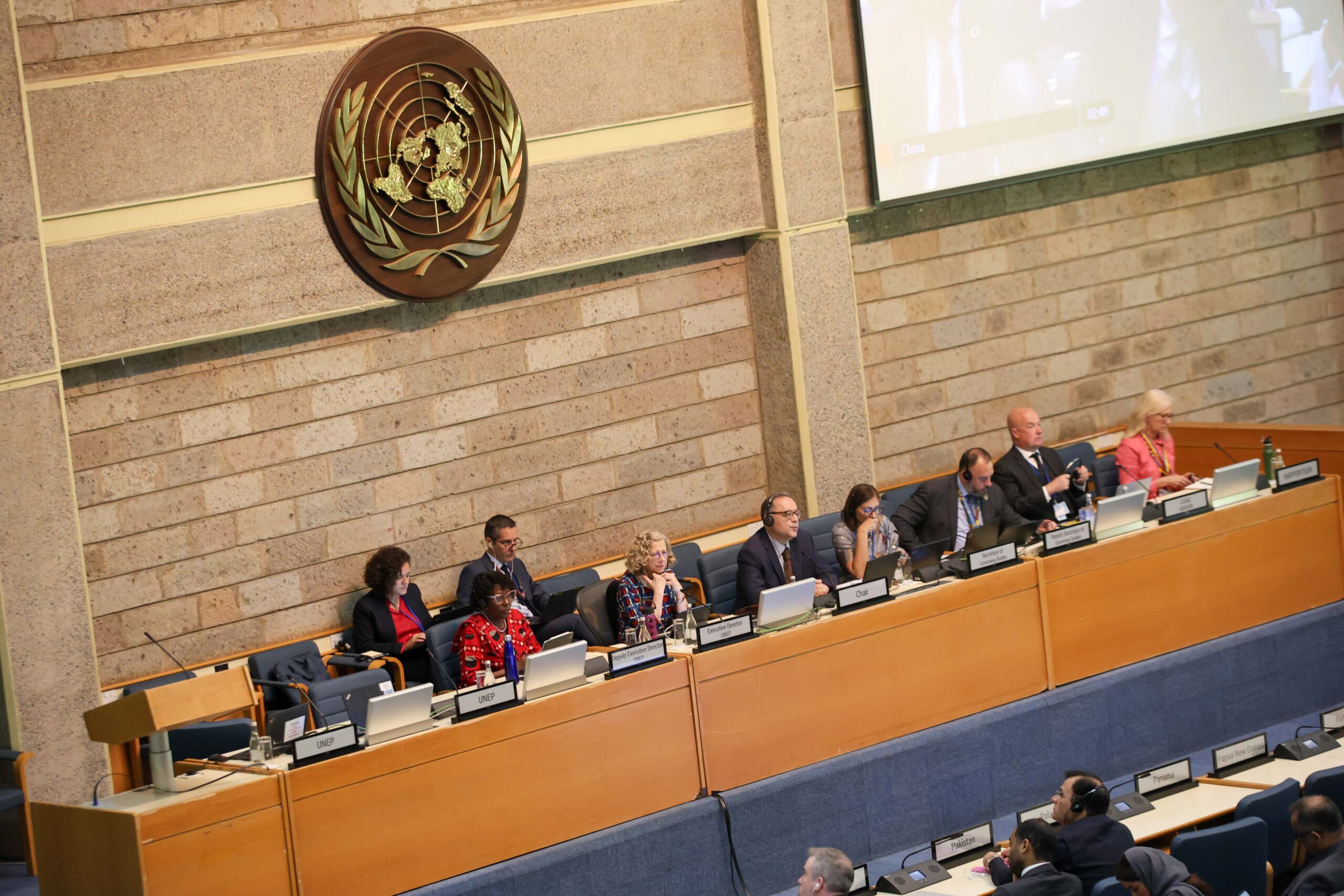
The Executive Director of the United Nations Environment Programme (UNEP), Inger Andersen, has called on member states to seize the moment and deliver “meaningful, impactful and implementable” resolutions as the seventh session of the Open-ended Committee of Permanent Representatives (OECPR-7) opened Monday in Nairobi, Kenya.
Addressing delegates at the opening plenary, Andersen described the committee as “the engine beneath the hood” of the United Nations Environment Assembly (UNEA), urging governments to use the week-long negotiations to build a strong foundation for UNEA-7, scheduled to be held later this year.
The UNEA-7 theme, “Advancing sustainable solutions for a resilient planet,” Andersen said, reflects the urgent need to strengthen action across the triple planetary crises of climate change, biodiversity loss, and pollution.
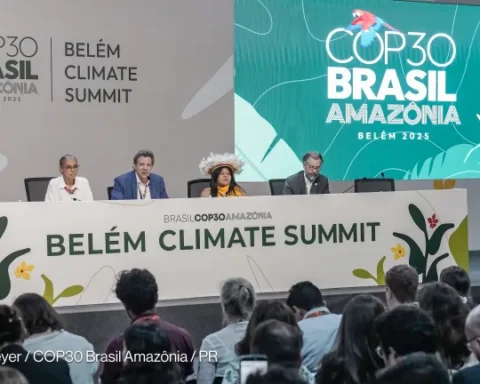
While acknowledging successes recorded in 2024, such as the entry into force of the BBNJ Agreement on marine biodiversity and progress during the Belém climate talks on adaptation finance and deforestation, Andersen warned that the world remains “off track” on key global environmental goals.
“This is a year in which we are proud of some advances,” she told the plenary. “But it is also a year the world remained behind on slowing climate change, tackling plastic pollution, halting nature loss, and addressing land degradation.”
For regions like Africa, where climate shocks, food insecurity, and environmental degradation continue to deepen poverty and displacement, UNEA-7 is expected to chart new pathways for resilience and sustainable transitions.
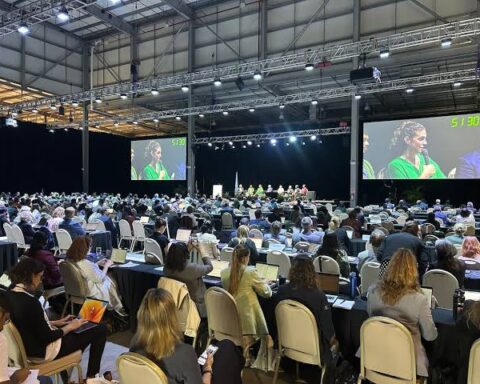
UNEP confirmed more than 5,000 registered participants from over 180 countries, including ministers, Indigenous Peoples, scientists, private sector leaders, youth groups, and heads of Multilateral Environmental Agreements (MEAs).
With over 100 events lined up ranging from circular economy dialogues to disaster risk reduction and just transition sessions—the gathering reinforces Nairobi’s status as “the strong, beating heart of environmental diplomacy,” Andersen said.
African negotiators, including representatives from Nigeria, are expected to push for greater alignment between global environmental commitments and national development needs.
Andersen praised member states for engaging in extensive informal consultations ahead of OECPR-7, resulting in what she called a “more mature” set of draft texts than in previous years.
A total of 18 draft resolutions and decisions will be negotiated during the session, covering artificial intelligence, minerals and metals governance, and emerging issues in the global hydrological cycle.
“These are areas where the world expects you to deliver real solutions,” the UNEP chief said, adding that youth delegates from the Youth Environment Assembly have already sent a resounding demand for urgent action.
She encouraged negotiators to transmit as many agreed texts as possible to UNEA-7 to avoid overloading the Assembly with last-minute tussles.
Andersen also reminded countries of the opportunity to host the global observance of World Environment Day (WED) in 2027 or 2028, describing the event as an avenue for nations to “showcase achievements, demonstrate leadership and gain global visibility.”
Nigeria last hosted WED in 1991, and environmental groups have repeatedly called for the country to bid again in light of its deepening climate challenges and ongoing environmental reforms.
Welcoming delegates from across the world, Andersen described Nairobi as the “environmental capital of the world” and urged them to approach the week’s work with cooperation and ambition.
“Even in times of geopolitical shifts and challenges to multilateralism,” she said, “your presence here demonstrates that global environmental action remains a shared priority.”
By Dare Akogun